




Sun Announces Partnership With GM's OnStar

Computer giant Sun Microsystems, Inc. has gotten its foot in the door as the automotive industry moves to incorporate consumer electronics and telematics. Sun's chairman and CEO, Scott McNealy, confirmed during a speech Monday at Convergence 2000 that it has joined with OnStar to bring more personalized services to OnStar customers. This is the first time Sun will produce products for use inside a vehicle. According to McNealy, Sun is seeking additional partnerships with other vehicle manufacturers. The software will be based on Java technology, the language developed by Sun Microsystems which is used for writing programs that can run on any computer system. OnStar, a subsidiary of General Motors Corporation, currently has about 400,000 subscribers and is expected to be offered in about a million GM vehicles by the end of this year. The automaker expects for that total to increase to 4 million by 2003. OnStar currently provides drivers with services such as emergency assistance and stolen-vehicle tracking. OnStar is available on more than half of GM's 2001 vehicles, and also on Toyota Motor Corp.'s 2001 Lexus and Honda Motor Co.'s 2002 Acura. General Motors said OnStar and Sun will ask for input from the industry to ensure that the software is available to all users, and the specifications will be released to the auto industry and standards organizations. Sun's McNealy definitely got the audience's attention when he suggested carmakers think about virtually giving away cars, similar to the way cellular companies give away phones, and then make profits off services for electronic devices included in the vehicles. "In our view, the automobile is nothing but a Java browser with wheels," McNealy told an attentive audience of about 500 conference attendees. Positioning Sun as an automotive supplier, McNealy pushed for the adoption of two in-vehicle network platforms to deliver mobile dashboard services and to monitor engine performance. One type would offer dashboard-based Internet services for motorists, such as GM's OnStar and Ford's Wingcast service. Through that platform, motorists could purchase gas, entertainment, and other concierge services from the road. The other type would be an in-vehicle network platform to manage the vehicle's internal powertrain, chassis and parts. The second system could notify drivers to service their vehicles and, for example, provide information to insurance companies about the last-clocked speed of a vehicle prior to a crash. The market for in-vehicle telematics systems is expected to reach $47 billion by 2010, according to one estimate from UBS Warburg market analyst Peter Boardman.
More Vehicle Insights
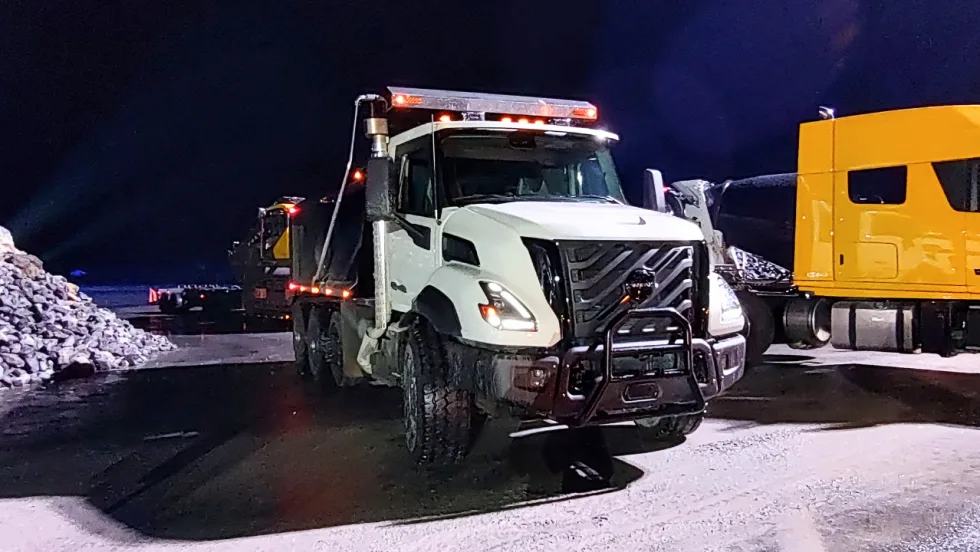
Volvo Unveils New VNX Vocational Truck & Off-Road Capable Tractor
Volvo Trucks has launched the VNX, a new vocational truck designed for on- and off-road use, and available in three variants. It is powered by the D13 platform, which delivers up to 540 horsepower and 1,950 pound-feet of torque and is EPA 2027 compliant.
Read More →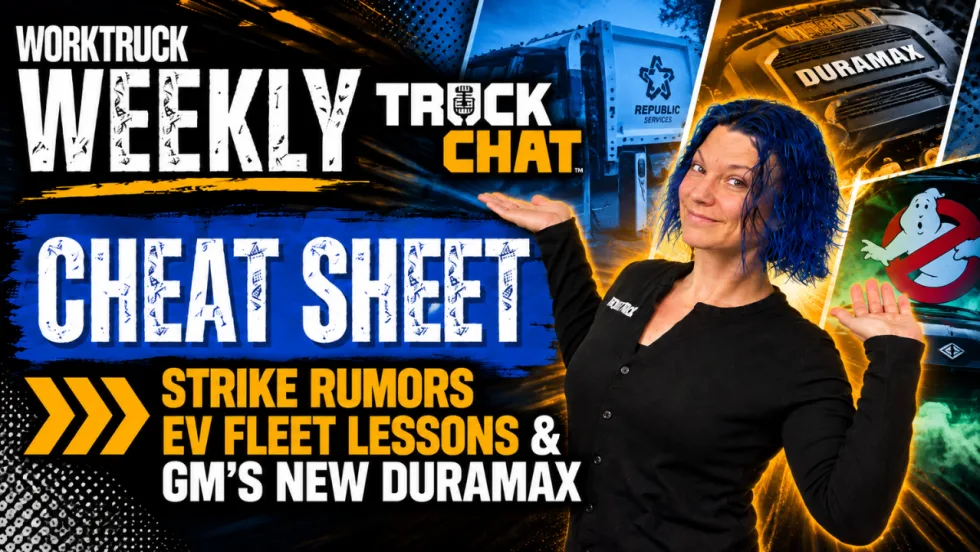
Truckers’ Strike Rumors, Electric Fleet Lessons, and GM’s New Duramax Lead This Week’s News
Truckers’ strike rumors, Republic Services’ electric fleet lessons, GM’s new 8.3L Duramax, van upfitting, Ford Pro used trucks, and more headline this week’s Truck Chat Cheat Sheet.
Read More →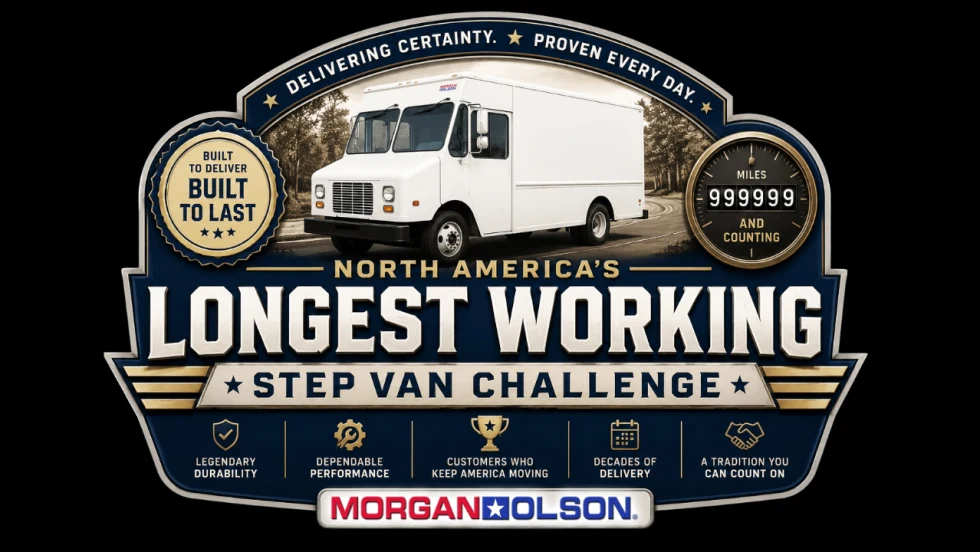
Morgan Olson Launches North America’s Longest Working Step Van Challenge
Morgan Olson has launched North America’s Longest Working Step Van Challenge, a new customer campaign to find the longest-working qualifying Morgan Olson or Grumman step van actively delivering packages for an independent service provider contracted by FedEx.
Read More →
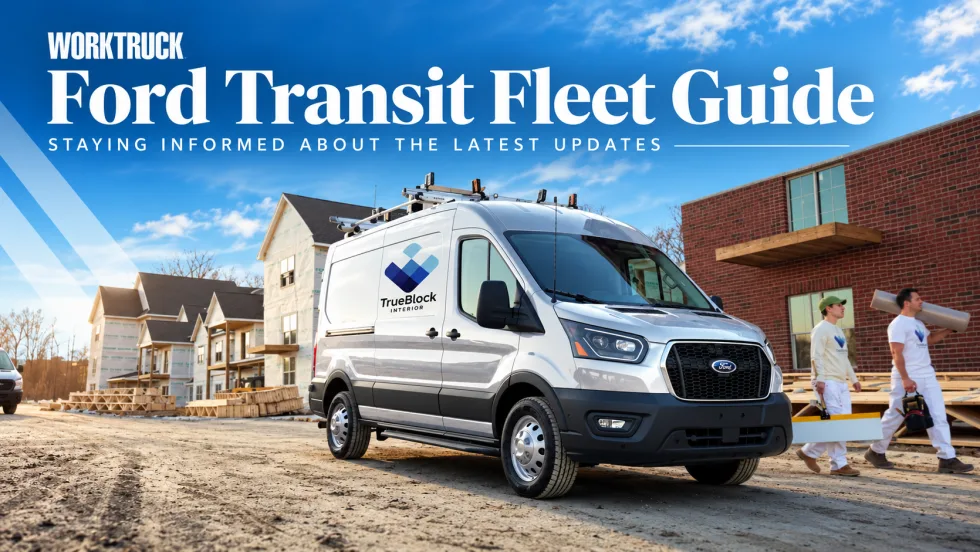
Ford Transit Fleet Guide Specs Capability and 2027 Model-Year Updates
Explore 2027 Ford Transit fleet specs, engines, payload and towing capability, cargo configurations, work features, technology, and model-year updates.
Read More →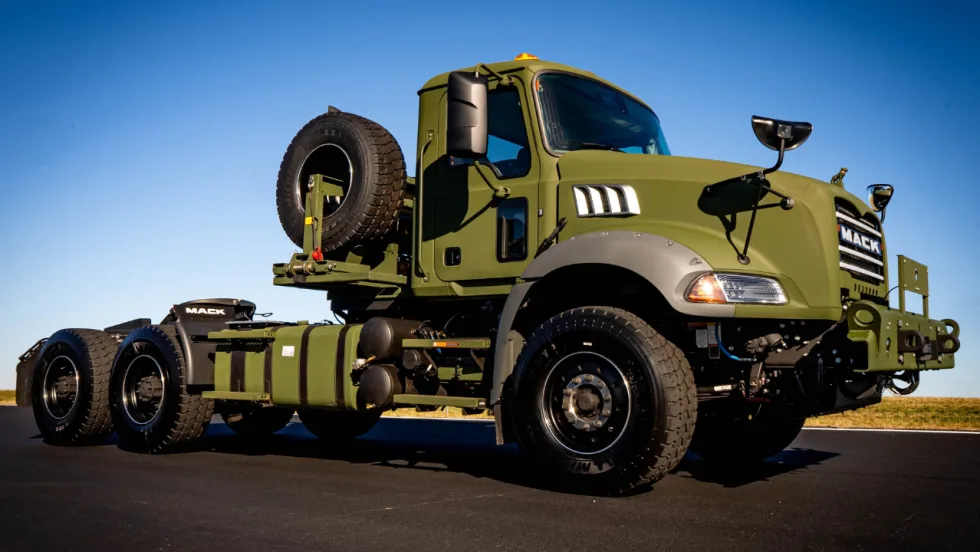
Mack Defense to Spotlight Common Tactical Truck Line Haul Hybrid Tractor During AUSA 2026
Mack Defense was awarded a contract to design, build, and deliver prototype vehicles for the U.S. Army’s Common Tactical Truck (CTT) program. It will show off its line-haul hybrid tractor prototype, based on the Mack Granite, at the 2026 United States Army (AUSA) Annual Meeting and Exposition.
Read More →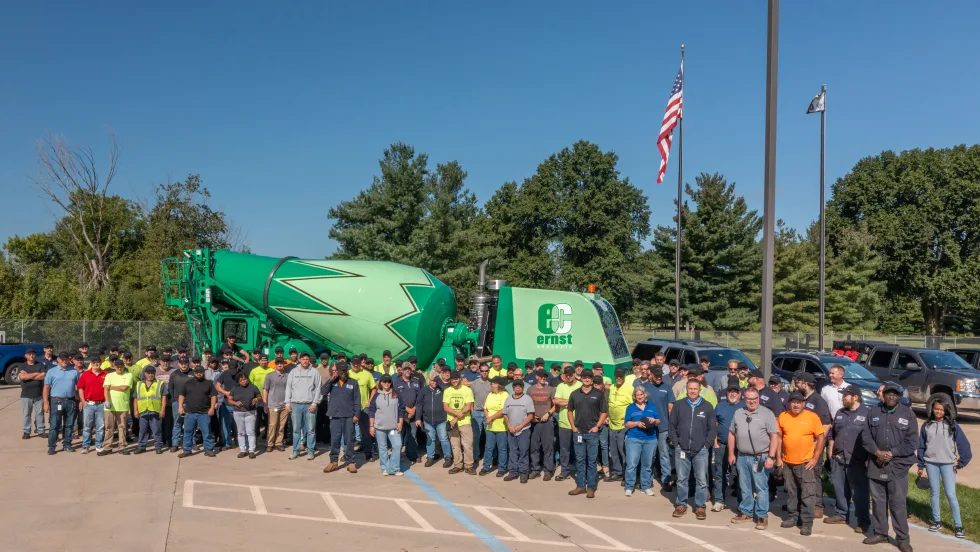
Advance Produces 20,000th Front-Discharge Mixer
Advance celebrated the production of its 20,000th front-discharge mixer, a Commander Series FD4000 mixer. Jack Willard first developed the original Rite-Way Truck in 1964, and then Advance was established in 1972.
Read More →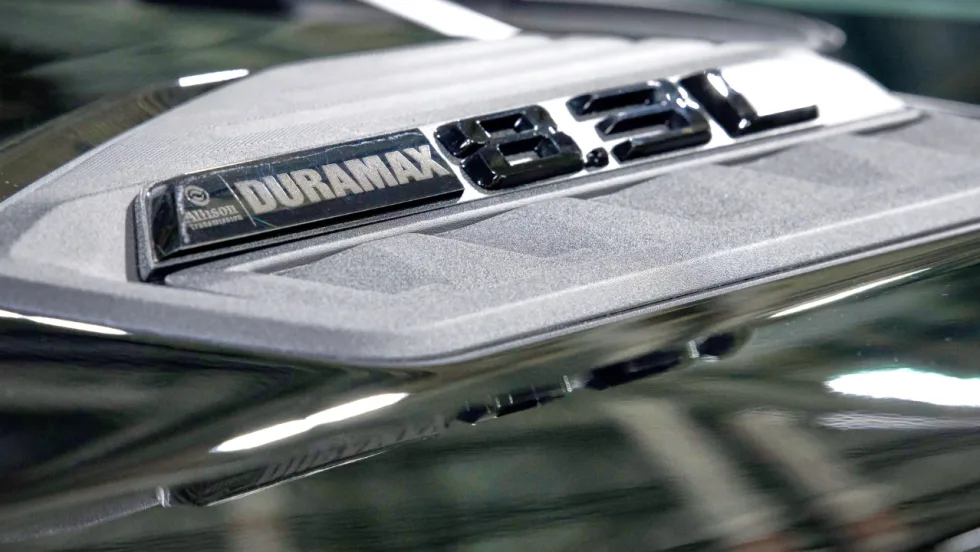
GM Launches Clean Sheet Duramax 8.3L Turbo-Diesel V8 for 2027 HD Pickups
General Motors previewed key updates for its 2027 HD pickup lineup, which will now include a new Duramax 8.3L Turbo-Diesel, electric power steering, and electronic brake boost.
Read More →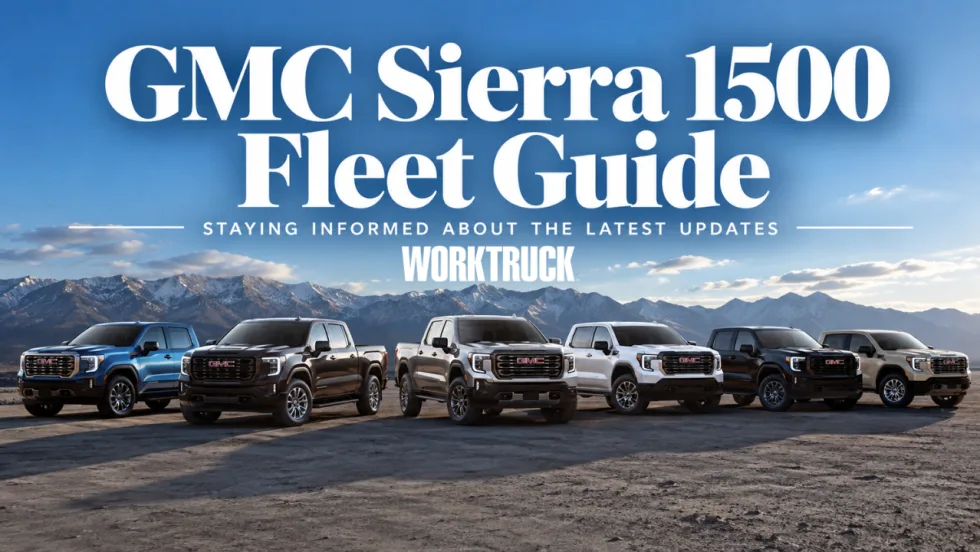
GMC Sierra 1500 Fleet Guide Specs Capability and 2027 Model-Year Updates
The next-generation 2027 GMC Sierra 1500 brings new V-8 engines, more standard safety technology, updated trailering tools, and a work-focused Pro trim. Here’s what fleets need to know.
Read More →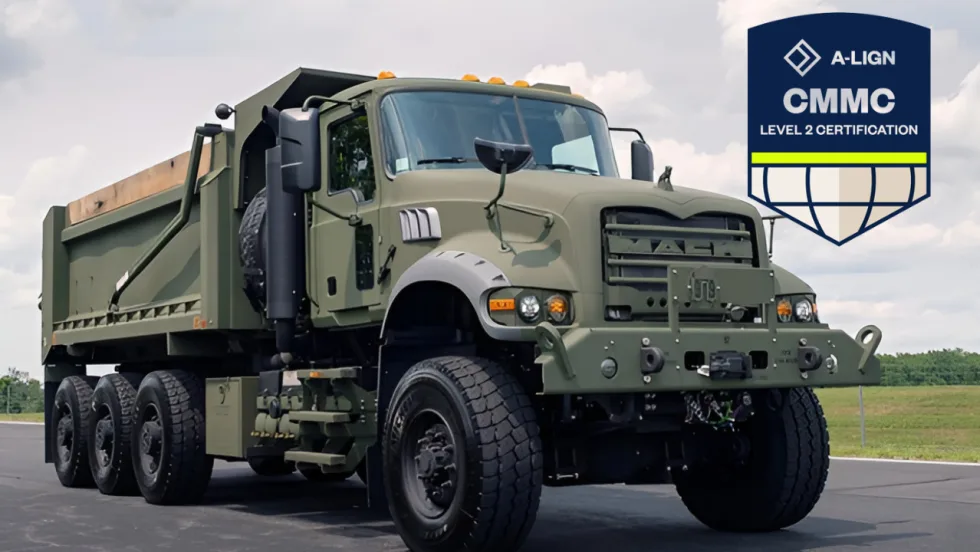
Mack Defense Achieves Cybersecurity Maturity Model Certification Level 2
After an assessment conducted by an authorized Certified Third-Party Assessment Organization (C3PAO), Mack Defense has achieved Cybersecurity Maturity Model Certification (CMMC) Level 2.
Read More →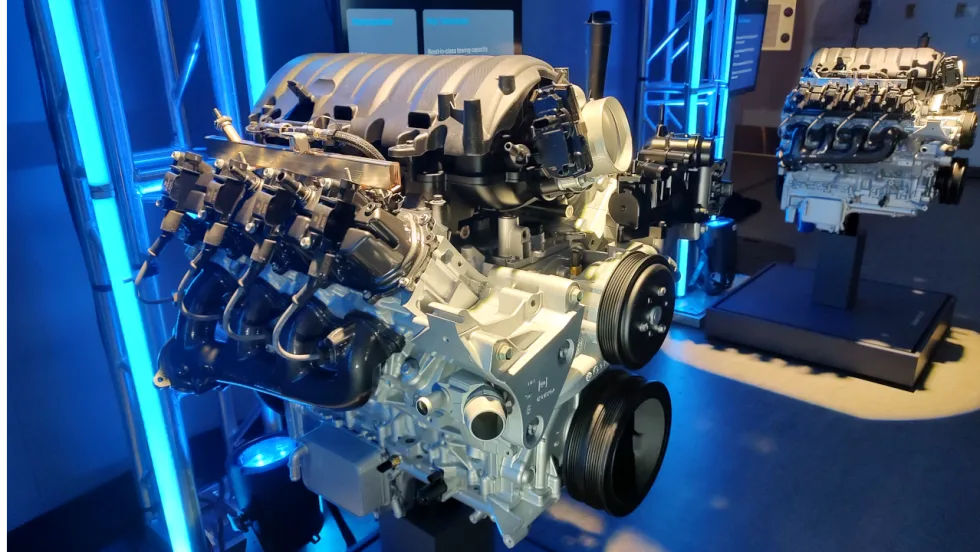
GM Unveils New Sixth-Generation Small Block Engines for 2027 Light-Duty Pickups
General Motors unveiled two new small-block engines, backed by extensive real-world validation and more than 70 years of small-block V8 manufacturing experience, as part of the engine portfolio for the 2027 Chevrolet Silverado 1500 and GMC Sierra 1500.
Read More →