




Study Ties Driver Falling History to Crash Risk
New research from the AAA Foundation for Traffic Safety finds that older drivers with a history of falling are 40% more likely to experience a vehicle collision.
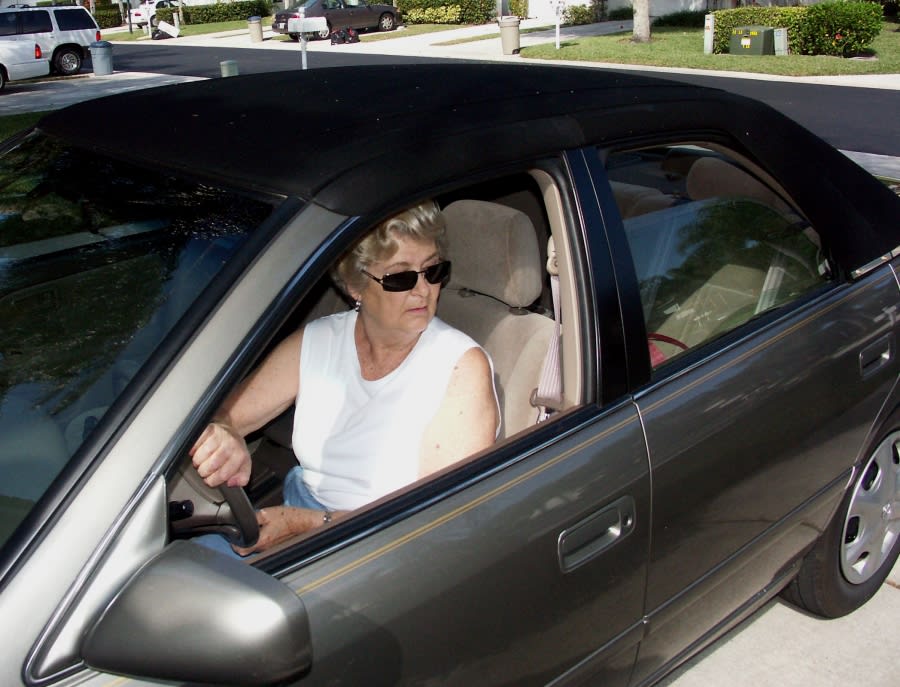
Photo courtesy of AAA Foundation for Traffic Safety.
Photo courtesy of AAA Foundation for Traffic Safety.
Older drivers with a history of falling are 40% more likely to be involved in crashes than their peers, according to a new study released by the AAA Foundation for Traffic Safety.
Falls limit older drivers’ ability to function behind the wheel and can make driving risky for themselves and others on the road, researchers found. Each year, about 12 million older adults experience a fall.
“Drivers age 60 and older are involved in more than 400,000 crashes each year, and it’s important that we find ways to keep them and others safe on the road,” said Peter Kissinger, president and CEO of the AAA Foundation for Traffic Safety. “This research is critical because it shows that we can now use an older driver’s fall history to identify if they are at greater risk for a crash.”
The report, “Associations Between Falls and Driving Outcomes in Older Adults,” is the latest research released as part of the organization’s Longitudinal Research on Aging Drivers (LongROAD) project.
Researchers from the University of Colorado Anschutz Medical Campus along with the AAA Foundation for Traffic Safety discovered that falls can increase crash risk in two distinct ways.
First, falls can result in a loss of functional ability — for example, wrist fractures or a broken leg — which can make it difficult for older drivers to steer or brake to avoid a crash. Second, falls can increase an individual’s fear of falling, which can lead to a decrease in physical activity that weakens driving skills.
“Falls often scare people into being less active, but decreasing physical activity can weaken muscles and coordination and make someone more likely to be in a crash,” said Anita Lorz Villagrana,” Automobile Club of Southern California’s community programs and traffic safety manager. “As a leading advocate for senior driver safety, AAA offers a variety of programs and resources to help older drivers assess and improve their driving performance and to help avoid crashes.”
The research suggests that falls represent a possible early indicator of declining physical fitness. Addressing the health issues that originally led to the fall — such as lower body weakness, poor balance, slow reaction time, medication side effects, dizziness or vision problems — can help older drivers strengthen their functional ability and lower their future risk for crashing or experiencing another fall.
“Older drivers should find activities that enhance balance, strengthen muscles and promote flexibility,” Lorz Villagrana said. “Even a low-impact fitness training program or driver improvement course can help safely extend an older driver’s years on the road.”
AAA recommends a series of exercises and stretches to improve neck, shoulder, trunk, back and overall body flexibility, which can help a driver who has suffered from a recent fall.
Originally posted on Automotive Fleet
More Small Fleet


Developing Budget-Friendly Driver Safety Programs
From driver training and safety meetings to one-on-one coaching and incentive programs, several small fleets share how they have developed a safety culture with their drivers using low- to no-cost resources.
Read More →
Boosting Last-Mile Fleet Uptime, Safety, and Value with AI Vehicle Inspections
AI-powered inspections are transforming last-mile fleets by replacing manual checks with highly accurate automated scans that detect defects in seconds. By giving fleet operations visibility into the daily condition of their vehicles, you can identify trends over the vehicle’s lifecycle that enable improved procurement decisions, route management, driver training and accountability.
Read More →

Five Ways Seat Belts Help Prevent Injuries
There are five ways seat belts protect occupants from injuries, according to the Tennessee Department of Safety and Homeland Security.
Read More →
Basic Tracking vs Next Generation Fleet Technology
Fleet software is getting more sophisticated and effective than ever, tying big data models together to transform maintenance, safety, and the value of your existing tech stack. Fleet technology upgrades are undoubtedly an investment, but updated technology can offer a much higher return. Read how upgrading your fleet technology can increase the return on your investment.
Read More →
It’s here: The 2026 Fleet Technology Trends Report
What does AI mean for fleets? Get the answer — and learn other top tech trends.
Read More →
Small Fleets, Big Impact: How Independent Drivers Power Wreaths Across America
Check out how small fleets and independent drivers power Wreaths Across America each December and why their impact matters more than ever.
Read More →
VMS Survey Finds 65% of Small Fleet Managers Run Operations Alone
A new VMS survey shows small fleet managers are stretched thin, with most handling operations solo and eager to adopt digital tools for relief.
Read More →
Tips for Driving Safely on Halloween Night
This video features a reminder from the Connecticut Department of Transportation (DOT) and the Connecticut Police Chiefs Association, urging drivers to prioritize safety this Halloween.
Read More →
AI, Access, and Uptime: VMS’s Next Chapter with David Prusinski
VMS’s new Co-CEO, David Prusinski, shares how an AI-first approach will give small fleets and repair shops the tools to compete like big players.
Read More →