




Study of 8 Million Calls Reveals That OnStar Is Safe: GM
A study conducted as part of General Motors' "SenseAble driving" program (a $10 million, multi-year effort to address driver distraction), reveals that the embedded cellular phone used in GM's OnStar system has had an outstanding safety performance record since it was initiated five years ago, according to General Motors. GM calls the study "the world's first analysis of a database that has extensive and actual - not estimated - information about whether a crash occurred at the same time a cell phone was in use." This database, maintained by GM's OnStar subsidiary, consists of automated information with time stamps that show exactly when a cell phone voice call was initiated and when the OnStar Advisor was in contact with a vehicle after an airbag deployment. In keeping with OnStar's privacy policy, no personally identifiable information was made available to researchers. Previous studies that have attempted to associate cell phone use with crashes - including a 1997 University of Toronto report - could use only small statistical samples and estimates of when calls were made in relation to a crash, according to GM. Using the actual OnStar data, the GM study concludes that an air bag deployment crash associated with the use of OnStar's embedded phone system was rare, and that the chance an embedded cell phone actually caused a crash was even more rare. During only two of the 8.1 million embedded cell phone calls placed to an OnStar Call Center advisor from October 1996 (when OnStar was introduced) through May 2000 was a driver known to be on the phone at the time of a crash severe enough to deploy the vehicle's air bags, according to GM. "There is no evidence that the calls actively contributed to the crashes; in fact, an examination of underlying records indicated that there were other factors at play in both crashes," GM said in a press release. In six other cases, in adopting the same kind of research methodology used in the University of Toronto study, it was determined that the driver was on the phone within 10 minutes before a crash that deployed the air bags. Again, there was no evidence to suggest that the calls were related to the subsequent crashes, according to GM. The OnStar/"SenseAble driving" study was conducted by Richard A. Young, Ph.D., a GM staff research scientist. Young presented his findings to a group of fellow human factors scientists last week in Colorado. The study covered only embedded cell phone calls placed from OnStar-equipped GM vehicles to an OnStar advisor. In addition, only crashes in which the air bag deployed, resulting in an automatic phone call to the OnStar Call Center, were examined. "We already knew from our research and thousands of customers' testimonials that OnStar enhances vehicle safety and security," said Chet Huber, president of OnStar, in announcing the findings. "This study confirms that our customers can safely use the embedded cell phone technology of OnStar. From the beginning, OnStar's unique three-button system was designed with safety as a priority." About OnStar OnStar, a wholly owned GM subsidiary, is a provider of in-vehicle safety, security and information services completely integrated into the vehicle. OnStar uses the Global Positioning System (GPS) satellite network and cellular technology to link vehicle and driver to the OnStar Center. OnStar is currently available in 1.5 million vehicles representing 36 of GM's 54 brands. About General Motors GM says it has led the industry in the effort to study and address driver distraction. "SenseAble driving," a three-pronged safety initiative combining research, education and technology, was launched in October 2000. Aside from its research initiative, GM says it was the world's first and only automaker to establish a set of common-sense "guiding principles" to govern the design and use of telematics technology in its vehicles. In addition, GM has established a pilot program with the Michigan Secretary of State's office to educate drivers about the risks of distracted driving with brochures, posters and a video that are being offered to vehicle registrars' offices nationwide. Another part of the education initiative is GM's Driver Distraction Demonstration (D3), a fun, interactive computer exercise that shows users first-hand the risks of multi-tasking while driving and the need to make sensible choices. D3, as well as other information on "SenseAble driving," can be found at www.sensabledriving.com and www.gmability.com.
More Small Fleet


Developing Budget-Friendly Driver Safety Programs
From driver training and safety meetings to one-on-one coaching and incentive programs, several small fleets share how they have developed a safety culture with their drivers using low- to no-cost resources.
Read More →
Boosting Last-Mile Fleet Uptime, Safety, and Value with AI Vehicle Inspections
AI-powered inspections are transforming last-mile fleets by replacing manual checks with highly accurate automated scans that detect defects in seconds. By giving fleet operations visibility into the daily condition of their vehicles, you can identify trends over the vehicle’s lifecycle that enable improved procurement decisions, route management, driver training and accountability.
Read More →
Five Ways Seat Belts Help Prevent Injuries
There are five ways seat belts protect occupants from injuries, according to the Tennessee Department of Safety and Homeland Security.
Read More →
It’s here: The 2026 Fleet Technology Trends Report
What does AI mean for fleets? Get the answer — and learn other top tech trends.
Read More →
Small Fleets, Big Impact: How Independent Drivers Power Wreaths Across America
Check out how small fleets and independent drivers power Wreaths Across America each December and why their impact matters more than ever.
Read More →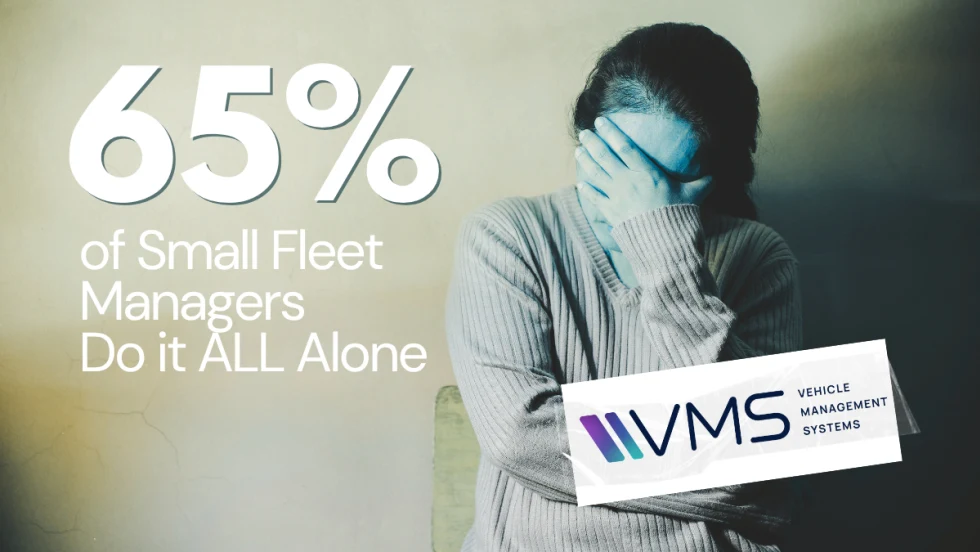
VMS Survey Finds 65% of Small Fleet Managers Run Operations Alone
A new VMS survey shows small fleet managers are stretched thin, with most handling operations solo and eager to adopt digital tools for relief.
Read More →
Tips for Driving Safely on Halloween Night
This video features a reminder from the Connecticut Department of Transportation (DOT) and the Connecticut Police Chiefs Association, urging drivers to prioritize safety this Halloween.
Read More →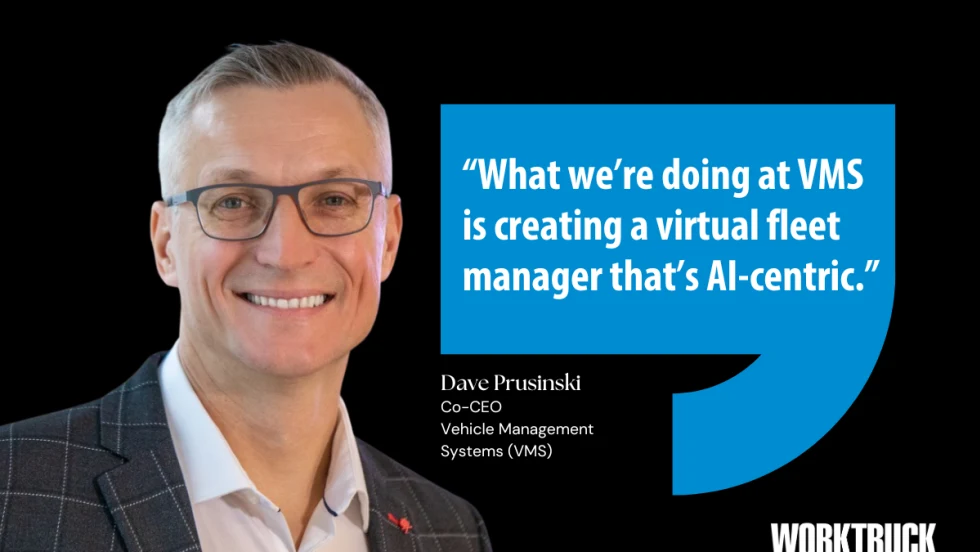
AI, Access, and Uptime: VMS’s Next Chapter with David Prusinski
VMS’s new Co-CEO, David Prusinski, shares how an AI-first approach will give small fleets and repair shops the tools to compete like big players.
Read More →
Fleet Managers Share Winter Prep Tips: It's Never Too Early!
Three fleets share best practices to prep vehicles for winter and prevent downtime when the cold sets in.
Read More →