




Study Finds Traffic Congestion Bad and Getting Worse
The average driver wastes 51 hours a year stuck in traffic, says a study of 2001 federal highway data released Sept. 30 by the Texas Transportation Institute at Texas A&M University. That's an hour more than a year before and a four-hour increase over five years, according to a USA Today story by Debbie Howlett. The study also shows highways are congested an average of seven hours a day, up from 4.5 hours in 1982, the first year of the study, USA Today said. "Congestion extends to more time of the day, more roads, affects more of the travel and creates more travel time than in the past," the study said. Los Angeles heads the list of most congested cities in the study, in what won't be a surprise for Southern California commuters. The average 25-minute commute in Los Angeles stretches to 43 minutes during periods of congestion, meaning drivers spend about 90 hours a year stuck in traffic. Next, in order, are San Francisco, Denver, Miami, Chicago and Phoenix. The problem is not limited to urban centers. Drivers in Orlando, Sacramento and Austin, Texas, lose more time in traffic than do New York City drivers, who spend an extra 43 hours yearly in travel time, the study shows. "Congestion is getting worse in cities of all sizes," said Tim Lomax, a co-author of the annual study. The cost of all this congestion amounts to $69.5 billion in wasted time and gas, the study says. That equals $520 a year for the average driver. Critics of the study have complained that it oversimplifies the issue of congestion by using federal data on traffic volume and equating increased volume with increased travel time, according to USA Today. Washington state dropped its support for the study two years ago because it didn't factor in measures such as metered freeway entrance ramps, the national newspaper said. The red light-green light meters regulate traffic flow during high-traffic periods to prevent delays. Nor did the study include commuters who used public transportation, a flaw cited by the Surface Transportation Policy Project, a transportation lobbying group, according to USA Today. Lomax said the study used a more sophisticated analysis this year that factors in public transportation and measures such as metered ramps. The effect was to shuffle rankings of the most congested cities, without affecting year-to-year comparisons by statistically significant margins. Los Angeles rose to the top, and Seattle fell from second last year to 12th this year. New York, consistently in the top 10, dropped to 24th. Anne Canby, president of the Surface Transportation Policy Project, applauded the new analysis. "The effect of public transportation would seem clear," Lomax said, according to USA Today. But buses and subways are only part of the answer, Lomax said. The study says 2,875 miles of new lanes on freeways and arterial roads are needed to ease congestion.
More Small Fleet

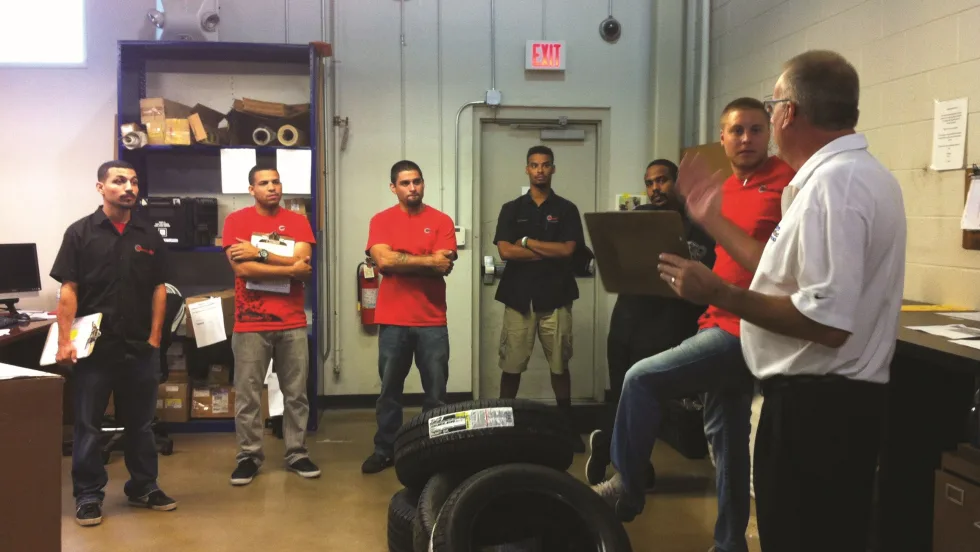
Developing Budget-Friendly Driver Safety Programs
From driver training and safety meetings to one-on-one coaching and incentive programs, several small fleets share how they have developed a safety culture with their drivers using low- to no-cost resources.
Read More →
Boosting Last-Mile Fleet Uptime, Safety, and Value with AI Vehicle Inspections
AI-powered inspections are transforming last-mile fleets by replacing manual checks with highly accurate automated scans that detect defects in seconds. By giving fleet operations visibility into the daily condition of their vehicles, you can identify trends over the vehicle’s lifecycle that enable improved procurement decisions, route management, driver training and accountability.
Read More →
Five Ways Seat Belts Help Prevent Injuries
There are five ways seat belts protect occupants from injuries, according to the Tennessee Department of Safety and Homeland Security.
Read More →
It’s here: The 2026 Fleet Technology Trends Report
What does AI mean for fleets? Get the answer — and learn other top tech trends.
Read More →
Small Fleets, Big Impact: How Independent Drivers Power Wreaths Across America
Check out how small fleets and independent drivers power Wreaths Across America each December and why their impact matters more than ever.
Read More →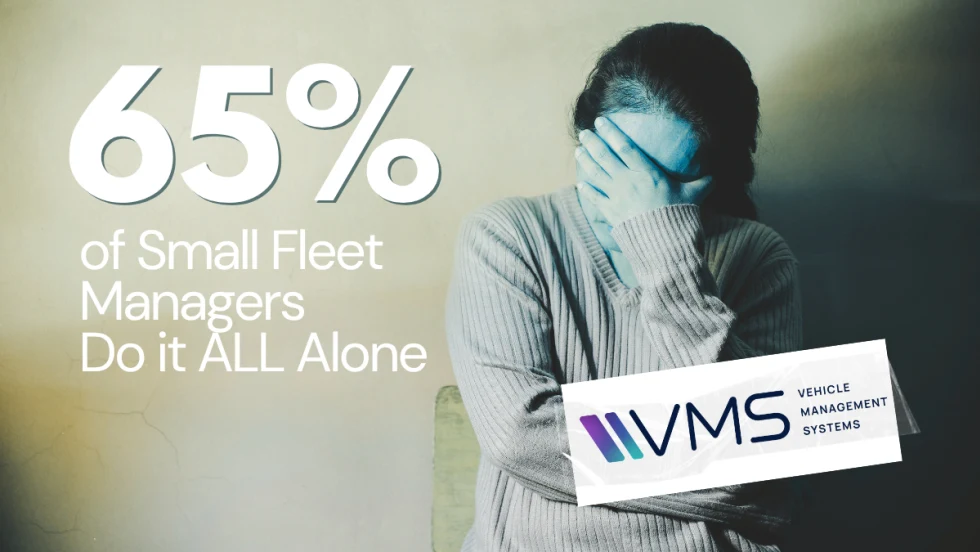
VMS Survey Finds 65% of Small Fleet Managers Run Operations Alone
A new VMS survey shows small fleet managers are stretched thin, with most handling operations solo and eager to adopt digital tools for relief.
Read More →
Tips for Driving Safely on Halloween Night
This video features a reminder from the Connecticut Department of Transportation (DOT) and the Connecticut Police Chiefs Association, urging drivers to prioritize safety this Halloween.
Read More →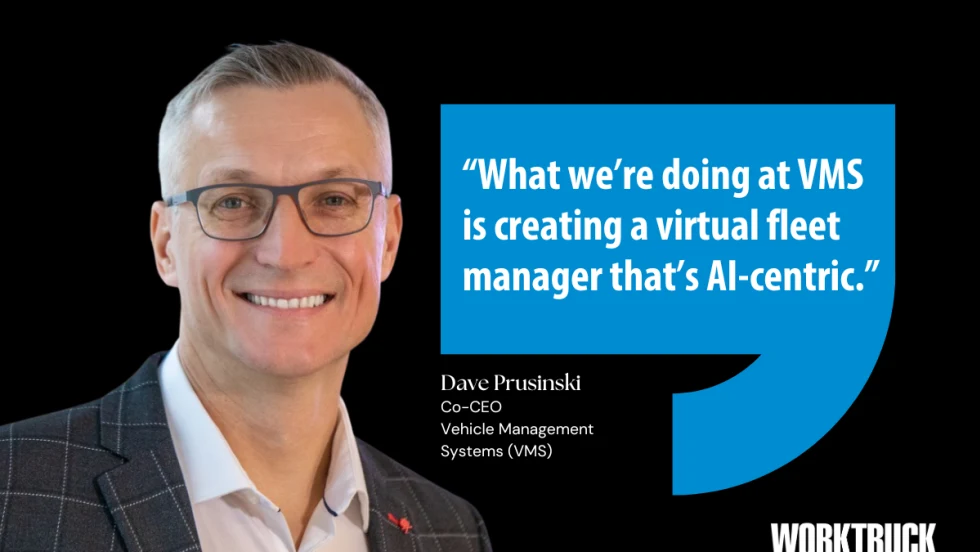
AI, Access, and Uptime: VMS’s Next Chapter with David Prusinski
VMS’s new Co-CEO, David Prusinski, shares how an AI-first approach will give small fleets and repair shops the tools to compete like big players.
Read More →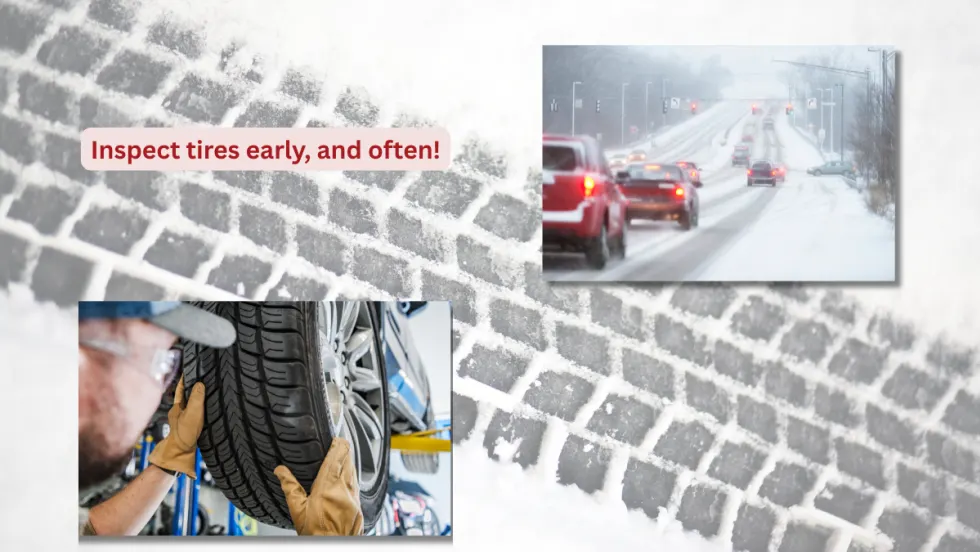
Fleet Managers Share Winter Prep Tips: It's Never Too Early!
Three fleets share best practices to prep vehicles for winter and prevent downtime when the cold sets in.
Read More →