




Study: Airbags Pose Risk to Teens
A new study warns that the explosive force of airbags pose a risk to children up to age 14 when seated in the front seat. In contrast, airbags had a protective effect for teens aged 15-18.
A new study warns that the explosive force of airbags pose a risk to children up to age 14 when seated in the front seat, according to a June 6 CNN/Money report and Scripps Howard News Service. The study, which was produced by researchers at Oregon Health & Science University, analyzed 3,790 accident reports that involved children ages 18 years and younger seated in the front seat. The information came from a nationally representative database of police reports on crashes over an eight-year period maintained by the National Highway Traffic Safety Administration. The agency reports that more than 150 children through age 11 have died from air-bag injuries as of mid-2004, but information on teens has been sparse. In contrast, airbags had a protective effect for teens aged 15-18. And the study showed that age may be a better indicator of risk from air-bag injury than height or weight. Dr. Roger Lewis, a co-author of the study, told Scripps Howard that he believed that physical attributes of teenagers, such as a lack of bone density and muscle mass, may explain the risks that air bags pose to younger teens.
More Small Fleet


Developing Budget-Friendly Driver Safety Programs
From driver training and safety meetings to one-on-one coaching and incentive programs, several small fleets share how they have developed a safety culture with their drivers using low- to no-cost resources.
Read More →
Boosting Last-Mile Fleet Uptime, Safety, and Value with AI Vehicle Inspections
AI-powered inspections are transforming last-mile fleets by replacing manual checks with highly accurate automated scans that detect defects in seconds. By giving fleet operations visibility into the daily condition of their vehicles, you can identify trends over the vehicle’s lifecycle that enable improved procurement decisions, route management, driver training and accountability.
Read More →
Five Ways Seat Belts Help Prevent Injuries
There are five ways seat belts protect occupants from injuries, according to the Tennessee Department of Safety and Homeland Security.
Read More →
It’s here: The 2026 Fleet Technology Trends Report
What does AI mean for fleets? Get the answer — and learn other top tech trends.
Read More →
Small Fleets, Big Impact: How Independent Drivers Power Wreaths Across America
Check out how small fleets and independent drivers power Wreaths Across America each December and why their impact matters more than ever.
Read More →
VMS Survey Finds 65% of Small Fleet Managers Run Operations Alone
A new VMS survey shows small fleet managers are stretched thin, with most handling operations solo and eager to adopt digital tools for relief.
Read More →
Tips for Driving Safely on Halloween Night
This video features a reminder from the Connecticut Department of Transportation (DOT) and the Connecticut Police Chiefs Association, urging drivers to prioritize safety this Halloween.
Read More →
AI, Access, and Uptime: VMS’s Next Chapter with David Prusinski
VMS’s new Co-CEO, David Prusinski, shares how an AI-first approach will give small fleets and repair shops the tools to compete like big players.
Read More →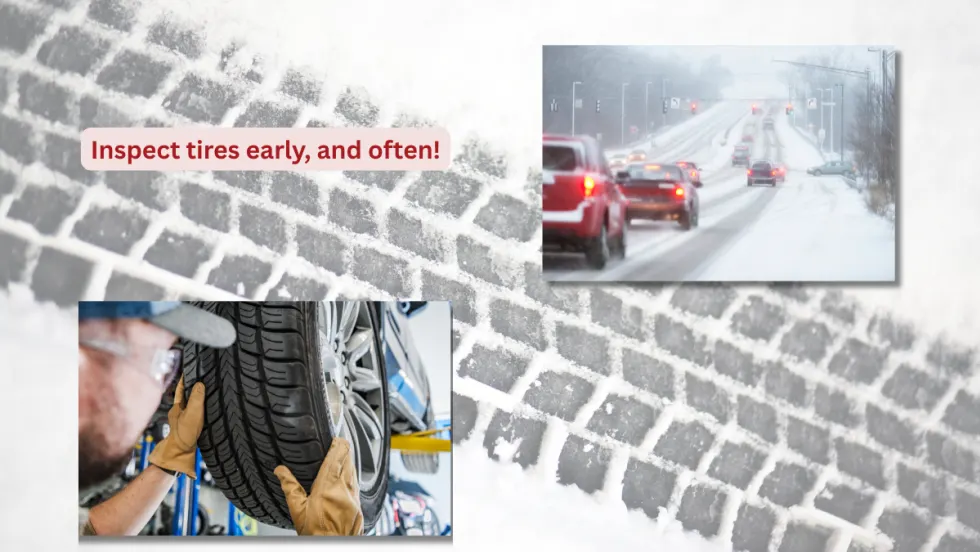
Fleet Managers Share Winter Prep Tips: It's Never Too Early!
Three fleets share best practices to prep vehicles for winter and prevent downtime when the cold sets in.
Read More →