




Snap-On Discusses How to Choose a Floor Jack
KENOSHA, WI - To make the proper floor jack choice, you must first consider the vehicles that you will be working on.
KENOSHA, WI - When there are many different types of floor jacks to choose from, how do you know which one is right for you? Is there any one product that will meet your needs?
To make the proper floor jack choice, you must first consider the vehicles that you will be working on. Are they pickup trucks with oversize tires and lift kits, or heavy duty trucks? Do you work on performance vehicles and street tuners that are low to the ground? How about everyday tire service and grocery-getters? Floor jacks come in a variety of designs, so making the choice starts with identifying your needs and then selecting a jack that meets the criteria.
For heavy-duty trucks, such as a bread delivery van or a pickup truck with big tires and a lift kit, choose a floor jack that has higher tonnage and lift range. The long-chassis service jacks are designed to handle heavier loads and higher than normal lift points. For example, the 4-ton and 10-ton floor jacks can lift up to 25-plus inches, giving you added lifting height required with these vehicles. They also have an additional feature that helps you lift higher loads with minimal effort. Some of these jacks have air assist that eliminates high effort pumping; instead using an air cylinder to do the heavy work for you.
Performance vehicles and street tuners are a unique category since most of these cars are lower to the ground than the average automobile. Typically, the aluminum floor jack has improved access designed specifically for these vehicles, and therefore, can reach under some of the most wild body kits and suspension upgrades. Another added benefit with aluminum floor jacks is that they are lighter, making them easier to move around the garage.
For the rest of the vehicles on the road, a standard floor jack that provides versatility for a number of applications is the best choice. Heavier than the aluminum category, they provide the application range from subcompacts to light trucks. These jack designs are typically found in most automotive repair shops and tire shops. They are the workhorses of the floor jack world and represent a majority of the floor jacks in service today.
When considering the right floor jack for you, it is also important to think about jack stands. Jack stands come in a variety of sizes and shapes. Not only do the stands provide an added element of safety, but they also provide additional stability under the vehicle so you are able to do your work effectively. The heavier the load is, the wider the base and saddle is to accommodate these applications. Smaller, lighter jack stands are designed for smaller vehicles. It is important to also note that when you are selecting a jack stand, the load rating is stated for use in pairs. For example, a 6-ton rating is 3-tons each. As a pair, they offer 6-tons of load-bearing capacity when used together.
For more information, contact: Sara Scarlato at (262) 656-5350 or sara.scarlato@snapon.com
More Maintenance
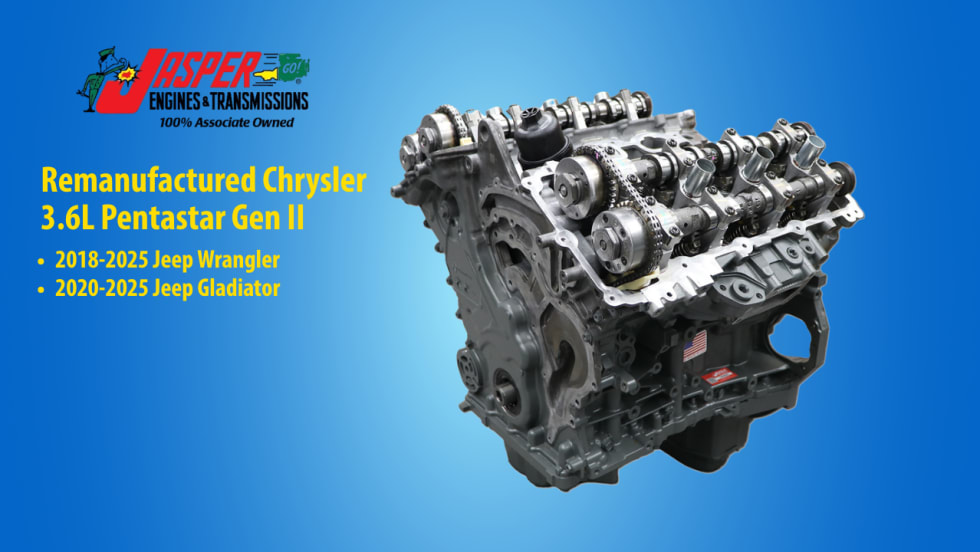
Jasper Expands Chrysler 3.6L Pentastar Gen II Engine Availability
Jasper Engines & Transmissions now has expanded availability of the Chrysler 3.6L Pentastar Gen II engine for the 2018-2025 Jeep Wrangler and the 2020-2025 Jeep Gladiator.
Read More →
Coltrain Onsite Fleet Care Launches SHIELD, a Purpose-Built Field Service Application
As Coltrain Onsite marks its first year of operations, having grown to more than 100 team members across 14 states, the company is launching SHIELD, its proprietary field service application designed to set a new standard for quality in mobile fleet maintenance.
Read More →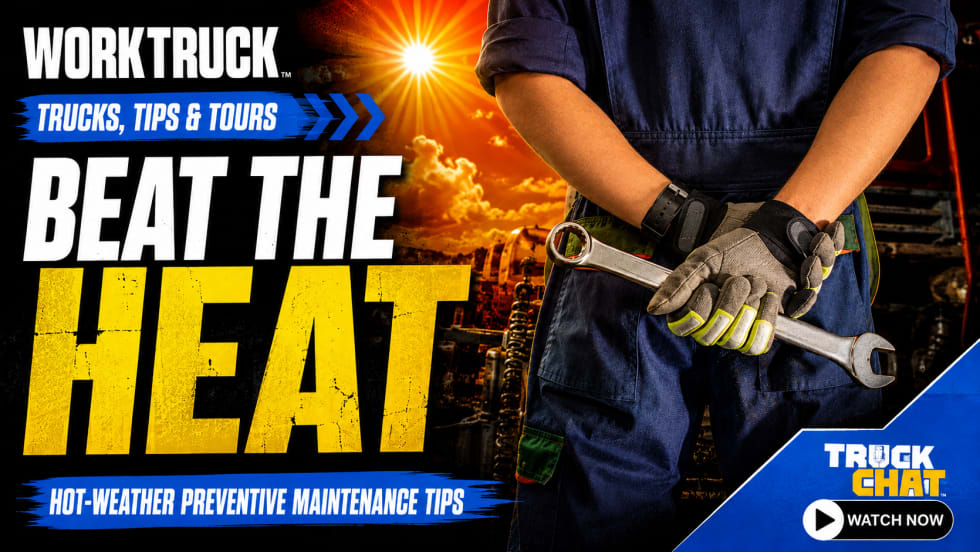
Preparing Your Fleet for Extreme Heat
Hot weather puts extra stress on commercial vehicles. In this video, Mike Hagaman of Cox Fleet shares simple maintenance steps that can help fleets avoid costly downtime.
Read More →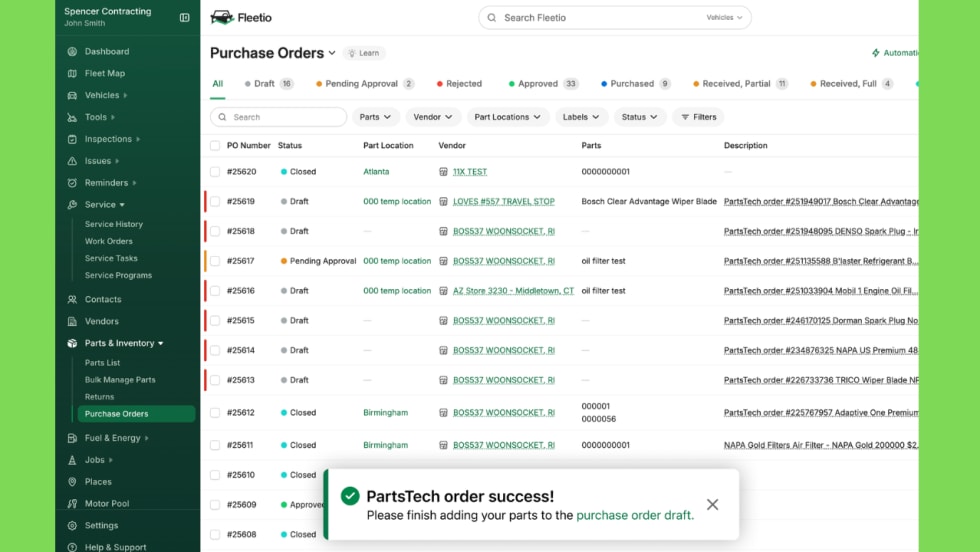
Fleetio Launches PartsTech Integration, Potentially Helping Fleets Save up to 15 Minutes on Each Purchase Order
Fleetio’s integration with PartsTech brings parts sourcing and ordering into a single connected Fleetio workflow, reducing administrative work and potentially saving users up to 15 minutes per purchase order.
Read More →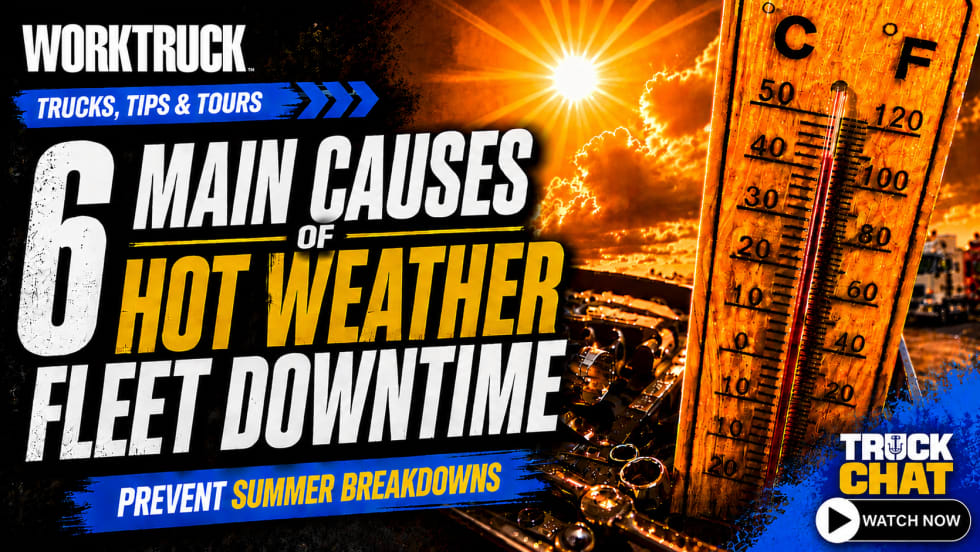
6 Main Causes of Hot-Weather Fleet Downtime
Summer heat can lead to costly fleet downtime. In this video, Mike Hagaman of Cox Fleet explains the six key systems fleets should inspect and maintain to help prevent roadside breakdowns.
Read More →
ASE Connects’ Back-to-School Giveaway: Schools Can Win Tools and Prizes from Snap-on
As part of a back-to-school giveaway, ASE Connects and Snap-on will provide four schools with prizes, including three $250 Snap-on gift cards and a grand prize of a Snap-on cart and tool set valued at over $11,000.
Read More →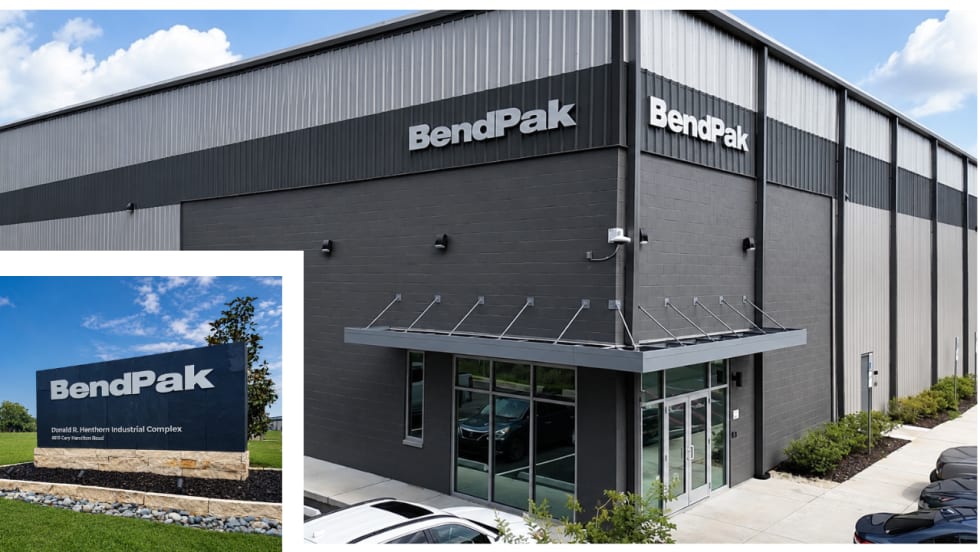
BendPak Opens Donald R. Henthorn Industrial Complex in Alabama
BendPak has completed Phase 1 of construction of the Donald R. Henthorn Industrial Complex, which includes a new logistics and distribution center. The complex is situated on 33 acres near BendPak’s existing East Coast campus in Mobile County, Alabama.
Read More →
As Maintenance Costs Rise, Some Work Trucks and Vans Cost Thousands Less to Maintain
Maintenance costs are still climbing, but some 2026 pickups and cargo vans could save fleets thousands per vehicle. The real surprise is not just how much they cost to maintain, but how often they need to leave the road.
Read More →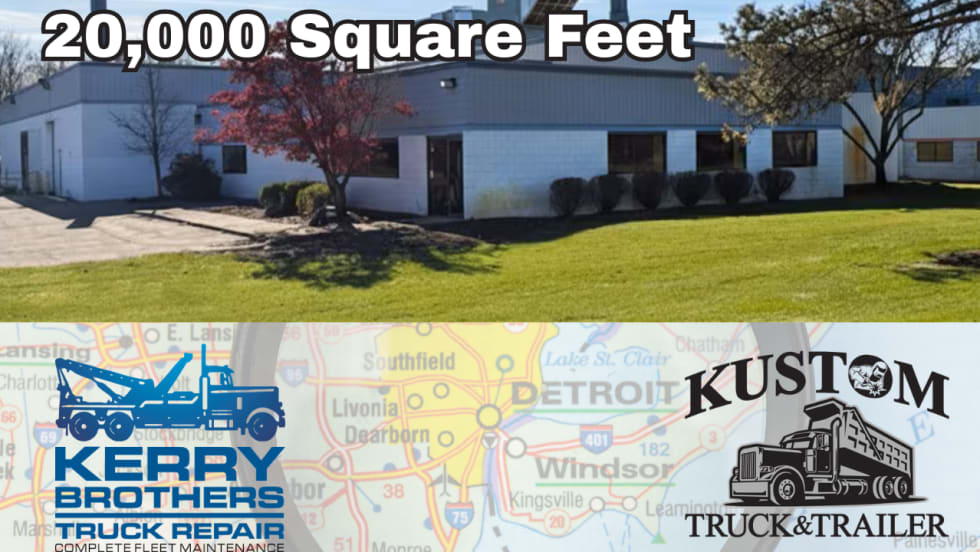
Kerry Brothers Truck Repair Expands Rapidly Across Southeast Michigan with 3 Acquisitions and New Wixom Facility
Acquisitions of Kustom Truck & Trailer, Vehicle Clinic and Downriver Truck and Bus, along with a new 20,000-square-foot Wixom facility, extend Kerry Brothers’ footprint east, south, west and north across the greater Detroit region.
Read More →
Kooner Fleet Management Solutions Named Fleetio Premier Partner
Fleetio has named Kooner Fleet Management Solutions as a Premier Partner within Fleetio’s Maintenance Shop Network. As a Fleetio Premier Partner, Kooner's designation reflects its commitment to delivering reliable maintenance services and supporting fleets through high-quality service.
Read More →