




Shift Workers Three Times More Susceptible to Crashing
Lack of sleep results in slower reaction time, poor coordination, and less ability to pay attention.

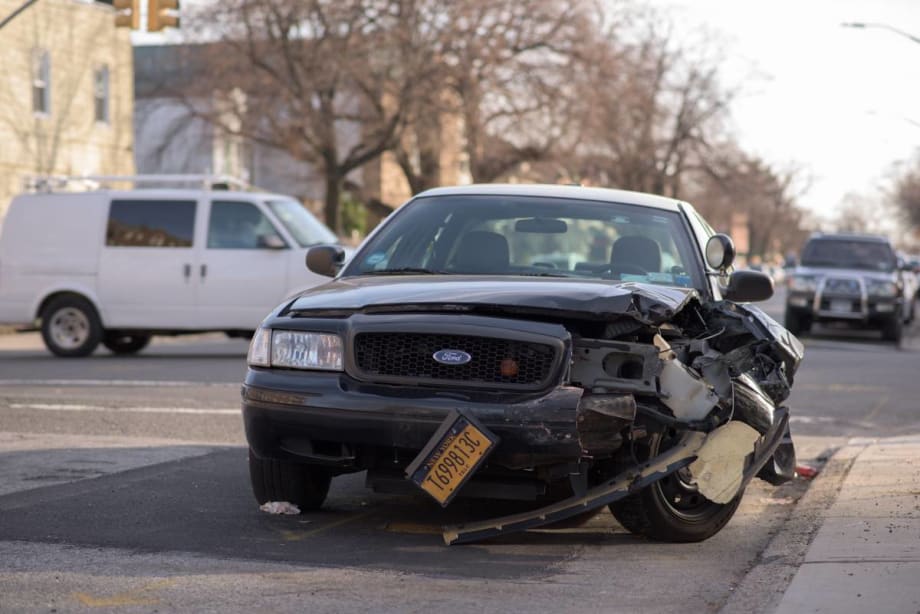
Drowsy-driving crashes are particularly high for shift workers due to disruption of their natural sleep patterns.
Photo: unsplash / Michael Jin
Shift work sleep disorder (SWSD) increases the likelihood of having a collision by a staggering 300% as compared to insomnia and sleep apnea which both up the odds by about 30%, according to new research from the University of Missouri.
A chronic medical condition, many people who work non-traditional hours like 11 pm to 7 am suffer from shift SWSD. The latest findings indicate that these people — including fleet drivers who work the graveyard shift — are exceptionally vulnerable to drowsy driving.
Drowsy-driving crashes are particularly high for shift workers due to disruption of their natural sleep pattern, according to the study. While driving, lack of sleep results in slower reaction time, poor coordination, and less ability to pay attention.
What’s more, older drivers with SWSD are at an even greater risk. The study showed that those over age 65 with SWSD are 5.89 times more likely to be involved in a crash or near-crash. In comparison, drivers between ages of 25 and 44 with SWSD were 2.42 times more likely to be involved in a crash or near-crash.
The study also found that individuals with any sleep disorder are 29% more likely to be inattentive while behind the wheel as compared to drivers without a sleep disorder.
The authors say the study results point to a real need for counter measures aimed at preventing these crashes. For example, solutions might include the availability of more highway rest areas as well as roadside and in-vehicle messaging to improve a driver’s attention and focus.
The methodology of this study sets it apart because the research team evaluated real-world data. Most previous studies on drowsy driving were conducted in a controlled environment, like a laboratory driving simulator.
Conversely, this latest analysis was based on actual observed crash and near-crash data from an estimated 2,000 events across six states.
The authors say the real-world crash data validates the efforts of previous studies while also accounting for confounding variables such as roadway and traffic characteristics.
Nearly 700 people lost their lives in drowsy driving crashes in 2019 alone, according to the National Traffic Highway Safety Administration.
Originally posted on Automotive Fleet
More Small Fleet


Developing Budget-Friendly Driver Safety Programs
From driver training and safety meetings to one-on-one coaching and incentive programs, several small fleets share how they have developed a safety culture with their drivers using low- to no-cost resources.
Read More →
Boosting Last-Mile Fleet Uptime, Safety, and Value with AI Vehicle Inspections
AI-powered inspections are transforming last-mile fleets by replacing manual checks with highly accurate automated scans that detect defects in seconds. By giving fleet operations visibility into the daily condition of their vehicles, you can identify trends over the vehicle’s lifecycle that enable improved procurement decisions, route management, driver training and accountability.
Read More →
Five Ways Seat Belts Help Prevent Injuries
There are five ways seat belts protect occupants from injuries, according to the Tennessee Department of Safety and Homeland Security.
Read More →
It’s here: The 2026 Fleet Technology Trends Report
What does AI mean for fleets? Get the answer — and learn other top tech trends.
Read More →
Small Fleets, Big Impact: How Independent Drivers Power Wreaths Across America
Check out how small fleets and independent drivers power Wreaths Across America each December and why their impact matters more than ever.
Read More →
VMS Survey Finds 65% of Small Fleet Managers Run Operations Alone
A new VMS survey shows small fleet managers are stretched thin, with most handling operations solo and eager to adopt digital tools for relief.
Read More →
Tips for Driving Safely on Halloween Night
This video features a reminder from the Connecticut Department of Transportation (DOT) and the Connecticut Police Chiefs Association, urging drivers to prioritize safety this Halloween.
Read More →
AI, Access, and Uptime: VMS’s Next Chapter with David Prusinski
VMS’s new Co-CEO, David Prusinski, shares how an AI-first approach will give small fleets and repair shops the tools to compete like big players.
Read More →
Fleet Managers Share Winter Prep Tips: It's Never Too Early!
Three fleets share best practices to prep vehicles for winter and prevent downtime when the cold sets in.
Read More →