




Related News: A Cleaner, Less Costly Way to Electrification
SEA Electric Proves Depot-Based Renewable Power Plant Strategy
Australian zero-emissions truck manufacturer SEA Electric has turned to rooftop solar power for its Melbourne assembly facility, with the installation of a 100kW solar power system.
by Automotive Staff
November 8, 2021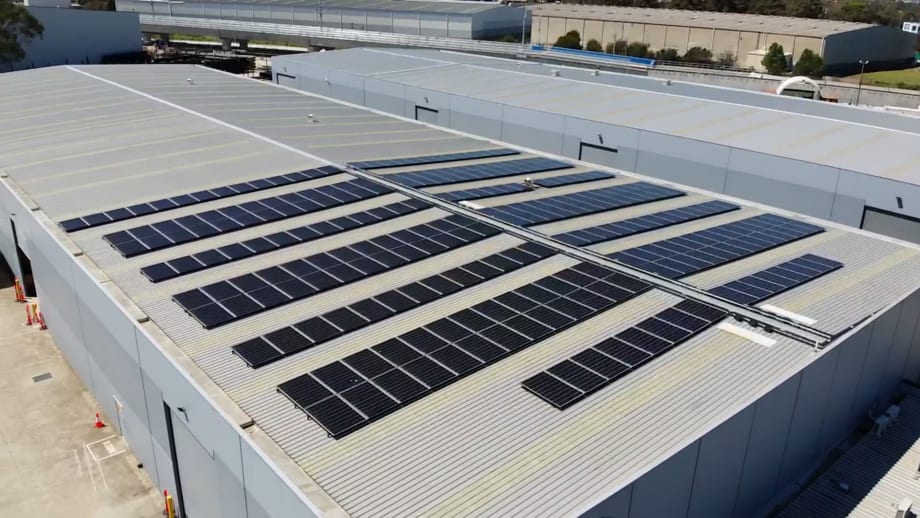
SEA Electric’s Melbourne facility is now powered purely by rooftop solar.
[EMPTY CREDIT]
3 min to read
Featuring an array of 250 x 400W solar panels, the system is currently tracking at 90% carbon positive, having produced 24MWH of energy to date.
“Here at SEA Electric, we are proud to be leading the charge to eliminate CO2 emissions through our range of all-electric trucks; the next logical step has been to run our manufacturing facility purely on solar power,” said Glen Walker, SEA Electric Vice President – Asia Pacific.
“Electricity generation and transport are the two biggest producers of carbon dioxide in Australia, so all-electric transport powered by renewable energy makes a lot of sense moving forward.
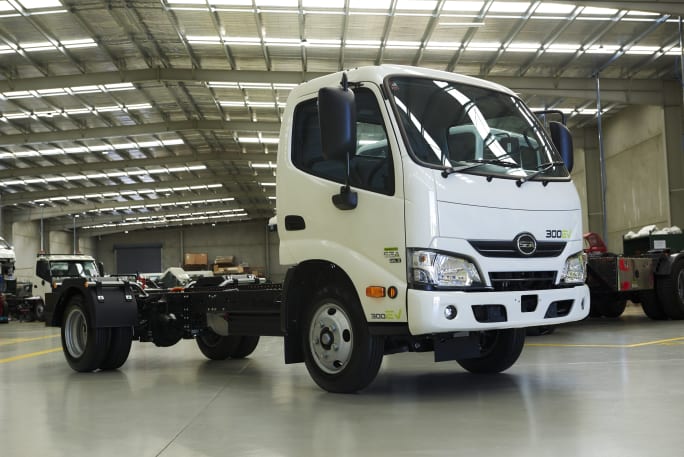
“For new SEA Electric owners, making the switch to zero-emissions logistics eliminates diesel consumption and lowers maintenance costs, with fewer moving parts requiring less ongoing servicing.
[EMPTY CREDIT]
“The SEA Electric range provides financial advantages for daily use over conventional trucks, even if charged by power supplied from the grid.”
Electric vehicles are only one aspect of the new energy ecosystem, with the vehicles having the ability to provide energy storage opportunities, which in the future will pave the way to further power grid stability and flexibility.
The Founder and CEO of SEA Electric, Tony Fairweather, has first-hand insight regarding the deployment of large-scale electric-powered fleets in the USA.
“Many of these large fleets utilise their vehicles for less than half of a 24 hour day; the balance is spent in depot yards, where rooftop solar panels can generate ample power supply to fully charge their batteries,” said Mr Fairweather.
“Consider a future transport depot to be a nationally networked, renewable power plant, not only charging fleets but also offering excess stored energy back into the power grid, possibly supported by additional on-site battery storage.
“While Moss Landing in California houses the world’s largest and most expensive battery storage facility, SEA Electric plans to deploy more battery capacity in 2024 than that entire facility.
"Essentially it is mobile and readily available storage ‘on wheels’.
“With Australia now agreeing to achieve net-zero emissions by 2050 at the recent UN Climate Change Conference (COP26), look no further than networked depot power plants to contribute substantially to achieving this critical milestone.
"Generations to come are depending on it.”
Further details on the SEA Electric range and its national dealer network can be found at sea-electric.com/en_au.
About SEA Electric
SEA Electric is an Australian-based company with North American facilities in Torrance, Calif., that specializes in the assembly and 100% electrification of commercial vehicles worldwide. Dealing directly with vehicle users and working alongside automotive OEM's, SEA Electric supplies and licences patented technology. SEA Electric was founded in 2013. After four years of product development and testing, SEA Electric launched its commercial operations in early 2017, triggered by the reduction in battery kWh pricing, allowing for commercial feasibility in offering electric drivetrains to the global market.
Originally posted on Automotive Fleet
More Small Fleet


Developing Budget-Friendly Driver Safety Programs
From driver training and safety meetings to one-on-one coaching and incentive programs, several small fleets share how they have developed a safety culture with their drivers using low- to no-cost resources.
Read More →
Sponsored•March 9, 2026
Boosting Last-Mile Fleet Uptime, Safety, and Value with AI Vehicle Inspections
AI-powered inspections are transforming last-mile fleets by replacing manual checks with highly accurate automated scans that detect defects in seconds. By giving fleet operations visibility into the daily condition of their vehicles, you can identify trends over the vehicle’s lifecycle that enable improved procurement decisions, route management, driver training and accountability.
Read More →
Five Ways Seat Belts Help Prevent Injuries
There are five ways seat belts protect occupants from injuries, according to the Tennessee Department of Safety and Homeland Security.
Read More →
Sponsored•January 14, 2026
It’s here: The 2026 Fleet Technology Trends Report
What does AI mean for fleets? Get the answer — and learn other top tech trends.
Read More →
Small Fleets, Big Impact: How Independent Drivers Power Wreaths Across America
Check out how small fleets and independent drivers power Wreaths Across America each December and why their impact matters more than ever.
Read More →
VMS Survey Finds 65% of Small Fleet Managers Run Operations Alone
A new VMS survey shows small fleet managers are stretched thin, with most handling operations solo and eager to adopt digital tools for relief.
Read More →
Tips for Driving Safely on Halloween Night
This video features a reminder from the Connecticut Department of Transportation (DOT) and the Connecticut Police Chiefs Association, urging drivers to prioritize safety this Halloween.
Read More →
AI, Access, and Uptime: VMS’s Next Chapter with David Prusinski
VMS’s new Co-CEO, David Prusinski, shares how an AI-first approach will give small fleets and repair shops the tools to compete like big players.
Read More →
Fleet Managers Share Winter Prep Tips: It's Never Too Early!
Three fleets share best practices to prep vehicles for winter and prevent downtime when the cold sets in.
Read More →