




Scout Motors Announces In-Vehicle Satellite Connectivity
Scout Motors Inc. will makes its debut at CES 2025 in Las Vegas. Its concept vehicles, the Scout Traveler sport utility vehicle (SUV) and Scout Terra truck, will be on display at the show for the first time.
January 3, 2025

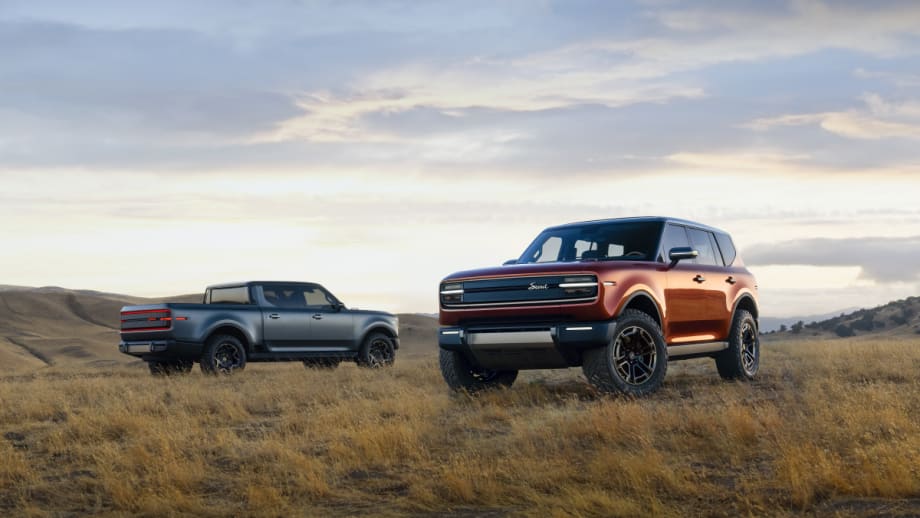
The Scout Traveler sport utility vehicle (SUV) and Scout Terra truck, will be on display at CES in Las Vegas for the first time.
Photo: Scout Motors
3 min to read
Scout Motors Inc., an American startup automotive company, will makes its debut at CES 2025 in Las Vegas. Its concept vehicles, the Scout Traveler sport utility vehicle (SUV) and Scout Terra truck, will be on display at the show for the first time.
“To make a true Scout vehicle meant we had to listen and design a versatile tool for today,” said Scott Keogh, President and CEO, Scout Motors. “We’re pairing powerful, state-of-the-art software and in-vehicle satellite connectivity with a community-focused user interface to make our customers’ driving and ownership experience enjoyable and convenient.”
Adding In-vehicle Satellite Connectivity
To add the capability and features of these vehicles, Scout Motors announces available in-vehicle satellite connectivity for both the Scout Traveler SUV and Scout Terra truck models.
For peace of mind when off the grid or traveling in rural areas without cell service, to using your vehicle as a Wi-Fi hotspot for your home, worksite or campsite, the available in-vehicle satellite connectivity is one more way Scout Motors is developing a true Connection Machine.
More than 70% of Scout Motors’ research clinic respondents said in-vehicle satellite connectivity was important and they would be interested in an in-vehicle satellite internet option. Scout Traveler SUVs and Scout Terra trucks with in-vehicle satellite connectivity will be pre-wired from the factory for the satellite Wi-Fi feature.
The vehicle hotspot is intended to have broad reach to help fleet drivers and passengers stay connected in and around their vehicle.
The Scout Traveler SUV on display at CES has been updated to imagine the possibilities with features and accessories buyers can choose for their own Scout vehicle including the Harvester Extended Range Electric Vehicle (EREV) option, an added roof rack with forward lighting and space for a satellite antenna, Rallye graphics, and spare-tire-mounted, five-gallon gas can for peace of mind during off-the-grid adventures.
Scout Motors Community UX
Scout vehicle designers employed a thoughtful, customer-focused process for designing the user experience for the Traveler SUV and Terra truck.
“We listened to our customers and created an experience that’s intuitive, versatile, and uniquely Scout,” said Chris Benjamin, Scout Motors Chief Design Officer. “Our Community UX is grounded, warm, and approachable, yet it’s innovative and modern, offering everything drivers need without overwhelming their experience.”
The Community UX interface is setting a new benchmark for human-centered design in Scout vehicles. The system will deliver a seamless integration of intuitive technology, tactile controls, responsiveness, and adaptable design, creating a connected experience for drivers and passengers alike.
With the right balance of touch and tech, the Community UX interface redefines the relationship between physical and digital controls, blending thoughtfully placed tactile buttons, knobs, and hardware with highly responsive screens. This approach provides drivers with the right control at the right time and ensures that essential features are always within reach.
From HVAC adjustments to vehicle settings, quick access controls utilize familiar gestures, such as a swipe-down interface, to offer an instinctive, smartphone-like experience. It’s a helpful companion for every journey, according to Scout Motors.
Designed for safety and security, simplicity, and comfort, Scout vehicles prioritize safety and usability through thoughtful ergonomics. A 16.2-inch, 24:9 ratio screen aligns with the dashboard for better visibility, reducing blind spots, and enhancing readability. Larger icons, clear layouts, and generous touch areas ensure a low-effort interaction for both drivers and passengers.
Physical and digital controls work in harmony, helping drivers stay focused on the road while maintaining control of key features. Blending heritage with ingenuity, Community UX reflects the Scout brand’s bold legacy and innovative spirit.
By pairing modern technology with authentic, tactile interactions, it becomes more than just a user interface, it’s a connection machine that builds bonds between the driver, vehicle, and the land around them.
More Vehicle Research
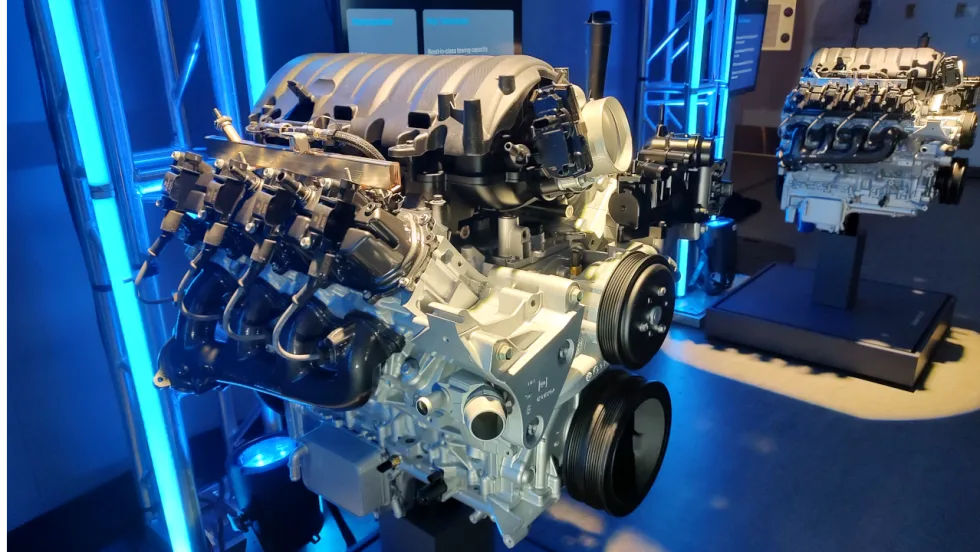
GM Unveils New Sixth-Generation Small Block Engines for 2027 Light-Duty Pickups
General Motors unveiled two new small-block engines, backed by extensive real-world validation and more than 70 years of small-block V8 manufacturing experience, as part of the engine portfolio for the 2027 Chevrolet Silverado 1500 and GMC Sierra 1500.
Read More →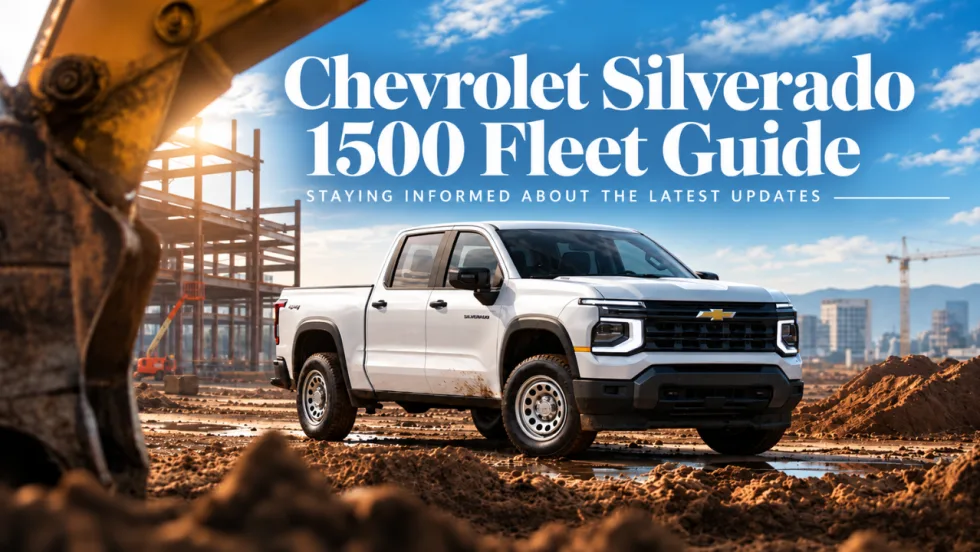
Chevrolet Silverado 1500 Fleet Guide Specs Capability and 2027 Model-Year Updates
The next-generation 2027 Chevrolet Silverado 1500 brings new V-8 engines, updated technology, expanded safety features, and a fleet-focused Work Truck. Here’s what commercial fleets need to know so far.
Read More →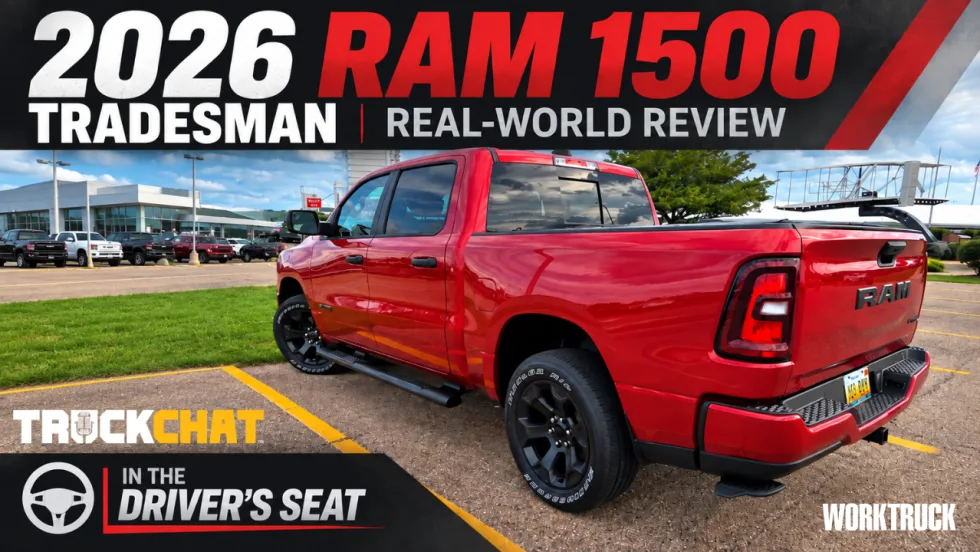
2026 Ram 1500 Tradesman Put to a Real-World Fleet Test
A few days behind the wheel of a 2026 Ram 1500 Tradesman turned into a test of visibility, parking, work-ready features, and even severe-weather driving.
Read More →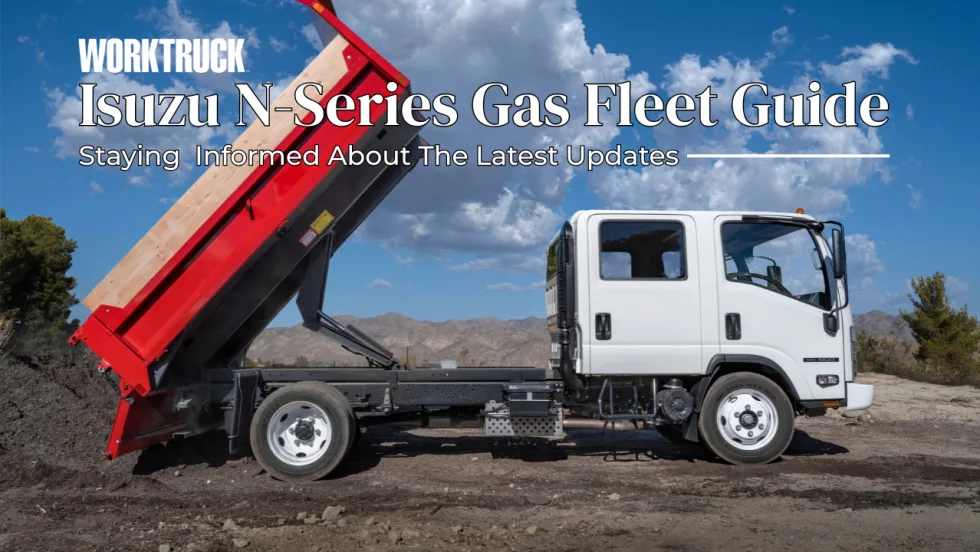
Isuzu N-Series Gas Fleet Guide: Specs, Capability and 2027 Model-Year Updates
Explore Isuzu Truck North America’s N-Series Gas fleet specs, engine performance, GVWR and payload capability, configurations, chassis dimensions, work-focused features, and 2027 model-year information.
Read More →
Ram ProMaster City Fleet Guide Specs Cargo Capacity and 2027 Updates
Work Truck’s Ram ProMaster City Fleet Guide tracks the latest specifications, cargo capability, configurations, fleet technology, pricing, and model-year updates for Ram’s mid-size commercial van.
Read More →
Ford F-150 Fleet Guide Specs Capability and 2026 Model-Year Updates
Explore 2026 Ford F-150 fleet specs, engines, towing and payload capability, configurations, work features, technology, and model-year updates.
Read More →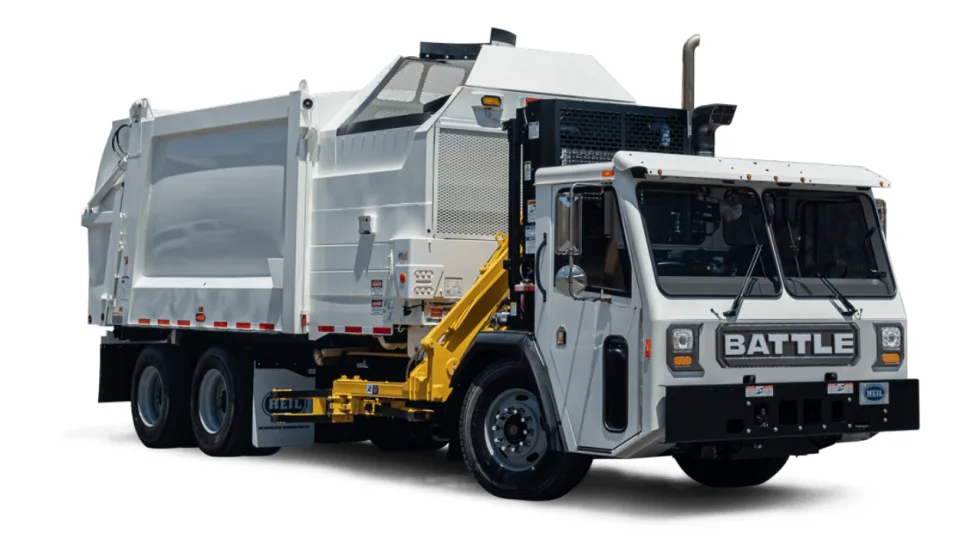
TCI Now Sells & Supports Battle Motors’ Vocational Trucks
Midwest truck dealer Truck Centers, Inc. (TCI) has expanded its transportation solutions with sales and service support for Battle Motors’ heavy-duty vocational trucks at locations in locations in Indiana, Illinois, and Missouri
Read More →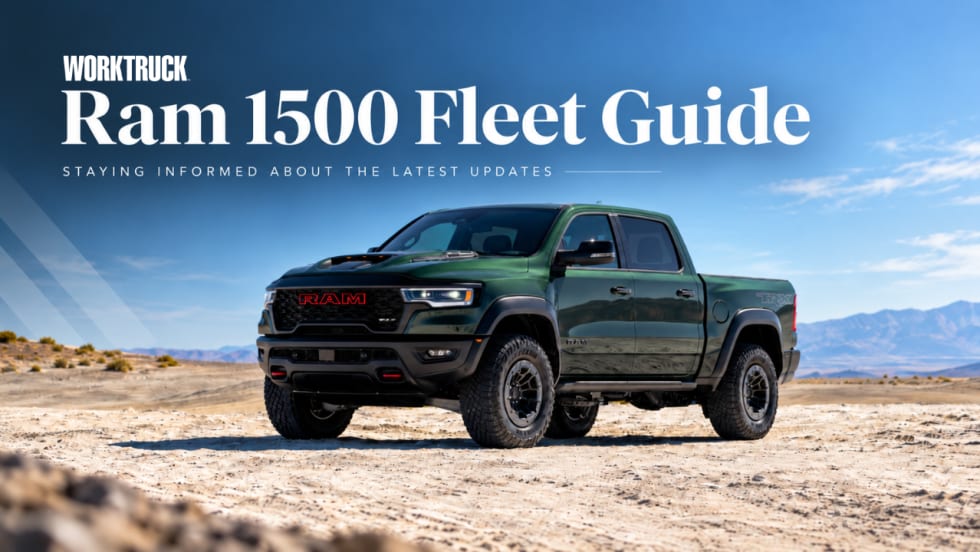
Ram 1500 Fleet Guide Specs, Capability and 2027 Model-Year Updates
Explore always up-to-date Ram 1500 fleet specs, engines, towing and payload capability, configurations, technology, pricing updates, and model-year changes.
Read More →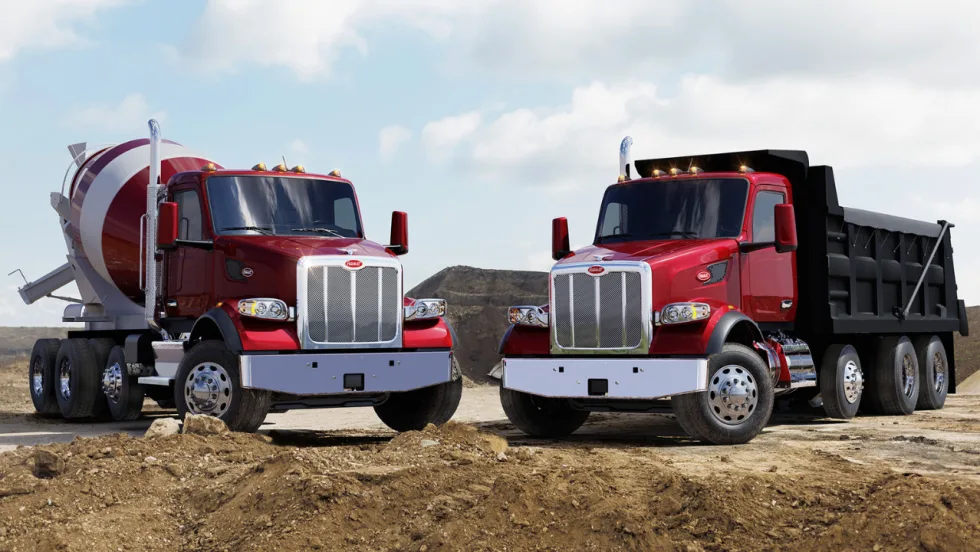
Peterbilt Trucks Equipped with Paccar TX-18 Pro Boost Efficiency for Maryland Fleet
Patuxent Companies is replacing aging trucks with the Peterbilt Model 567 and Model 589, specified with the Paccar TX-18 Pro 18-speed automated transmissions, and is reporting an 8% to 10% improvement in fuel economy.
Read More →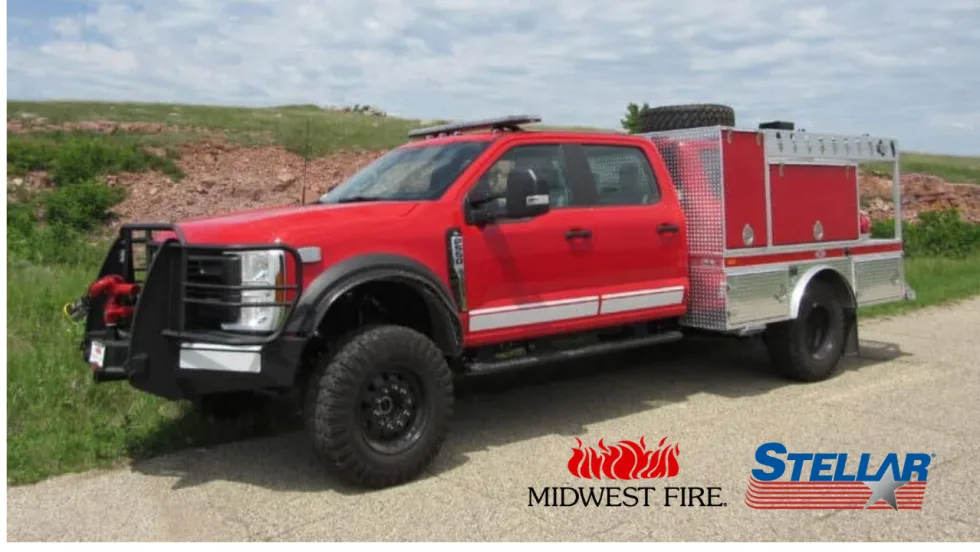
Stellar Expands into Fire Apparatus Market with Acquisition of Midwest Fire
Stellar Industries has acquired Midwest Fire, a custom fire apparatus manufacturer headquartered in Luverne, Minnesota, with nearly four decades of specialized apparatus experience.
Read More →