




SBA Withdraws Proposal to Redefine Small Business Size Standards
The Small Business Administration (SBA) withdrew yesterday a proposed rule that would have restructured criteria for small business size standards. The rule, submitted March 19, 2004, proposed to simplify size standards by establishing number of employees—in addition to a business’s gross receipts—as criteria to determine a small business. The proposal also requested to reduce the number of size standard levels from 37 to 10. A realignment of small business size has far reaching implications for businesses that gain small business status and those that fall out. In construction, not being a small business may exclude a company from bidding on certain contracts, or it may require a ten percent assessment on top of the bid. Marco Giamberadino, a director for the Associated General Contractors of America, told Business Fleet the proposal might motivate employers to lay off employees to fall under the new size standards. It may also shift current employees to “independent contractor” status resulting in less advantageous working environments. It would hurt some of the smaller companies who were already struggling to compete with the bigger ones, he said. The employee size standard was a major issue. “Construction is seasonal work, and some people only work limited hours per week,” Giamberadino said. You may have four employees working a total of forty hours, but realistically they’re only doing the job of one person.” “We definitely think they were trying to make a good faith effort to recognize the different needs of different industries, but it was unfortunately not a very well-thought out proposal,” Giamberadino said. SBA will now issue a new proposed rule prior to the final vote. Public comments during that time will be allowed. To view the criteria for determining a small business, click www.sba.gov.
More Small Fleet

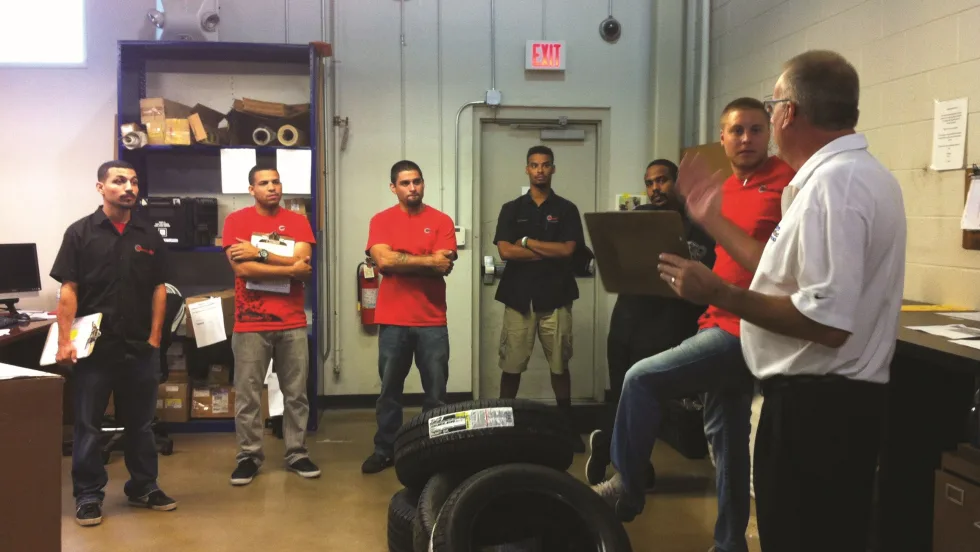
Developing Budget-Friendly Driver Safety Programs
From driver training and safety meetings to one-on-one coaching and incentive programs, several small fleets share how they have developed a safety culture with their drivers using low- to no-cost resources.
Read More →
Boosting Last-Mile Fleet Uptime, Safety, and Value with AI Vehicle Inspections
AI-powered inspections are transforming last-mile fleets by replacing manual checks with highly accurate automated scans that detect defects in seconds. By giving fleet operations visibility into the daily condition of their vehicles, you can identify trends over the vehicle’s lifecycle that enable improved procurement decisions, route management, driver training and accountability.
Read More →
Five Ways Seat Belts Help Prevent Injuries
There are five ways seat belts protect occupants from injuries, according to the Tennessee Department of Safety and Homeland Security.
Read More →
It’s here: The 2026 Fleet Technology Trends Report
What does AI mean for fleets? Get the answer — and learn other top tech trends.
Read More →
Small Fleets, Big Impact: How Independent Drivers Power Wreaths Across America
Check out how small fleets and independent drivers power Wreaths Across America each December and why their impact matters more than ever.
Read More →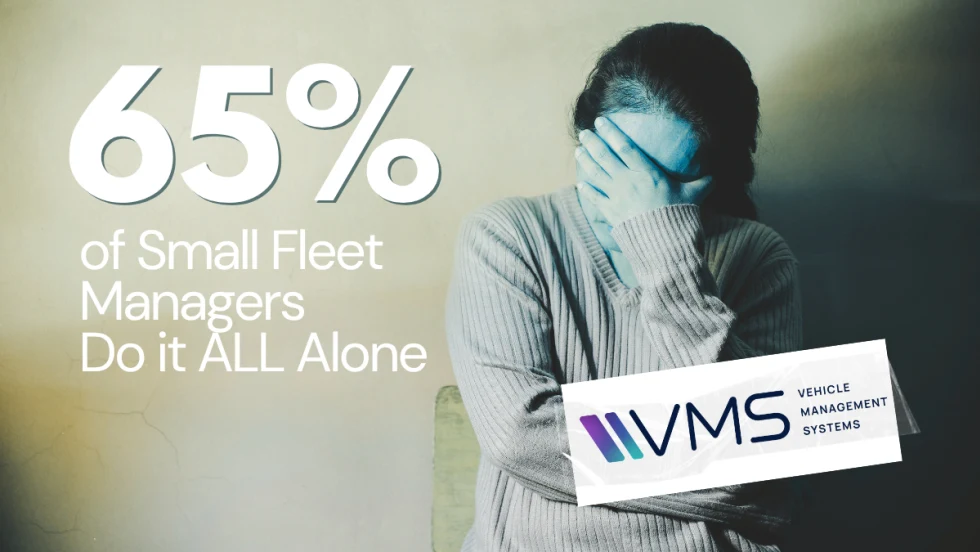
VMS Survey Finds 65% of Small Fleet Managers Run Operations Alone
A new VMS survey shows small fleet managers are stretched thin, with most handling operations solo and eager to adopt digital tools for relief.
Read More →
Tips for Driving Safely on Halloween Night
This video features a reminder from the Connecticut Department of Transportation (DOT) and the Connecticut Police Chiefs Association, urging drivers to prioritize safety this Halloween.
Read More →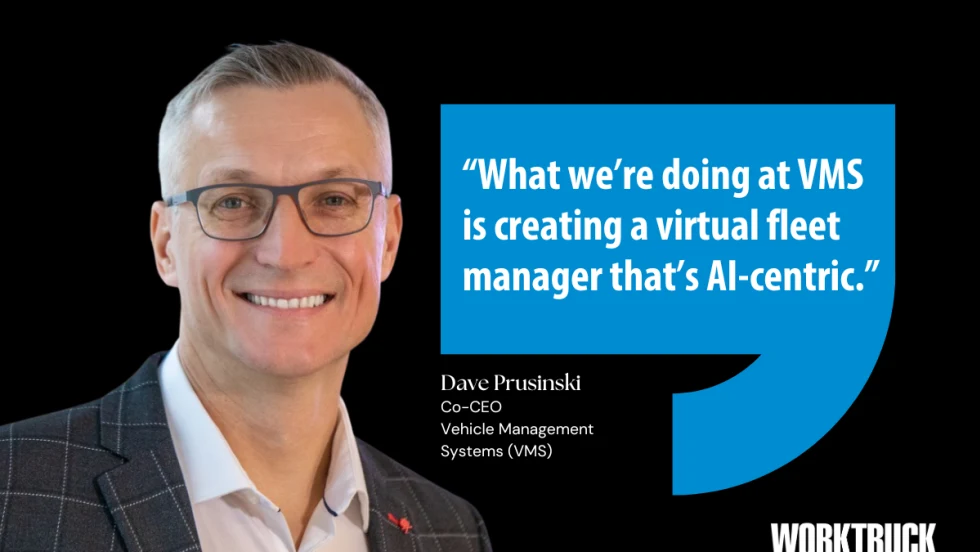
AI, Access, and Uptime: VMS’s Next Chapter with David Prusinski
VMS’s new Co-CEO, David Prusinski, shares how an AI-first approach will give small fleets and repair shops the tools to compete like big players.
Read More →
Fleet Managers Share Winter Prep Tips: It's Never Too Early!
Three fleets share best practices to prep vehicles for winter and prevent downtime when the cold sets in.
Read More →