




Related: Report Lists Safest and Deadliest Counties for Driving
Road Fatalities Fall 1% in First Half of 2017
But the estimated deaths for the first six months of 2017 are still 8% higher compared to 2015 numbers for the same period, according to the National Safety Council.
by Staff
August 15, 2017
Photo of New Jersey Turnpike by Milaurenti/Wikipedia.
2 min to read
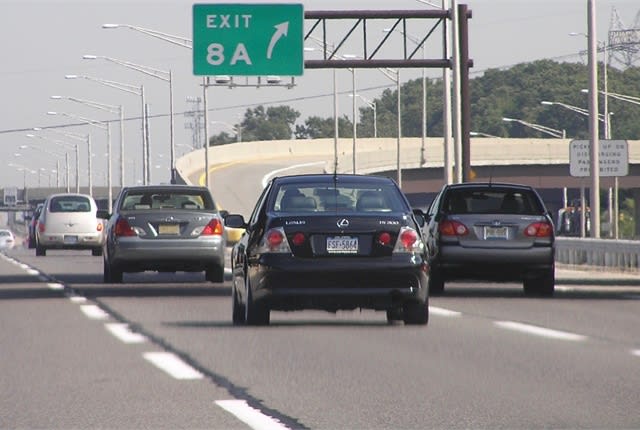
Photo of New Jersey Turnpike by Milaurenti/Wikipedia.
Motor vehicle deaths in the first six months of 2017 are 1% lower compared to the same six-month period in 2016, according to preliminary estimates from the National Safety Council.
But the country is fresh off the steepest estimated two-year increase in motor vehicle deaths since 1964, and it's too early to conclude whether the upward trend is over, the National Safety Council (NSC) said. The estimated road fatalities during the first six months of 2017 still are 8% higher than the 2015 six-month estimates. Moreover, the final six months of the calendar year — July to December — tend to be deadlier than the first six.
An estimated 18,680 people have been killed on U.S. roads since January and 2.1 million were seriously injured. The total estimated cost of these deaths and injuries is $191 billion, according to NSC.
"The price of our cultural complacency is more than a hundred fatalities each day," said NSC President and CEO Deborah A.P. Hersman. "Although the numbers may be leveling off, the road to zero deaths will require accelerating improvements in technology, engaging drivers and investing in our infrastructure."
NSC has tracked fatality trends and issued estimates for nearly 100 years. Last winter, the council estimated as many as 40,000 people were killed on roads in 2016 — a 6% rise over 2015 and the largest two-year percentage increase in deaths in 53 years. Those estimates — as well as the 2017 preliminary estimates — may be adjusted as more complete data become available.
Factors impacting motor vehicle fatality trends include an improved economy and lower gas prices, both of which have helped fuel a 1.7% increase in miles driven from 2016 to 2017, according to NSC.
To help reduce fatalities on the road, the National Safety Council recommends drivers:
Make sure every passenger buckles up on every trip
Designate an alcohol- and drug-free driver or arrange alternate transportation
Get plenty of sleep and take regular breaks to avoid fatigue
Never use a cell phone behind the wheel, even hands-free
Stay engaged in teens’ driving habits and visit DriveitHOME.org for resources
Learn about vehicle safety systems and how to use them; MyCarDoesWhat.org can help drivers understand features such as adaptive cruise control, blind spot warning systems and backup cameras.
Visit ChecktoProtect.org to check for open recalls
Check the NSC State of Safety report to gauge whether your state’s road safety laws are strong enough.
Supplemental information and state-by-state estimates can be found here.
Originally posted on Automotive Fleet
More Small Fleet


Developing Budget-Friendly Driver Safety Programs
From driver training and safety meetings to one-on-one coaching and incentive programs, several small fleets share how they have developed a safety culture with their drivers using low- to no-cost resources.
Read More →
Sponsored•March 9, 2026
Boosting Last-Mile Fleet Uptime, Safety, and Value with AI Vehicle Inspections
AI-powered inspections are transforming last-mile fleets by replacing manual checks with highly accurate automated scans that detect defects in seconds. By giving fleet operations visibility into the daily condition of their vehicles, you can identify trends over the vehicle’s lifecycle that enable improved procurement decisions, route management, driver training and accountability.
Read More →
Five Ways Seat Belts Help Prevent Injuries
There are five ways seat belts protect occupants from injuries, according to the Tennessee Department of Safety and Homeland Security.
Read More →
Sponsored•January 14, 2026
It’s here: The 2026 Fleet Technology Trends Report
What does AI mean for fleets? Get the answer — and learn other top tech trends.
Read More →
Small Fleets, Big Impact: How Independent Drivers Power Wreaths Across America
Check out how small fleets and independent drivers power Wreaths Across America each December and why their impact matters more than ever.
Read More →
VMS Survey Finds 65% of Small Fleet Managers Run Operations Alone
A new VMS survey shows small fleet managers are stretched thin, with most handling operations solo and eager to adopt digital tools for relief.
Read More →
Tips for Driving Safely on Halloween Night
This video features a reminder from the Connecticut Department of Transportation (DOT) and the Connecticut Police Chiefs Association, urging drivers to prioritize safety this Halloween.
Read More →
AI, Access, and Uptime: VMS’s Next Chapter with David Prusinski
VMS’s new Co-CEO, David Prusinski, shares how an AI-first approach will give small fleets and repair shops the tools to compete like big players.
Read More →
Fleet Managers Share Winter Prep Tips: It's Never Too Early!
Three fleets share best practices to prep vehicles for winter and prevent downtime when the cold sets in.
Read More →