




Report: ABS Reduces Crashes by 8% in Light Trucks
A new report, released by the National Highway Traffic Safety Administration, found that antilock brake systems have failed to cut the cumulative incidence of fatal crashes, but they have reduced the overall crash rates of passengers cars (by 6 percent) and light trucks (by 8 percent).
A new report, released by the National Highway Traffic Safety Administration, found that antilock brake systems have failed to cut the cumulative incidence of fatal crashes, but they have reduced the overall crash rates of passengers cars (by 6 percent) and light trucks (by 8 percent).
"Antilock brake systems (ABS) have close to a zero net effect on fatal crash involvements," the report summary noted. "Runoff-road crashes significantly increase, offset by significant reductions in collisions with pedestrians and collisions with other vehicles on wet roads. But ABS is quite effective in nonfatal crashes, reducing the overall crash-involvement rate by 6 percent in passenger cars and by 8 percent in light trucks (LTVs), including pickup trucks, SUVs and vans."
In a few years, all new vehicles will be equipped with electronic stability control (ESC) and will almost certainly also be equipped with ABS. "The combination of ESC and ABS will prevent a large proportion of fatal and nonfatal crashes," the report noted.
"The fundamental safety problem addressed by four-wheel ABS is that, in an emergency situation, the average driver brakes too hard, locking the wheels, which causes the vehicle to lose directional control," the report explained. "If the front wheels lock, the vehicle will continue in a straight path, but the driver will be unable to steer it. If the rear wheels lock, the vehicle can spin out and lose control. ABS senses if any of the four wheels is about to lock, and if so, it quickly releases the brakes on that wheel. Cycles of releasing, holding, and reapplying brakes are repeated many times per second. As long as the driver maintains firm pressure on the brake pedal, ABS automatically provides optimum braking force short of lockup. ABS enables the driver to steer while braking, prevents yawing due to rear-wheel lockup, and on many surfaces reduces stopping distances relative to a skidding vehicle."
Federal Motor Vehicle Safety Standard No. 126 will require all new passenger vehicles to be equipped with ESC after Sept. 1, 2011. All ESC systems to date and for the foreseeable future incorporate ABS technology. The ESC standard will apparently soon place ABS on every new car and LTV sold in the United States.
The study, The Long-Term Effects of ABS in Passenger Cars and LTVs, relied on data from 1995-2007. This data was culled from the Fatality Analysis Reporting System (FARS) and the General Estimates System (GES) of the National Automotive Sampling System (NASS).
More Small Fleet

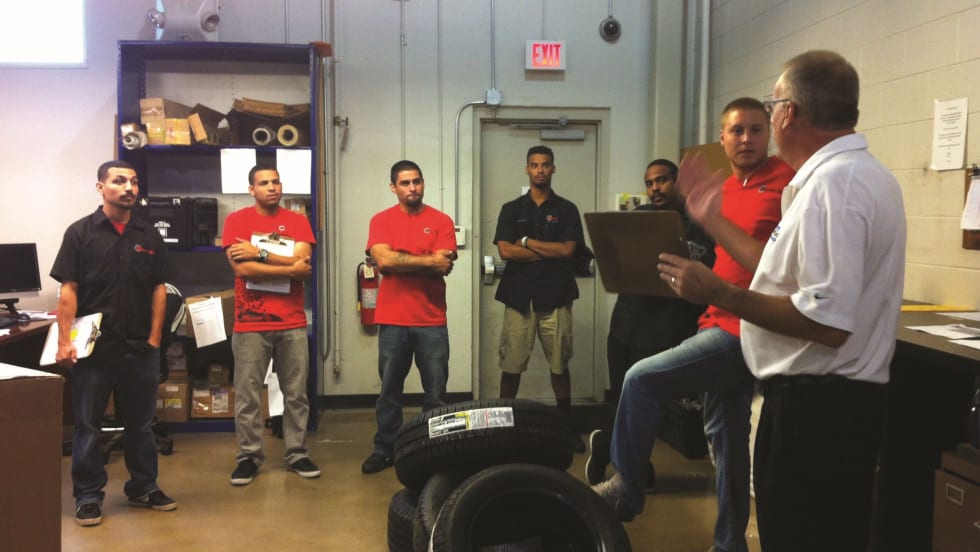
Developing Budget-Friendly Driver Safety Programs
From driver training and safety meetings to one-on-one coaching and incentive programs, several small fleets share how they have developed a safety culture with their drivers using low- to no-cost resources.
Read More →
Boosting Last-Mile Fleet Uptime, Safety, and Value with AI Vehicle Inspections
AI-powered inspections are transforming last-mile fleets by replacing manual checks with highly accurate automated scans that detect defects in seconds. By giving fleet operations visibility into the daily condition of their vehicles, you can identify trends over the vehicle’s lifecycle that enable improved procurement decisions, route management, driver training and accountability.
Read More →
Five Ways Seat Belts Help Prevent Injuries
There are five ways seat belts protect occupants from injuries, according to the Tennessee Department of Safety and Homeland Security.
Read More →
It’s here: The 2026 Fleet Technology Trends Report
What does AI mean for fleets? Get the answer — and learn other top tech trends.
Read More →
Small Fleets, Big Impact: How Independent Drivers Power Wreaths Across America
Check out how small fleets and independent drivers power Wreaths Across America each December and why their impact matters more than ever.
Read More →
VMS Survey Finds 65% of Small Fleet Managers Run Operations Alone
A new VMS survey shows small fleet managers are stretched thin, with most handling operations solo and eager to adopt digital tools for relief.
Read More →
Tips for Driving Safely on Halloween Night
This video features a reminder from the Connecticut Department of Transportation (DOT) and the Connecticut Police Chiefs Association, urging drivers to prioritize safety this Halloween.
Read More →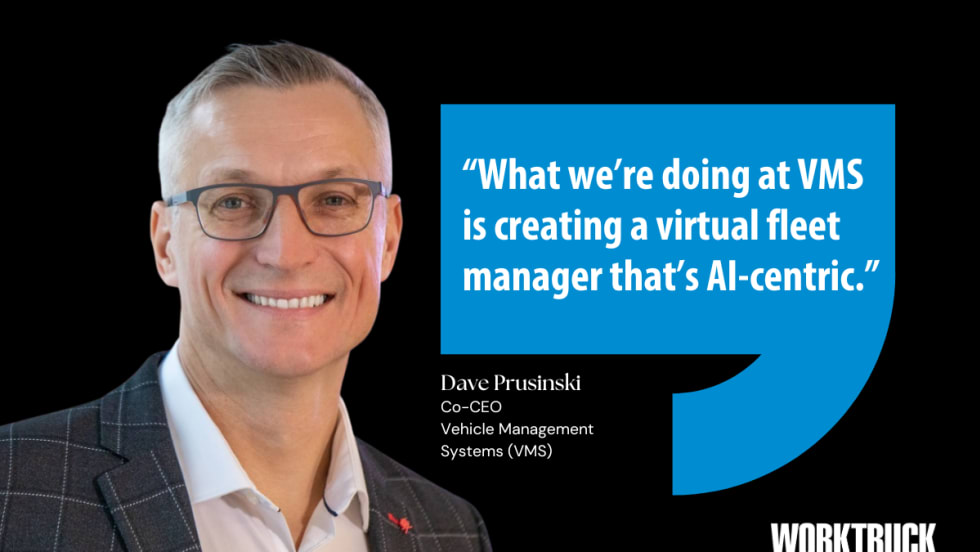
AI, Access, and Uptime: VMS’s Next Chapter with David Prusinski
VMS’s new Co-CEO, David Prusinski, shares how an AI-first approach will give small fleets and repair shops the tools to compete like big players.
Read More →
Fleet Managers Share Winter Prep Tips: It's Never Too Early!
Three fleets share best practices to prep vehicles for winter and prevent downtime when the cold sets in.
Read More →