




Renault Marks 15 Years in Brazil
Brazil is now the second biggest market for Renault, and sales there grew by 24.3 percent in 2012, four times as fast as the market (6.1 percent). Brazil is also the fourth-biggest car market in the world.
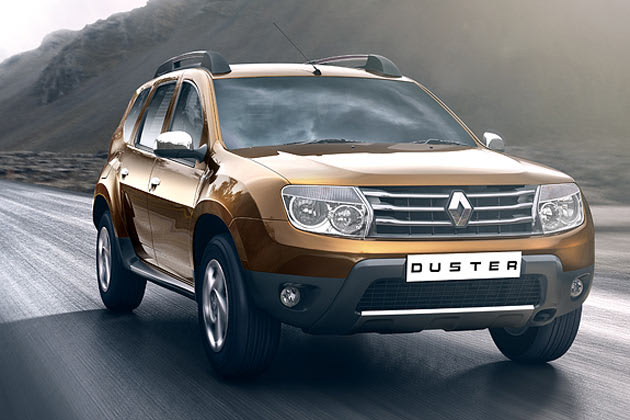
The Renault Duster is among the vehicles manufactured by the automaker in Brazil

The Renault Duster is among the vehicles manufactured by the automaker in Brazil
Renault is the number-five brand in Brazil (with a 6.5 percent share of the market at the end of November 2013), and has far outpaced the market in the past three years, according to the company. Brazil is now the second biggest market for Renault, and sales there grew by 24.3 percent in 2012, four times as fast as the market (6.1 percent). Brazil is also the fourth-biggest car market in the world.
Renault’s major conquests in the Brazilian market over the past 15 years are supported by a manufacturing base consisting of three plants at the Ayrton Senna complex located in Curitiba: a passenger-car plant, a light commercial vehicle plant and an engine plant. The plants export to the whole of Latin America. Manufacturing close to markets cuts customs duties and logistics costs, and enables Renault to be more responsive and adapt to the tastes and expectations of regional customers.
In March 2013, the Curitiba plant reopened after massive extension work, which was completed in just two months at an investment cost of R$500 million (approximately €193 million). Production capacity at the passenger-car plant, which makes Renault Duster, Sandero, Logan and Mégane 2, has been increased from 220,000 to 320,000 units a year. Production capacity at the engine plant has increased 25 percent, from 400,000 units a year in 2012 to 500,000 units a year in 2013, according to the automaker.
In addition to the manufacturing plants, Renault said its growth strategy in Brazil also involves expanding the network, and renewing and extending the product range. A strategy designed to achieved an ambitious target: 8 percent market share by 2016.
The network of dealerships is a fundamental lever for Renault’s sales growth in Brazil, according to the automaker. The network has gained 100 new outlets in the past three years alone. The expansion plans continued in 2013 and should result in 40 new dealerships, which is 17 percent more than in 2012, making a total of 275 dealerships, covering 83 percent of the country.
As for the extension and renewal of the range, more than 20 new models have been launched since 2011. Renault released two new products in 2013: the completely remodeled New Master – which is exactly the same as the model sold in Europe, which offers more than 70 different configurations – and New Logan. The product range is positioned to meet the needs of South American customers, who appreciate the models’ robust design, low running costs, interior space and three-year warranties, according to automaker.
Originally posted on Automotive Fleet
More Small Fleet


Developing Budget-Friendly Driver Safety Programs
From driver training and safety meetings to one-on-one coaching and incentive programs, several small fleets share how they have developed a safety culture with their drivers using low- to no-cost resources.
Read More →
Boosting Last-Mile Fleet Uptime, Safety, and Value with AI Vehicle Inspections
AI-powered inspections are transforming last-mile fleets by replacing manual checks with highly accurate automated scans that detect defects in seconds. By giving fleet operations visibility into the daily condition of their vehicles, you can identify trends over the vehicle’s lifecycle that enable improved procurement decisions, route management, driver training and accountability.
Read More →
Five Ways Seat Belts Help Prevent Injuries
There are five ways seat belts protect occupants from injuries, according to the Tennessee Department of Safety and Homeland Security.
Read More →
It’s here: The 2026 Fleet Technology Trends Report
What does AI mean for fleets? Get the answer — and learn other top tech trends.
Read More →
Small Fleets, Big Impact: How Independent Drivers Power Wreaths Across America
Check out how small fleets and independent drivers power Wreaths Across America each December and why their impact matters more than ever.
Read More →
VMS Survey Finds 65% of Small Fleet Managers Run Operations Alone
A new VMS survey shows small fleet managers are stretched thin, with most handling operations solo and eager to adopt digital tools for relief.
Read More →
Tips for Driving Safely on Halloween Night
This video features a reminder from the Connecticut Department of Transportation (DOT) and the Connecticut Police Chiefs Association, urging drivers to prioritize safety this Halloween.
Read More →
AI, Access, and Uptime: VMS’s Next Chapter with David Prusinski
VMS’s new Co-CEO, David Prusinski, shares how an AI-first approach will give small fleets and repair shops the tools to compete like big players.
Read More →
Fleet Managers Share Winter Prep Tips: It's Never Too Early!
Three fleets share best practices to prep vehicles for winter and prevent downtime when the cold sets in.
Read More →