




PG&E Participates in Hybrid Truck Pilot
SAN FRANCISCO – Pacific Gas and Electric Company is among the first utilities in the nation to test a new diesel-electric utility service truck with the potential to avoid the release of two tons of carbon dioxide per year.
SAN FRANCISCO – Pacific Gas and Electric Company is among the first utilities in the nation to test a new diesel-electric utility service truck with the potential to avoid the release of two tons of carbon dioxide per year.
“Hybrid-electric trucks are promising because of their potential to significantly reduce the use of petroleum-based fuel and help keep California’s air clean,” said Jill Egbert, manager, clean air transportation, PG&E. “We hope our involvement will lead to the accelerated development and mainstream acceptance of hybrids in our industry.”
PG&E is one of 14 utilities in the nation participating in the pilot truck program, sponsored by WestStart’s Hybrid Truck Users Forum (HTUF), a hybrid commercialization project bringing together truck fleet users, truck makers, technology companies, and the U.S. military, to field-test utility trucks with an integrated hybrid power-train solution.
The hybrid bucket truck, manufactured by International and Eaton Corporation, is conducting routine and emergency overhead line work in PG&E’s San Francisco service area that would normally be done by a standard diesel-powered bucket truck.
Independent test results involving the type of truck being used in the pilot, measured against driving and work cycles typical of the utility industry, showed a decrease in the amount of fuel used of 40-60 percent, as well as emissions-reduction benefits. At $3.00 per gallon for fuel, the potential savings ranges from $4,500 to $5,500 a year per vehicle.
“The early results are very promising,” said Bill Van Amburg, senior vice president, WestStart. “While testing these trucks on a larger scale and over a longer period of time in this pilot program is a critical next step, we’re confident these vehicles are commercially viable and will deliver real value to customers.”
The hybrid trucks will be assessed for one year as part of this national program. Fleets will test the fuel economy and emissions-reduction benefits of the trucks in addition to other
Power generation of up to 25 kilowatts.
Silent, non-polluting work site operation.
Reduced brake wear due to regenerative braking.
Extended maintenance intervals of the engine and systems.
To gauge performance of the diesel-electric hybrid trucks participating in the pilot, International will equip each vehicle, along with an additional baseline non-hybrid truck, with its new International Aware Vehicle Intelligence system. This telematic system will send continuous information to everyone involved to measure the performance of the hybrid test fleet against a conventional vehicle being used in the same application and location. The data will give PG&E specific information on performance and savings to help to fully understand the impact of hybrid-electric vehicles in the fleet.
During the year-long test, the participating fleets will also work with the supplier team as it finalizes its production design. If the hybrid truck performance meets expectations, initial production could begin in late 2007. At that time, the hybrid vehicle could serve as a replacement for traditional utility trucks, as well as applications such as tree trimming, regional delivery, beverage vehicles, and shuttle buses.
More Operations

ATRI Names Next President and CEO
Page Siplon, a longtime transportation and logistics industry executive, has been chosen as the next president and CEO of the American Transportation Research Institute (ATRI).
Read More →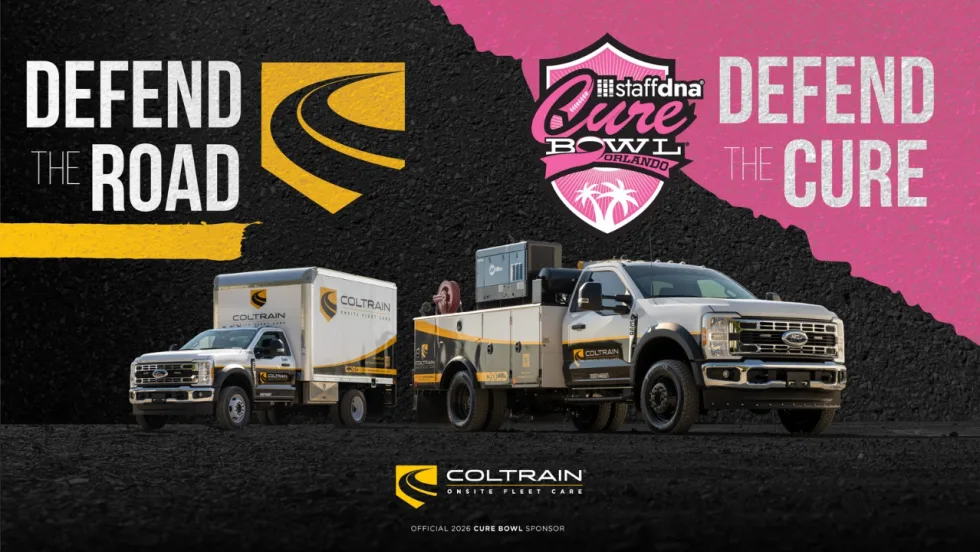
Coltrain Onsite Fleet Care Sponsors 2026 Cure Bowl to Support Cancer Research
The mobile fleet maintenance provider is supporting the annual college football bowl game, which has helped raise $6.83 million for cancer research since 2015.
Read More →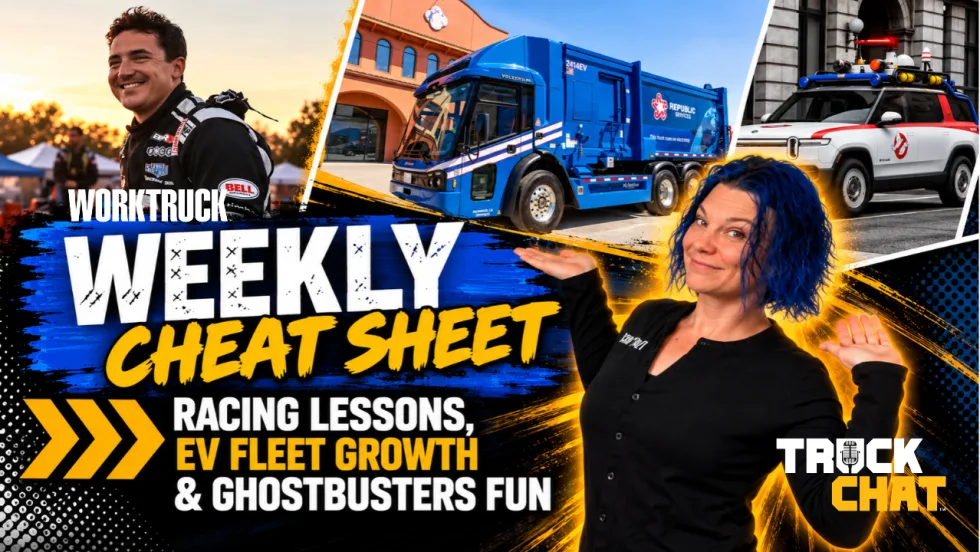
Racing Lessons, Electric Fleet Growth, and Ghostbusters Lead This Week's Work Truck News
Racing lessons for fleets, Republic Services' electric truck expansion, 40 years of fleet wisdom, truck trivia, autonomous yard trucks, and more headline this week's Truck Chat Cheat Sheet.
Read More →From Our Partners
Basic Tracking vs Next Generation Fleet Technology
Sponsored by AT&T Business

5 Facts Every Fleet Manager Should Know About Embedded Telematics
Sponsored by Stellantis/Mobilisights

How AI Video Telematics Boosts Driver Safety and Helps to Avoid Unnecessary Costs
Sponsored by Verizon Connect

Charting the 8 Bottom-Line Benefits of Workforce Optimization
Sponsored by Verizon Connect

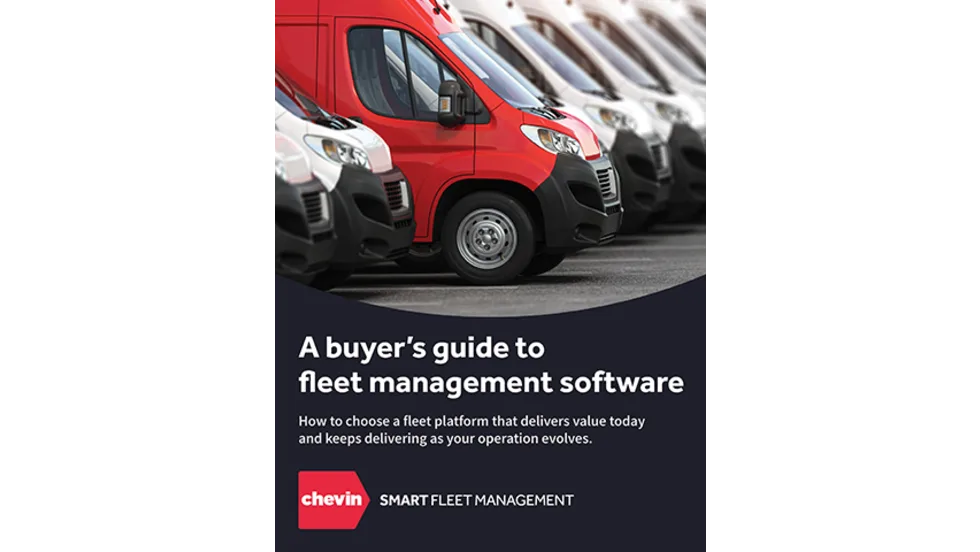
A buyer's guide to fleet management software in 2027
Buying fleet management software in 2027 means looking beyond features and price. As fleet operations, technology and expectations evolve, this guide explores what today’s fleet professionals should consider when choosing a system that can deliver value now and adapt to what comes next.
Read More →
How to Build a Lasting Fleet Career by Staying Curious and Connected
Tina Kourakos never planned on a career in fleet. More than 30 years later, she says curiosity, strong relationships, and a willingness to keep learning helped turn an unexpected assignment into a career spanning fleet management and OEM leadership.
Read More →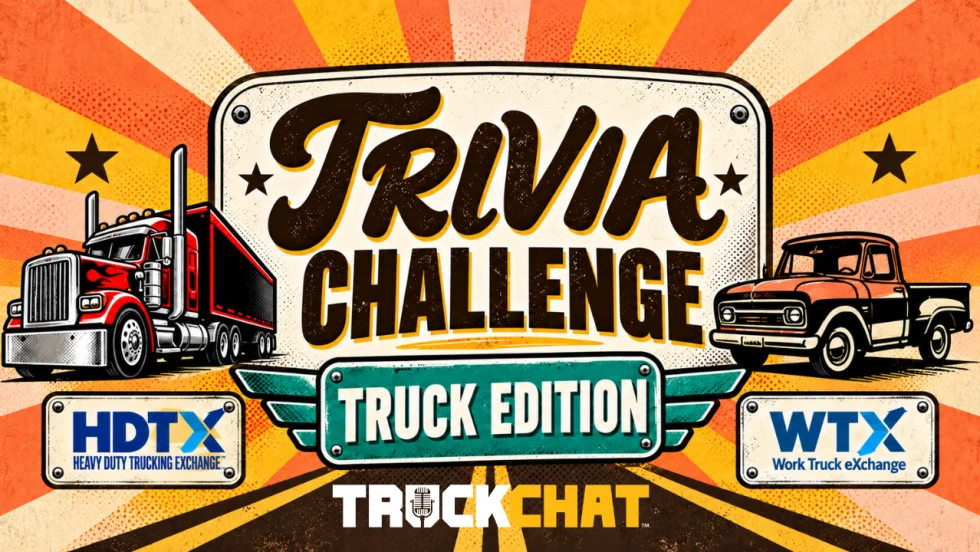
Think You Know Trucks? Take Our 19-Question Fleet Trivia Challenge
From chicken lights to diesel engines and trucking history, test your knowledge with 19 questions from the 2026 Work Truck Exchange and Heavy Duty Trucking Exchange.
Read More →
Where’s My Truck: Inside the Fleet Logistics Work Nobody Sees
Shades of Fleet video thumbnail featuring Lauren Fletcher beside the text “The People Behind the Process, Keeping Fleets Moving,” with fleet vehicles and logistics imagery in the background.
Read More →
Work Truck Seeks Fleet and Industry Insights on 2026 Trends and 2027 Forecasts
Work Truck is seeking insights from fleet leaders and industry partners on the trends that shaped 2026 and what commercial fleets should prepare for in 2027. Participate today!
Read More →
It's 10 p.m... Do You Know Who Has Access to Your Fleet?
Preventing cargo theft requires investment in technology, operational processes, and employee training. In an industry with tight margins, it can be difficult to justify investments whose value is measured by incidents that might never occur.
Read More →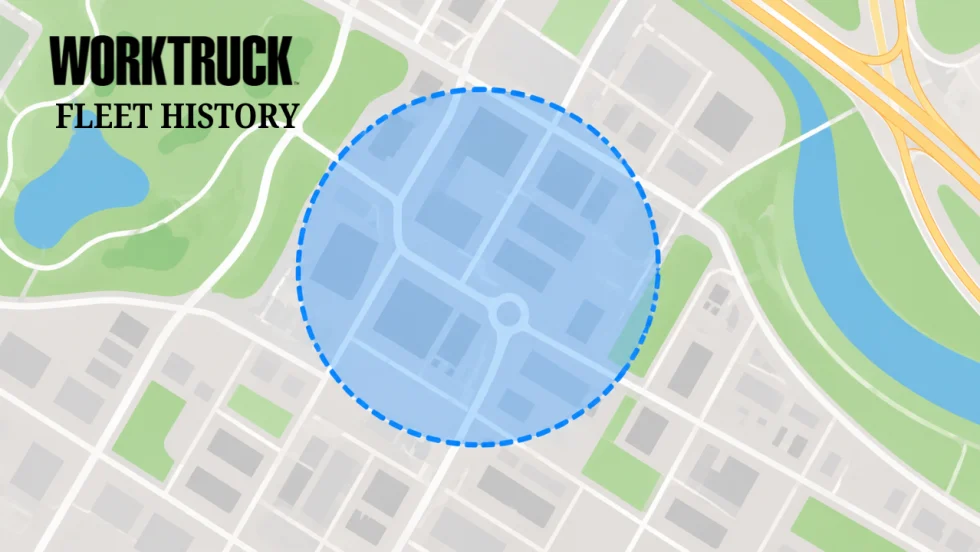
GeoFencing Adds to Your Truck Security Arsenal
Geofencing is a familiar fleet tool today, but its early adoption marked a major shift in vehicle tracking, route monitoring, and the debate over employee privacy.
Read More →