




PERC Offers Tips for Refueling Propane Autogas Vehicles
The Propane Education & Research Council recommends working with propane providers to develop a strategic refueling approach and to conduct safety training.
Fleets across the country have adopted work trucks fueled by propane autogas due to their easy refueling capability and cost effectiveness, according to Alan McEwan, engine fuel programs manager for the Propane Education & Research Council (PERC).
“Fleet managers can work with propane providers to develop a strategic refueling approach and conduct safety training,” he said.
McEwan compiled the following list of responses to common refueling questions:
How do propane providers determine what type of onsite dispensing to recommend?
Propane providers make it easy to install onsite dispensing. Fleets have specific needs, so propane providers assist in developing a custom refueling approach. Onsite propane autogas dispensing is compact and easily installed, making refueling convenient for many fleets by eliminating offsite trips for drivers. A variety of tank sizes and dispensing pumps are available, and onsite dispensing can be upgraded as a fleet grows.
What does onsite dispensing cost and how do fleets get installation approval?
Installation cost for onsite dispensing is comparable to the cost of installing a gasoline or diesel station. The actual cost of the refueling infrastructure and installation varies based on type and size. Propane providers inform managers about the advantages of owning and leasing infrastructure, and work with municipalities to ensure the recommended infrastructure meets state and local regulations. Depending on the infrastructure type, initial installation work may only take a few weeks.
What type of safety training is needed?
After onsite dispensing installation, propane providers train owners, managers and drivers on proper safety procedures and personal protective equipment (PPE) and share safety materials. Propane providers often work closely with compliance organizations to ensure fleets meet ongoing safe handling procedures and practices required Occupational Safety and Health Administration training, Material Safety Data Sheets training and other requirements
Commercial fleet managers can learn more by going to www.autogasusa.org or by calling a local propane provider.
The Propane Education & Research Council was authorized by the U.S. Congress with the passage of Public Law 104-284, the Propane Education and Research Act (PERA), signed into law on Oct. 11, 1996. PERC’s mission is to promote the safe, efficient use of odorized propane gas as a preferred energy source through research and development, training and safety initiatives.
More Small Fleet

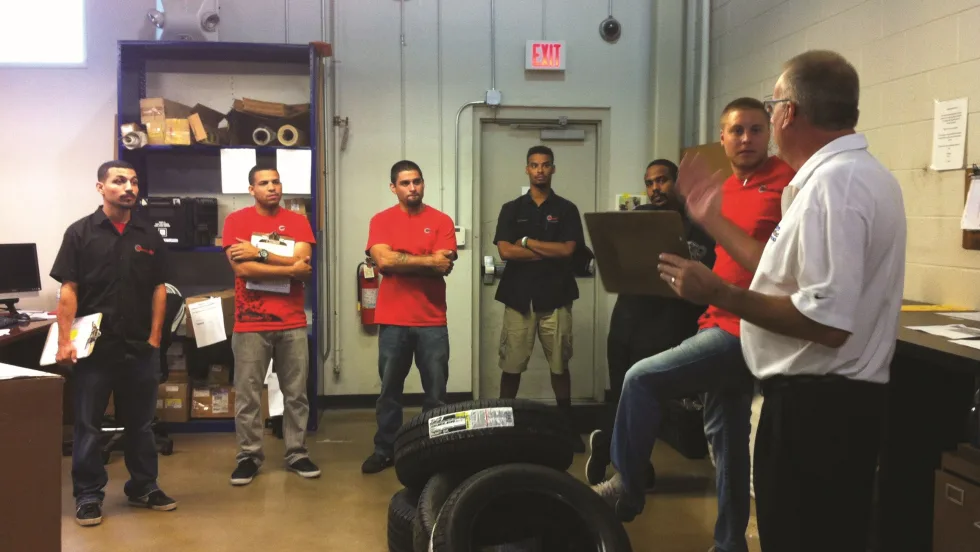
Developing Budget-Friendly Driver Safety Programs
From driver training and safety meetings to one-on-one coaching and incentive programs, several small fleets share how they have developed a safety culture with their drivers using low- to no-cost resources.
Read More →
Boosting Last-Mile Fleet Uptime, Safety, and Value with AI Vehicle Inspections
AI-powered inspections are transforming last-mile fleets by replacing manual checks with highly accurate automated scans that detect defects in seconds. By giving fleet operations visibility into the daily condition of their vehicles, you can identify trends over the vehicle’s lifecycle that enable improved procurement decisions, route management, driver training and accountability.
Read More →

Five Ways Seat Belts Help Prevent Injuries
There are five ways seat belts protect occupants from injuries, according to the Tennessee Department of Safety and Homeland Security.
Read More →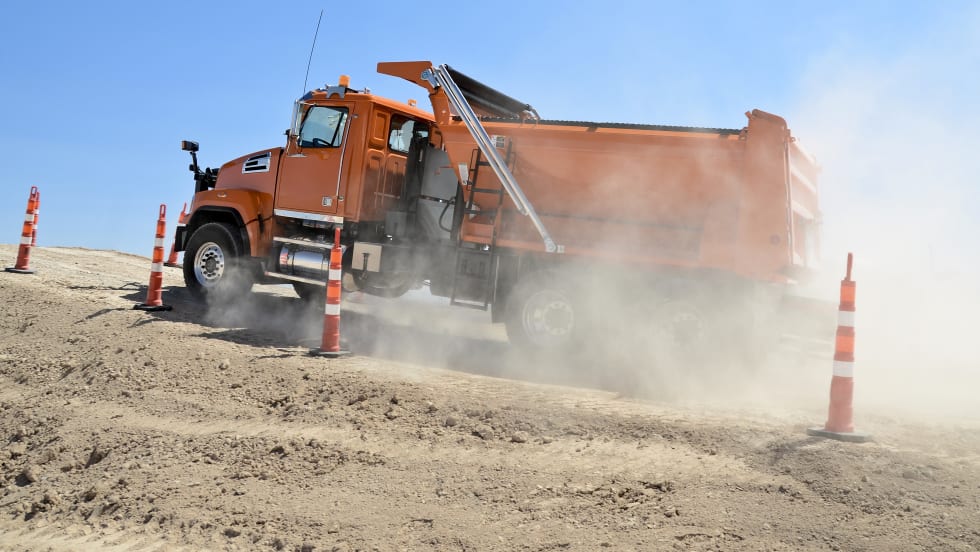
Basic Tracking vs Next Generation Fleet Technology
Fleet software is getting more sophisticated and effective than ever, tying big data models together to transform maintenance, safety, and the value of your existing tech stack. Fleet technology upgrades are undoubtedly an investment, but updated technology can offer a much higher return. Read how upgrading your fleet technology can increase the return on your investment.
Read More →
It’s here: The 2026 Fleet Technology Trends Report
What does AI mean for fleets? Get the answer — and learn other top tech trends.
Read More →
Small Fleets, Big Impact: How Independent Drivers Power Wreaths Across America
Check out how small fleets and independent drivers power Wreaths Across America each December and why their impact matters more than ever.
Read More →
VMS Survey Finds 65% of Small Fleet Managers Run Operations Alone
A new VMS survey shows small fleet managers are stretched thin, with most handling operations solo and eager to adopt digital tools for relief.
Read More →
Tips for Driving Safely on Halloween Night
This video features a reminder from the Connecticut Department of Transportation (DOT) and the Connecticut Police Chiefs Association, urging drivers to prioritize safety this Halloween.
Read More →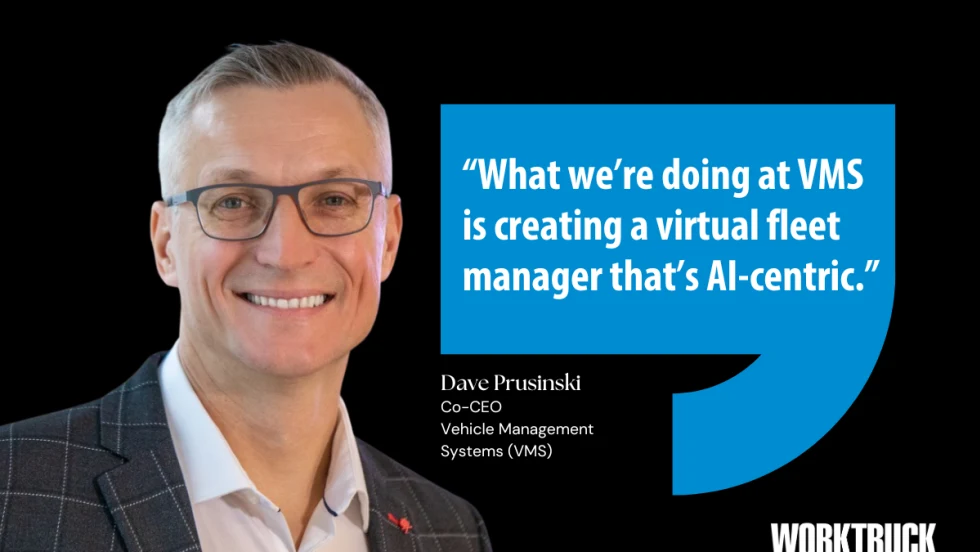
AI, Access, and Uptime: VMS’s Next Chapter with David Prusinski
VMS’s new Co-CEO, David Prusinski, shares how an AI-first approach will give small fleets and repair shops the tools to compete like big players.
Read More →