




Optimize Oil Drain Intervals With the Right Filter
Pairing the right filter with the right oil is crucial in helping fleets implement a successful and safe extended oil drain program. It can also save fleets thousands of dollars in maintenance costs.
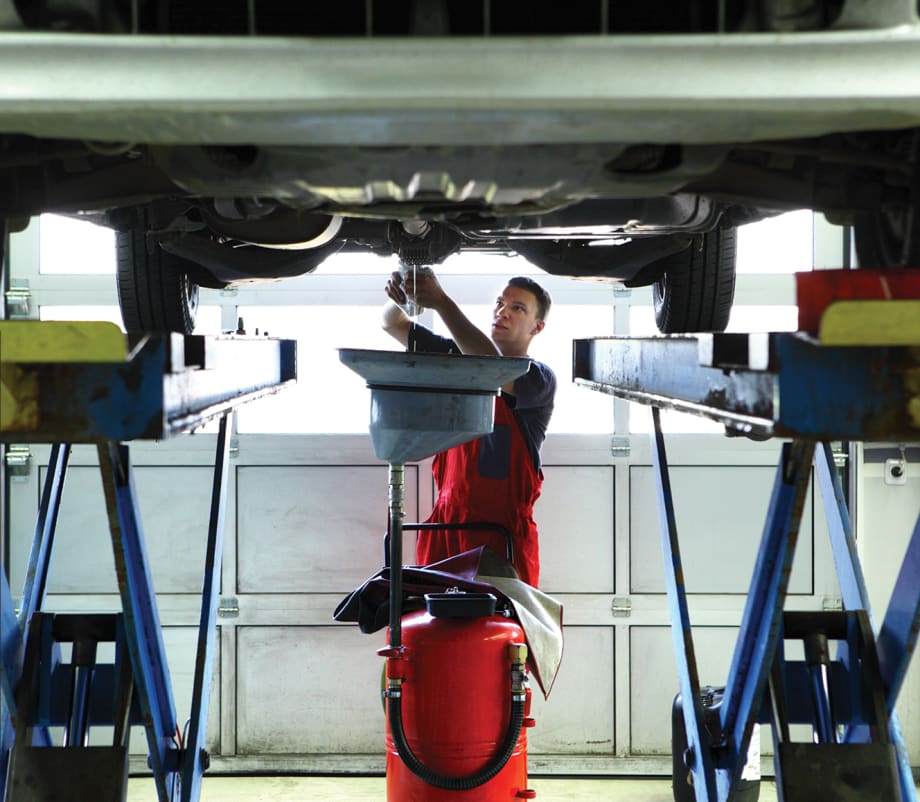
Photo courtesy of HUBB Filters.
Photo courtesy of HUBB Filters.
Extending oil drain intervals can potentially save fleets thousands of dollars in maintenance costs while significantly reducing vehicle downtime, two elements that are essential for keeping a fleet ahead of the competition.
Historically, fleet managers have based oil drain intervals on calendar intervals or miles driven. But developments in oil and filter technology have forced fleets to rethink the frequency of their oil change program. Intervals based on average data for fleets may not be suited for vehicles in a particular fleet.
Oil analysis can help determine how much longer oil can last but choosing the right filter is equally important.
For example, HUBB filter’s surgical steel media captures more contaminants than a conventional filter and has up to five times the storage capacity. HUBB filters are manufactured to be cleanable and reusable and are guaranteed to last 100,000 miles or 5,000 hours. Its patented filter-in-filter design ensures lasting protection and the safety of an extended oil drain program.
Pairing the right filter with the right oil is crucial in helping fleets implement a successful and safe extended oil drain program. A program that is not well thought out has the potential to not only waste those precious dollars that were spent on the oil but it can also hurt the life of a vehicle’s engine.
Originally posted on Automotive Fleet
More Maintenance
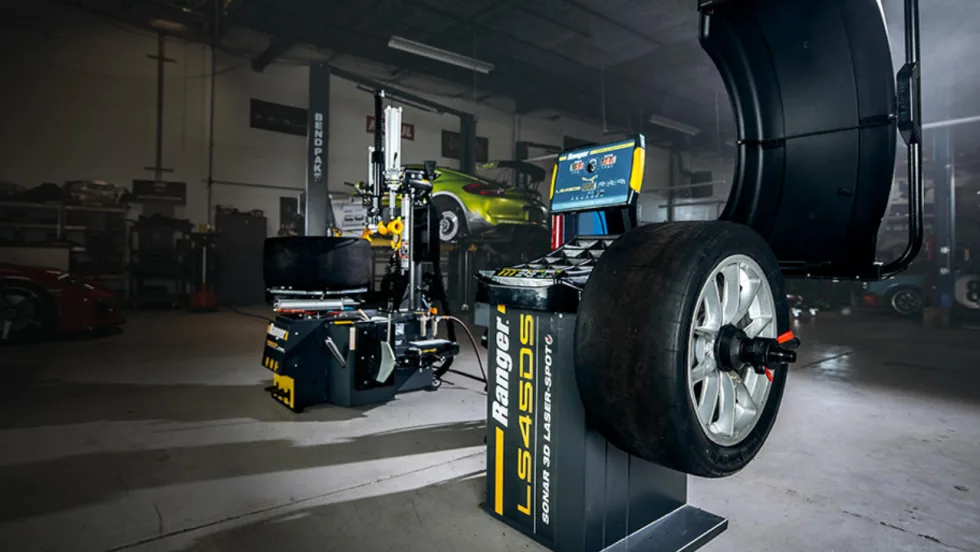
BendPak’s Ranger Wheel Service Equipment Achieves North American Safety Certification
BendPak’s full line of Ranger tire changers and wheel balancers has been ETL certified to UL and CSA standards to improve operator safety.
Read More →
Isuzu & U.S. Department of Labor Celebrate Milestone for Veterans Apprenticeship Program
The Isuzu Veterans Apprenticeship Program (IVAP) signing ceremony highlighted Isuzu’s long-term commitment to veterans, Isuzu dealers, and the skilled workforce supporting its customers and the commercial transportation industry.
Read More →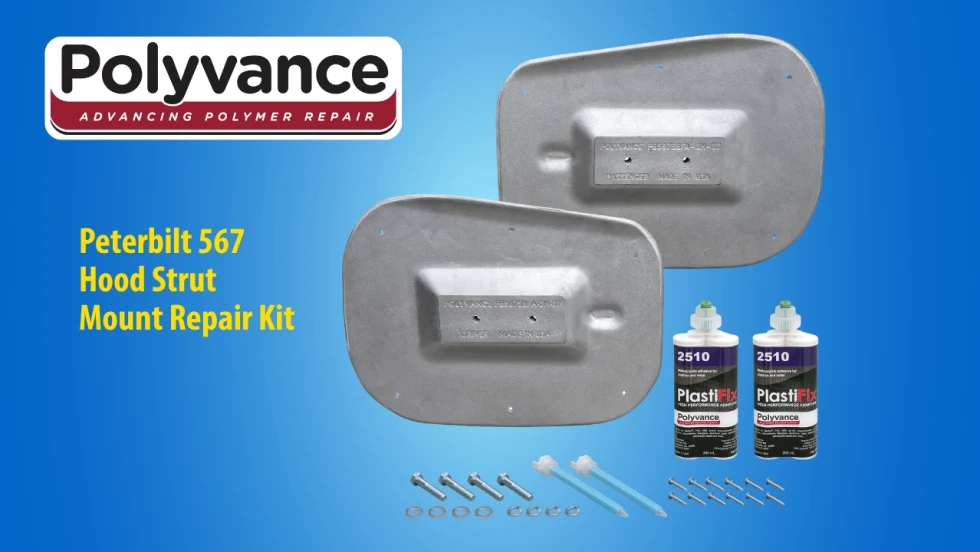
Polyvance Introduces New Peterbilt 567 Hood Strut Mount Repair Kit
Polyvance has launched a repair solution for Peterbilt 567 hood struts, helping truck owners and repair facilities avoid costly hood replacements.
Read More →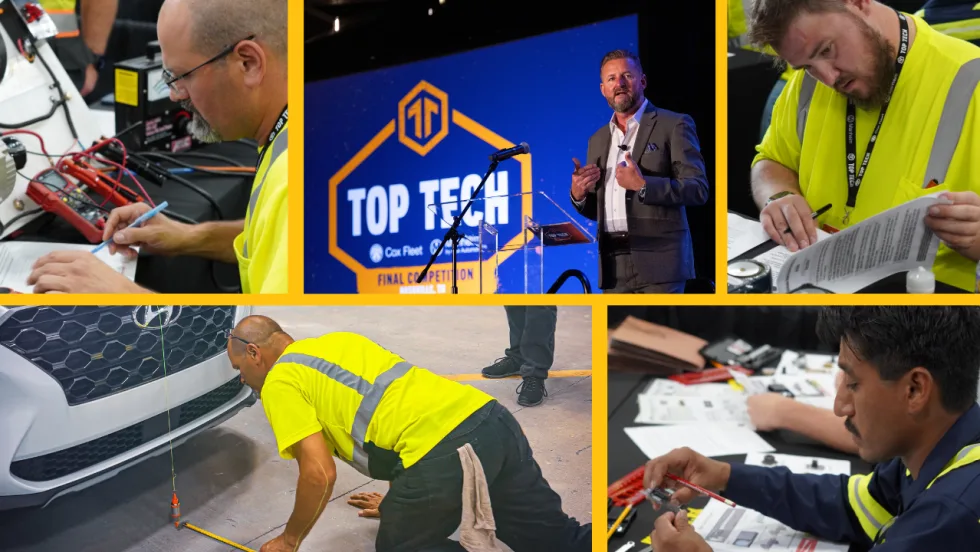
Cox Automotive Celebrates Technical Excellence at 2026 Top Tech Finals
The top technicians from Cox Fleet and Manheim tested their skills in Nashville, Tennessee, at Cox Automotive’s 2026 Top Tech Finals. The overall winners will advance to compete at the American Trucking Association’s TMC SuperTech competition.
Read More →
Grote Industries Appoints Vice President of North American Operations
Grote Industries has appointed Patrick Smith as vice president of North American operations as it celebrates 125 years of innovation and manufacturing excellence. He has more than 20 years of manufacturing leadership experience.
Read More →
Winter Fleet Prep: Expert Tips to Keep Vehicles Running Smoothly
Cold weather can expose weak batteries, tires, fuel systems, and maintenance gaps fast. Use this winter fleet checklist to prepare trucks and drivers before temperatures drop.
Read More →
Lubrizol CV1700 Heavy-Duty Engine Oil Additive Available Well Ahead of API CL-4 First License
Lubrizol CV1700, Lubrizol’s additive solution for the American Petroleum Institute’s (API’s) next heavy-duty diesel engine oil specification, is available now and enables high performance across a broad range of base oil stocks and viscosity grades.
Read More →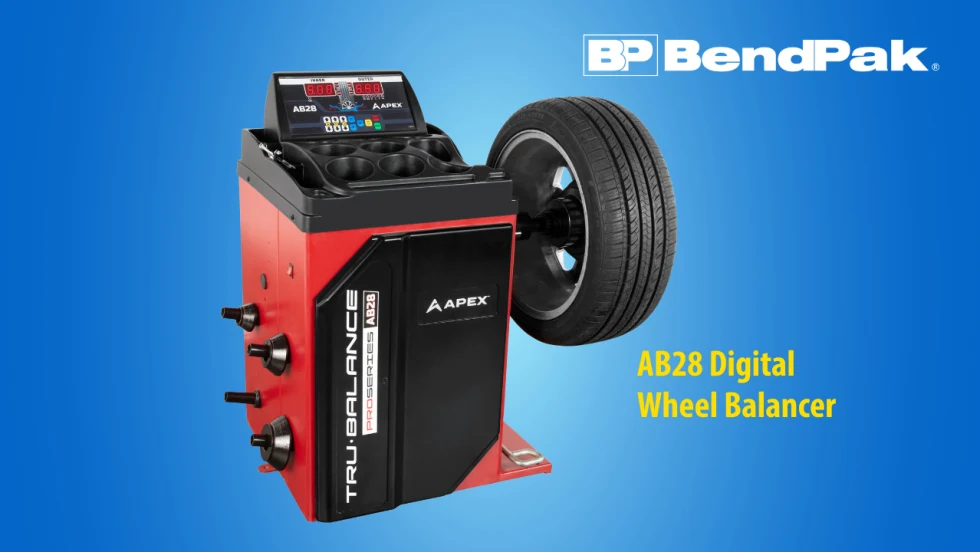
New APEX by BendPak AB28 Wheel Balancer Provides Accuracy & Fast Cycle Times
The APEX by BendPak AB28 digital wheel balancer is designed to support everything from passenger-vehicle and light-truck wheels to performance and specialty wheels.
Read More →
When a Work Truck Breaks Down, the Job Can Stop, Too
A work truck breakdown can stop more than the vehicle. Discover how payloads, jobsites, and specialty equipment change the roadside response.
Read More →
Fleet Tips for Managing Hot-Weather Breakdowns
A roadside breakdown is stressful enough, but summer heat makes it even more challenging. Learn how fleets can prepare drivers with emergency response plans, communication protocols, and simple essentials that improve safety while waiting for assistance.
Read More →