




One Big Beautiful Bill Creates Shifts and Regulatory Changes Fleet Managers Should Watch
Trump’s One Big Beautiful Bill includes tax breaks and rule changes. Here’s what commercial fleet managers need to know now and what to watch for next.
July 8, 2025

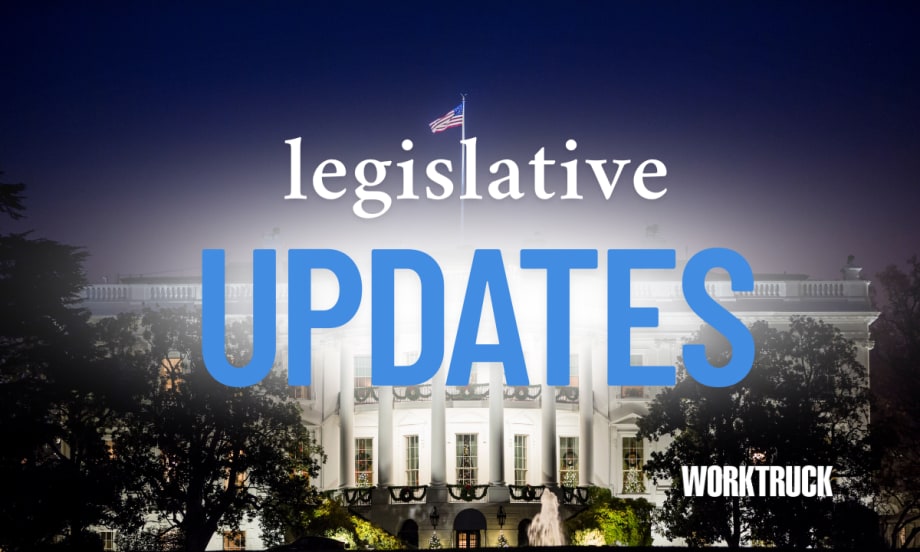
President Trump signed the One Big Beautiful Bill into law on July 4, 2025, introducing sweeping tax reforms and policy shifts that could impact commercial fleets.
Photo: Work Truck
3 min to read
President Donald J. Trump signed the One Big Beautiful Bill Act into law during a Fourth of July ceremony at the White House, calling it “the biggest tax cut and economic win for American workers and companies in history.”
The 1,116-page legislation includes sweeping tax reforms, funding shifts, and deregulation efforts that could directly and indirectly affect commercial vehicle fleet operations.
Tax Breaks and Deduction Opportunities for Fleets
Among the most notable provisions for fleet managers is a temporary tax deduction for auto loan interest on vehicles assembled in the U.S. This deduction applies to new purchases made between 2025 and 2028 and could influence acquisition strategies. Fleet operators are encouraged to reevaluate procurement plans to take advantage of potential savings tied to U.S.-built models, according to legislative details reported by AP News.
The bill also makes permanent the 2017 individual income tax cuts, increases the standard deduction, eliminates taxes on overtime pay and tips, and expands child tax deductions. These changes could reshape how fleets structure compensation and benefits for drivers and staff.
Cuts, Shifts, and Long-Term Impacts
The One Big Beautiful Bill includes substantial funding shifts, particularly in healthcare and entitlement programs. Medicaid and Medicare spending are both significantly reduced, and work requirements for food assistance programs are expanded. The Congressional Budget Office projects the bill will increase the federal deficit by $2.8 trillion by 2034 and result in 10.9 million Americans losing health insurance coverage.
While not transportation-specific, the legislation includes increased federal infrastructure investment. The White House stated that this funding supports improvements to highways, bridges, and broader logistics networks, which could have a ripple effect on commercial delivery efficiency and regional routing.
Regulatory rollback provisions, especially in environmental and labor enforcement, could also result in reduced compliance requirements at the state and federal levels—though details are still emerging.
What Fleet Managers Should Watch
Fleet leaders should keep a close eye on the following developments and take action where it makes sense:
Review vehicle purchasing plans to leverage the auto loan interest deduction for U.S.-assembled models between 2025–2028
Evaluate driver compensation models in light of tax-free overtime and tip income
Monitor public health policy changes that could affect employees relying on Medicaid or Medicare
Stay informed on federal infrastructure projects that may impact routing or service regions
Watch for regulatory changes tied to emissions, safety compliance, and labor rules
Despite ongoing debate over the bill’s long-term impact, the administration maintains it will spur economic growth, boost wages, and reduce the national debt over time. According to the Council of Economic Advisers, the legislation is projected to benefit working- and middle-class Americans across all 50 states.
Fleet professionals, particularly those managing light- and medium-duty vehicles, should continue to track how these policy shifts play out across procurement, operations, and compliance.
Want to stay up to speed on legislation, fleet trends, and vehicle updates that impact your operation? Subscribe to the Work Truck newsletter for expert insights delivered straight to your inbox.
More Operations
Family Ties Inside the Fleet Families Building Careers Across Generations
Three fleet families share what it really takes to work together, learn across generations, and keep business from following them home.
Read More →
Shades of Fleet Call for Voices: Fleet's Hidden Heroes
Fleet’s hidden heroes are often the ones keeping everything moving behind the scenes. September’s Shades of Fleet is looking for dispatchers, coordinators, parts specialists, and other support pros to share their stories.
Read More →
Truck Centers, Inc. Celebrates National Truck Driver Appreciation Week with $1,000 Fuel Card Giveaways
During National Truck Driver Appreciation Week, Truck Centers, Inc. is offering customers a chance to fuel up for free. Customers at all Truck Centers locations can enter to win one of four $1,000 fuel cards from Sept. 14 - 18.
Read More →
Fleet Guides, AI Time-Savers, Truck Tariffs & Fuel Strategy Lead the News
This week’s Truck Chat Cheat Sheet covers new fleet vehicle guides, practical AI use cases, U.S.-Canada truck production, mixed-energy strategy, and more.
Read More →
What Fleet Employers Are Missing When Hiring Veterans
What if some of the strongest candidates for fleet are already out there, but their experience is written in a language our industry does not always recognize?
Read More →
Automotive Fleet Opens 2026 Personal Use Survey for Commercial Fleet Managers
Less than two weeks left! Commercial and corporate fleet managers are invited to share how their organizations handle company vehicle personal-use policies, charges, and driver eligibility.
Read More →
What Resilient Fleets Do Differently When Conditions Change
Fleet resilience is about more than reacting to disruption. Lauren Fletcher talks with AP Fleet’s Alex Coveney about flexibility, planning, scaling, and what helps fleets adapt when business conditions shift.
Read More →
If We Want the Next Generation in Automotive, We Have to Give Them a Reason to Care
The automotive industry talks constantly about its workforce shortage. But before we can recruit the next generation, we may need to do a better job giving kids a reason to care about automotive in the first place.
Read More →
Ram ProMaster City Under $40K, Truck Tariffs, and AI Maintenance Lead the News
A sub-$40K commercial van, tariff questions, AI-powered maintenance, and a new EV production strategy headline this week’s Truck Chat Cheat Sheet.
Read More →
Bob Adamsky Shares the Fleet Lessons You Usually Learn the Hard Way
After more than 30 years in fleet, Arrow International’s Bob Adamsky has learned that the job is about far more than vehicles. He shares the lessons he wishes every fleet manager could learn a little earlier.
Read More →