




Okla. Governor: Federal Rules Favor Electric over CNG
Pending rule proposal from the EPA would place natural gas vehicles at a competitive disadvantage relative to other alternative fuel vehicles, Gov. Mary Fallin of Oklahoma says.
Representatives from the nation's auto manufacturers, including Chrysler, Ford and General Motors, met Oklahoma Governor Mary Fallin and procurement experts on Aug. 8 to ask questions surrounding a recently issued multistate request for proposal (RFP).
The RFP, which comes as a result of a nationwide, bi-partisan effort led by Fallin and Colorado Governor John Hickenlooper, asks the nation's auto manufacturers to produce affordable and functional compressed natural gas (CNG) vehicles for use in state automobile fleets.
As of today, 22 states have joined the RFP, indicating their intention to purchase CNG vehicles for use in state fleets.
With 123,000 CNG vehicles in the nation, and 1,000 fueling stations, the governors hope that this new commitment will help overcome the obstacles, including limited infrastructure and consumer demand, which may be holding automakers back from producing a wider variety of CNG vehicles.
"The objective behind our efforts is simple," said Fallin in a press statement. "We want auto manufacturers to know that states mean business and are strongly committed to the use of CNG vehicles in state fleets so more vehicles can become available to consumers."
Fallin added, "By incorporating more CNG vehicles into our state fleets, we can save tax dollars by reducing the amount we spend on fuel. We can also support the use of an abundant, American-made energy source that will help create jobs, strengthen tax revenue bases at the state level, improve the environment, and reduce our dependence on foreign oil."
Gov. Fallin contends that the natural gas vehicles industry faces hurdles to implementation from the federal government. Chief among those is a pending rule proposal from the Environmental Protection Agency and National Highway Traffic Safety Administration, which is poised to place natural gas vehicles at a competitive disadvantage relative to other alternative fuel vehicles. Corporate Average Fuel Economy (CAFE) standards currently being considered by the federal government lean heavily towards electric cars, discouraging auto manufactures from producing more CNG vehicles and creating an uneven playing field for alternative transportation fuel technologies.
"We're at a critical juncture right now. It's vital that the federal government remains technology-neutral and lets the market decide what alternative fuel technologies work," said Fallin. "We want the nation to realize that clean-burning natural gas is a technology that works today and offers a viable path toward achieving energy independence in the U.S."
The RFP was coordinated by the National Association of State Procurement Officials, which leverages the purchasing power of states by aggregating purchases on a variety of products. Click here to review a copy of the RFP.
More Small Fleet


Developing Budget-Friendly Driver Safety Programs
From driver training and safety meetings to one-on-one coaching and incentive programs, several small fleets share how they have developed a safety culture with their drivers using low- to no-cost resources.
Read More →
Boosting Last-Mile Fleet Uptime, Safety, and Value with AI Vehicle Inspections
AI-powered inspections are transforming last-mile fleets by replacing manual checks with highly accurate automated scans that detect defects in seconds. By giving fleet operations visibility into the daily condition of their vehicles, you can identify trends over the vehicle’s lifecycle that enable improved procurement decisions, route management, driver training and accountability.
Read More →

Five Ways Seat Belts Help Prevent Injuries
There are five ways seat belts protect occupants from injuries, according to the Tennessee Department of Safety and Homeland Security.
Read More →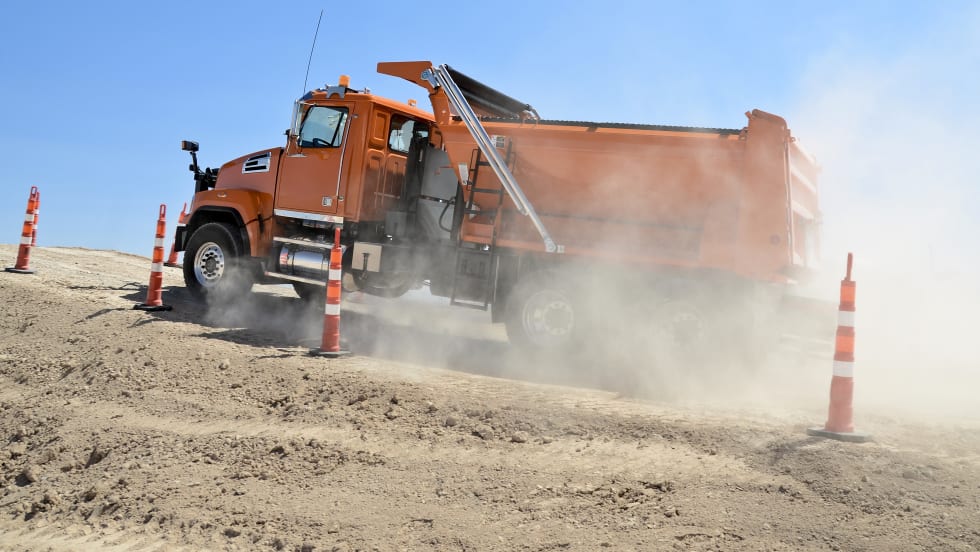
Basic Tracking vs Next Generation Fleet Technology
Fleet software is getting more sophisticated and effective than ever, tying big data models together to transform maintenance, safety, and the value of your existing tech stack. Fleet technology upgrades are undoubtedly an investment, but updated technology can offer a much higher return. Read how upgrading your fleet technology can increase the return on your investment.
Read More →
It’s here: The 2026 Fleet Technology Trends Report
What does AI mean for fleets? Get the answer — and learn other top tech trends.
Read More →
Small Fleets, Big Impact: How Independent Drivers Power Wreaths Across America
Check out how small fleets and independent drivers power Wreaths Across America each December and why their impact matters more than ever.
Read More →
VMS Survey Finds 65% of Small Fleet Managers Run Operations Alone
A new VMS survey shows small fleet managers are stretched thin, with most handling operations solo and eager to adopt digital tools for relief.
Read More →
Tips for Driving Safely on Halloween Night
This video features a reminder from the Connecticut Department of Transportation (DOT) and the Connecticut Police Chiefs Association, urging drivers to prioritize safety this Halloween.
Read More →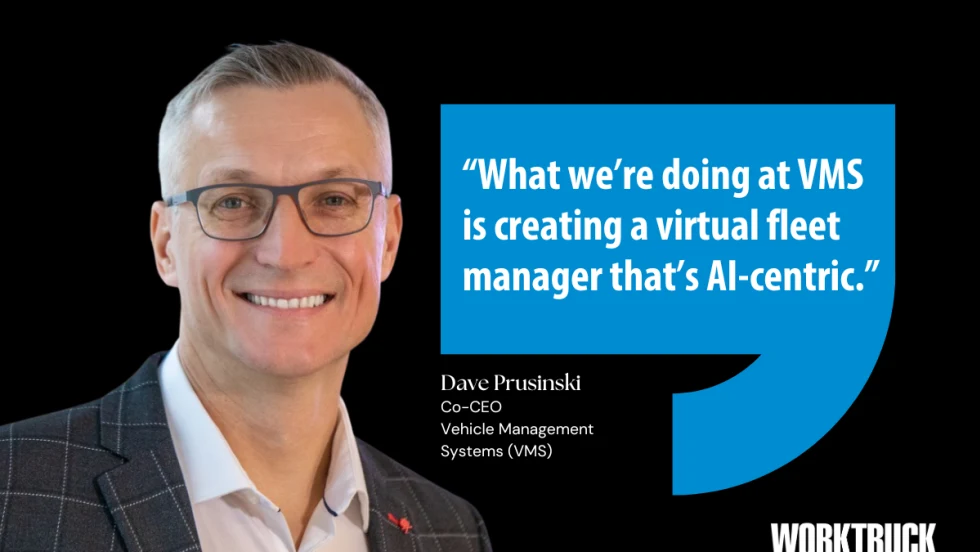
AI, Access, and Uptime: VMS’s Next Chapter with David Prusinski
VMS’s new Co-CEO, David Prusinski, shares how an AI-first approach will give small fleets and repair shops the tools to compete like big players.
Read More →