




Nissan Releases More Specs for NV200 Taxi
Nissan has released additional specifications for its NV200 taxi that went into service in New York City in December amid legal controversy that it had been given preferential treatment by the city's taxi commission.

Photo courtesy of Nissan.

Photo courtesy of Nissan.
Nissan has released additional specifications for its 2014 NV200 taxi that went into service in New York City in December amid legal controversy that it had been given preferential treatment by the city's taxi commission.
The NV200 taxi, which initially arrives for the 2014 model-year, offers four-passenger seating (not including the driver) and fuel economy rated at 23 miles per gallon city and 26 mpg highway. It gets a 14.5-gallon fuel tank.
Nissan has also released NV200 taxi's overall height (74.5 inches), overall length (186.3 inches), and turning diameter (36.7 degrees). The vehicle is powered by a 2.0L DOHC four-cylinder engine that generates 131 horsepower and 139 lb.-ft. of torque. The engine is mated to a CVT automatic transmission. The rear doors open up to 180 degrees with a 40/60 split.
The first 200 NV200 taxis went into service in New York City in late 2013. Several hundred additional taxis were delivered to dealers in Seattle, Los Angeles, Salt Lake City, and Texas, according to Nissan.
Nissan is also working on a battery-electric variant known as the e-NV200. It should be available for NYC's Taxi of Tomorrow fleet by 2017.
Originally posted on Automotive Fleet
More Small Fleet

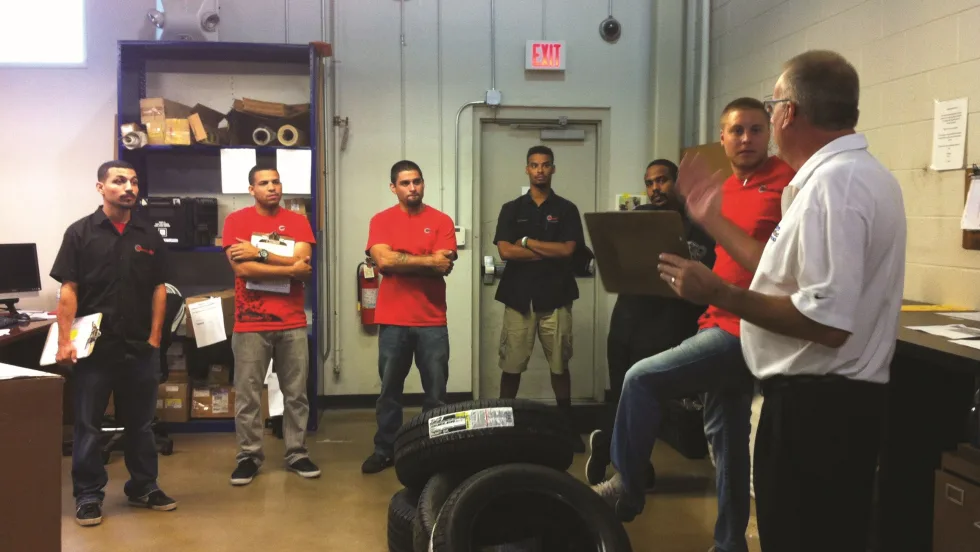
Developing Budget-Friendly Driver Safety Programs
From driver training and safety meetings to one-on-one coaching and incentive programs, several small fleets share how they have developed a safety culture with their drivers using low- to no-cost resources.
Read More →
Boosting Last-Mile Fleet Uptime, Safety, and Value with AI Vehicle Inspections
AI-powered inspections are transforming last-mile fleets by replacing manual checks with highly accurate automated scans that detect defects in seconds. By giving fleet operations visibility into the daily condition of their vehicles, you can identify trends over the vehicle’s lifecycle that enable improved procurement decisions, route management, driver training and accountability.
Read More →

Five Ways Seat Belts Help Prevent Injuries
There are five ways seat belts protect occupants from injuries, according to the Tennessee Department of Safety and Homeland Security.
Read More →
Basic Tracking vs Next Generation Fleet Technology
Fleet software is getting more sophisticated and effective than ever, tying big data models together to transform maintenance, safety, and the value of your existing tech stack. Fleet technology upgrades are undoubtedly an investment, but updated technology can offer a much higher return. Read how upgrading your fleet technology can increase the return on your investment.
Read More →
It’s here: The 2026 Fleet Technology Trends Report
What does AI mean for fleets? Get the answer — and learn other top tech trends.
Read More →
Small Fleets, Big Impact: How Independent Drivers Power Wreaths Across America
Check out how small fleets and independent drivers power Wreaths Across America each December and why their impact matters more than ever.
Read More →
VMS Survey Finds 65% of Small Fleet Managers Run Operations Alone
A new VMS survey shows small fleet managers are stretched thin, with most handling operations solo and eager to adopt digital tools for relief.
Read More →
Tips for Driving Safely on Halloween Night
This video features a reminder from the Connecticut Department of Transportation (DOT) and the Connecticut Police Chiefs Association, urging drivers to prioritize safety this Halloween.
Read More →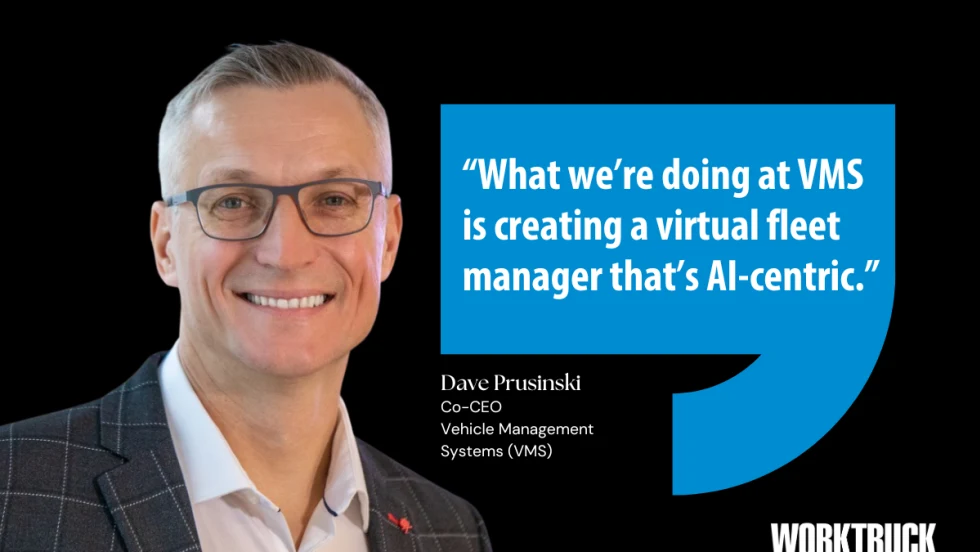
AI, Access, and Uptime: VMS’s Next Chapter with David Prusinski
VMS’s new Co-CEO, David Prusinski, shares how an AI-first approach will give small fleets and repair shops the tools to compete like big players.
Read More →