




NHTSA: Traffic Deaths Increase 7.2%
The federal government releases updated data for 2015, which indicates that one in three road fatalities involved drunk drivers or speeding.
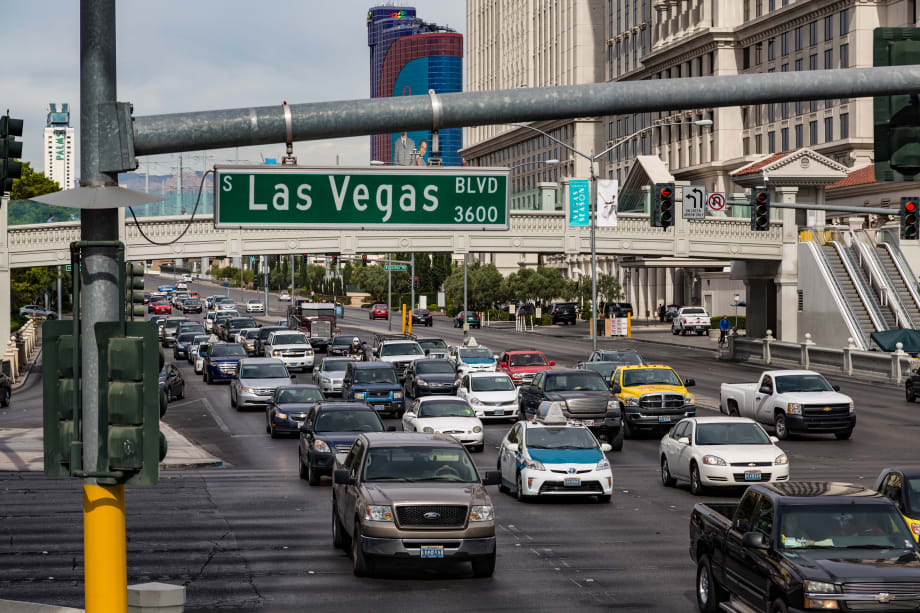
According to NHTSA, job growth and lower fuel prices were two factors that led to increased driving in 2015. Photo by Tony Webster of San Francisco via Flickr/Wikimedia Commons.
According to NHTSA, job growth and lower fuel prices were two factors that led to increased driving in 2015. Photo by Tony Webster of San Francisco via Flickr/Wikimedia Commons.
Last year saw a 7.2% increase in U.S. road fatalities compared to 2014, according to newly released updated figures from the National Highway Traffic Safety Administration.
The nation lost 35,092 people in traffic crashes in 2015, ending a five-decade trend of declining fatalities. Traffic deaths rose across nearly every segment of the population. The last single-year increase of this magnitude was in 1966, when fatalities rose 8.1% from the previous year, according to NHTSA.
Ten years ago, the number of traffic deaths was nearly 25% higher, with 42,708 fatalities reported nationwide in 2005. Since then, safety programs have helped lower the number of deaths by increasing seat belt use and reducing impaired driving. Vehicle improvements, including air bags and electronic stability control, have also contributed to reducing traffic fatalities.
“Despite decades of safety improvements, far too many people are killed on our nation’s roads every year,” said U.S. Transportation Secretary Anthony Foxx. “Solving this problem will take teamwork, so we’re issuing a call to action and asking researchers, safety experts, data scientists, and the public to analyze the fatality data and help find ways to prevent these tragedies.”
One key question is how to use statistical analysis to improve the targeting and effectiveness of behavioral-change marketing campaigns.
NHTSA will share its Fatality Analysis Reporting System (FARS) with safety partners, state and local officials, technologists, data scientists, and policy experts. And private sector partners using new data collection technologies will be offering access to unprecedented amounts of data and new visualizations tools.
According to NHTSA, job growth and low fuel prices were two factors that led to increased driving, including more leisure driving and driving by young people. More driving can contribute to higher fatality rates. In 2015, vehicle miles traveled increased 3.5% over 2014, the largest increase in nearly 25 years.
Pedestrian and bicyclist fatalities increased to a level not seen in 20 years. Motorcyclist deaths increased over 8%. NHTSA also noted human factors continued to contribute to the majority of crashes. Almost half of passenger vehicle occupants killed were not wearing seat belts.
Research also shows that almost one in three fatalities involved drunk drivers or speeding. One in 10 fatalities involved distraction.
“The data tell us that people die when they drive drunk, distracted, or drowsy, or if they are speeding or unbuckled,” said NHTSA Administrator Mark Rosekind. “While there have been enormous improvements in many of these areas, we need to find new solutions to end traffic fatalities.”
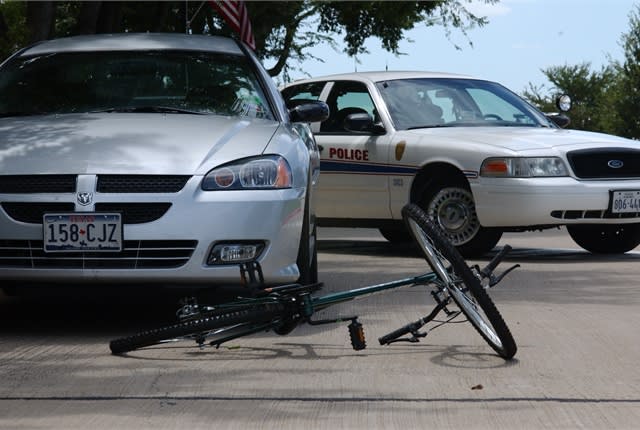
In 2015, collisions involving bicyclists climbed. In fact, pedal-cyclist fatalities increased by 89 (a 12.2% jump) and were at their highest level since 1995. Photo courtesy of NHTSA.
A number of private firms and universities are already committed to helping identify such solutions, NHTSA pointed out. They include:
StreetLight Data, a mobility analytics provider that transforms geospatial data from mobile devices into metrics that describe travel patterns. The company is providing free access to its data sets, which describe driving patterns in the vicinity of fatal crashes. Researchers and data scientists can request access to the data, which will be provided at no cost through the end of 2017.
CARTO, a leader in location intelligence using an analytical platform for geospatial data. The company is making FARS data available to the public through its platform and allowing researchers to combine data from other government and private-sector sources.
Mapbox, a mapping platform for developers. The company is developing interactive tools to better educate citizens about fatal crashes that occur around them in their daily lives. For example, Mapbox will launch an application that uses the fatality analysis data along with the firm’s directions service to show crashes along a commute route over the last five years, along with information about contributing factors such as alcohol or excessive speed.
Waze, a free, real-time traffic and navigation app. The company, part of Google, has partnered with the U.S. Department of Transportation to share data through the Connected Citizens Program. This free program helps municipal leaders harness real-time driver insights to improve congestion and make better informed planning decisions.
For more details about NHTSA's updated data on 2015 traffic fatalities, click here.
Originally posted on Automotive Fleet
More Small Fleet


Developing Budget-Friendly Driver Safety Programs
From driver training and safety meetings to one-on-one coaching and incentive programs, several small fleets share how they have developed a safety culture with their drivers using low- to no-cost resources.
Read More →
Boosting Last-Mile Fleet Uptime, Safety, and Value with AI Vehicle Inspections
AI-powered inspections are transforming last-mile fleets by replacing manual checks with highly accurate automated scans that detect defects in seconds. By giving fleet operations visibility into the daily condition of their vehicles, you can identify trends over the vehicle’s lifecycle that enable improved procurement decisions, route management, driver training and accountability.
Read More →
Five Ways Seat Belts Help Prevent Injuries
There are five ways seat belts protect occupants from injuries, according to the Tennessee Department of Safety and Homeland Security.
Read More →
It’s here: The 2026 Fleet Technology Trends Report
What does AI mean for fleets? Get the answer — and learn other top tech trends.
Read More →
Small Fleets, Big Impact: How Independent Drivers Power Wreaths Across America
Check out how small fleets and independent drivers power Wreaths Across America each December and why their impact matters more than ever.
Read More →
VMS Survey Finds 65% of Small Fleet Managers Run Operations Alone
A new VMS survey shows small fleet managers are stretched thin, with most handling operations solo and eager to adopt digital tools for relief.
Read More →
Tips for Driving Safely on Halloween Night
This video features a reminder from the Connecticut Department of Transportation (DOT) and the Connecticut Police Chiefs Association, urging drivers to prioritize safety this Halloween.
Read More →
AI, Access, and Uptime: VMS’s Next Chapter with David Prusinski
VMS’s new Co-CEO, David Prusinski, shares how an AI-first approach will give small fleets and repair shops the tools to compete like big players.
Read More →
Fleet Managers Share Winter Prep Tips: It's Never Too Early!
Three fleets share best practices to prep vehicles for winter and prevent downtime when the cold sets in.
Read More →