




NHTSA Rule to Regulate Black Box Devices
Privacy, safety concerns prompt lawmakers reconsider all types of car-tracking devices; five states currently have regulations in place.
In August, federal safety regulators outlined minimum requirements for "black boxes" in vehicles, but stopped short of mandating them, Detroit News reports. The National Highway Traffic Safety Administration (NHTSA) issued a new rule to take effect in September 2010 that says the devices, officially known as "event data recorders," must be made more durable, that all automakers must collect the same type of data from them and must notify consumers in owners’ manuals if their vehicles are equipped with the devices. NHTSA said the rule will enhance the value of automatic crash notification systems, including an enhanced 911 emergency response system under development, by making it easier for vehicles equipped with rapid crash notification features to provide information to emergency personnel. NHTSA said 64 percent of all 2005 vehicles had event data recorders, but that number has risen significantly. Unlike airplane black boxes, black boxes in cars don't record voices. They typically record the short period before an air bag deploys and then the crash itself. Without a crash being severe enough to prompt an air bag deployment, no data is recorded, according to Detroit News. Five states have adopted disclosure regulations to clarify when law enforcement may retrieve data. States are split on whether police need to obtain a warrant to get the data. Some privacy advocates have voiced concern about the data falling into the wrong hands or about "spying" on drivers. Cars can also be tracked through E-ZPass or other automatic toll payment systems. A Connecticut rental car agency used GPS devices to monitor customers' driving habits and fined them if they sped. Mindful of the concern of some drivers, some states are considering banning the practice. On July 1, a new law took effect in New Hampshire that prohibits state "surveillance" of vehicles "through the use of a camera or other imaging device or any other device, including but not limited to a transponder, cellular telephone, global positioning satellite, or radio frequency identification device."
More Small Fleet

Tips for Driving Safely on Halloween Night
This video features a reminder from the Connecticut Department of Transportation (DOT) and the Connecticut Police Chiefs Association, urging drivers to prioritize safety this Halloween.
Read More →
Simple Tire Checks That Help Keep Your Business Fleet Moving
A survey found that nearly one in every 10 passenger vehicles has at least one bald tire. What's more, 27% -- more than one in four -- of vehicles are driven with one or more severely under-inflated tires.
Read More →
Developing Budget-Friendly Driver Safety Programs
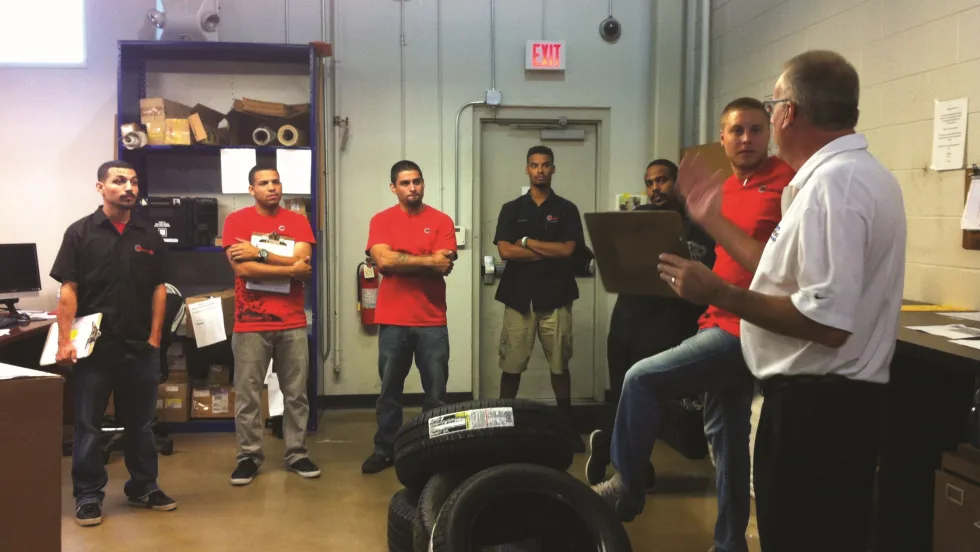
From driver training and safety meetings to one-on-one coaching and incentive programs, several small fleets share how they have developed a safety culture with their drivers using low- to no-cost resources.
Read More →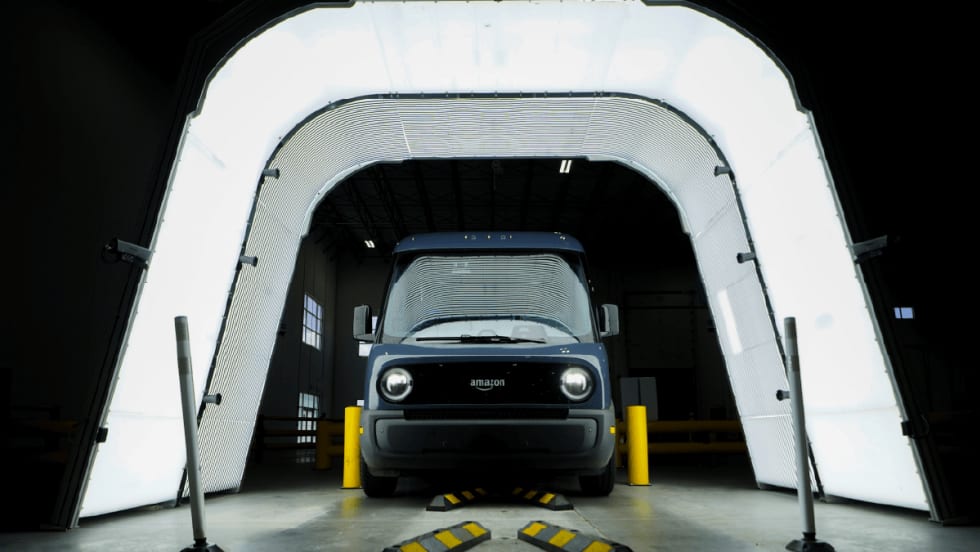
Boosting Last-Mile Fleet Uptime, Safety, and Value with AI Vehicle Inspections
AI-powered inspections are transforming last-mile fleets by replacing manual checks with highly accurate automated scans that detect defects in seconds. By giving fleet operations visibility into the daily condition of their vehicles, you can identify trends over the vehicle’s lifecycle that enable improved procurement decisions, route management, driver training and accountability.
Read More →
Five Ways Seat Belts Help Prevent Injuries
There are five ways seat belts protect occupants from injuries, according to the Tennessee Department of Safety and Homeland Security.
Read More →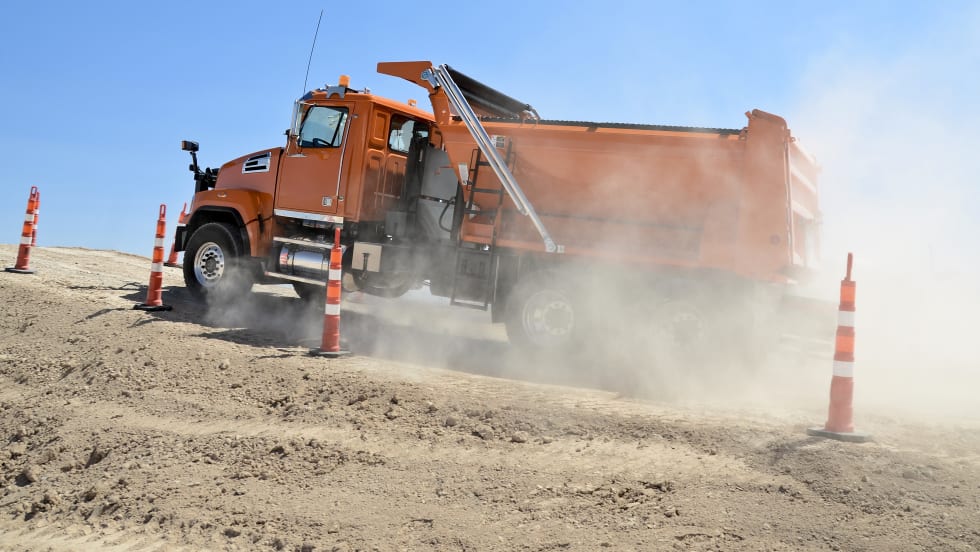
Basic Tracking vs Next Generation Fleet Technology
Fleet software is getting more sophisticated and effective than ever, tying big data models together to transform maintenance, safety, and the value of your existing tech stack. Fleet technology upgrades are undoubtedly an investment, but updated technology can offer a much higher return. Read how upgrading your fleet technology can increase the return on your investment.
Read More →
It’s here: The 2026 Fleet Technology Trends Report
What does AI mean for fleets? Get the answer — and learn other top tech trends.
Read More →
Small Fleets, Big Impact: How Independent Drivers Power Wreaths Across America
Check out how small fleets and independent drivers power Wreaths Across America each December and why their impact matters more than ever.
Read More →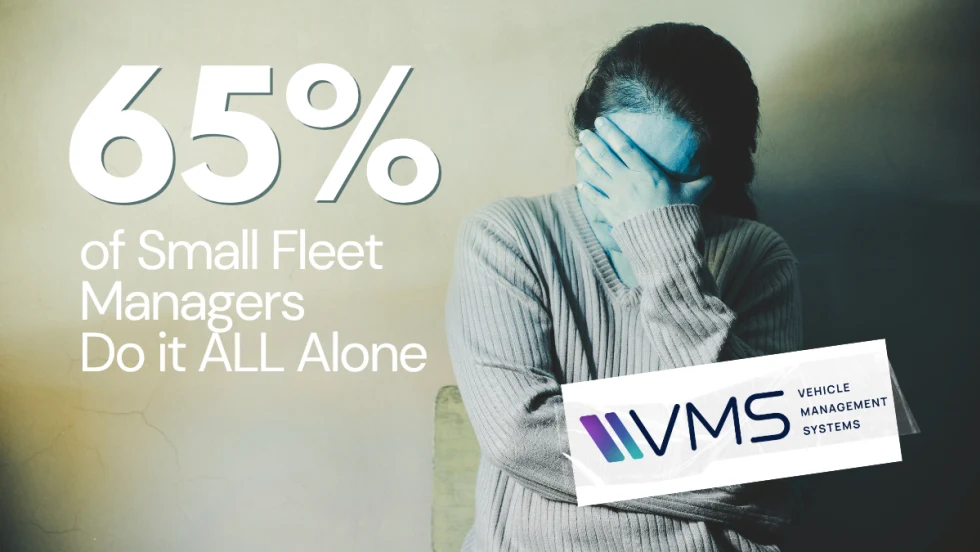
VMS Survey Finds 65% of Small Fleet Managers Run Operations Alone
A new VMS survey shows small fleet managers are stretched thin, with most handling operations solo and eager to adopt digital tools for relief.
Read More →