




NHTSA Pushes for Industry Safety Culture Shift
The new administrator of the federal safety agency has scheduled two meetings in hopes of developing strategies to better protect the driving public.
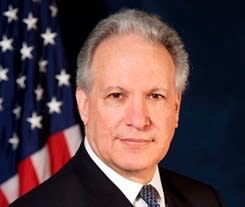
Rosekind
Rosekind
Auto manufacturing chief executives will meet this summer with federal safety officials during a summit aimed at developing ways to improve the industry’s overall safety culture.
In the wake of last year’s record-setting vehicle recalls, the head of the National Highway Traffic Safety Administration is calling for the auto industry to collectively take a more “proactive rather than reactive” approach to vehicle safety, the Detroit News reported.
NHTSA Administrator Mark Rosekind mentioned the summit plans during a roundtable session at the New York International Auto Show on April 9.
In 2014, automakers issued 803 vehicle recalls involving nearly 64 million vehicles.
During the discussion, Rosekind also noted NHTSA needs to improve its own performance. He pledged to develop a two-year strategy for doing so – with short-, medium- and long-term goals.
NHTSA has also planned an April 28 event in Washington to find solutions for improving vehicle recall completion rates. Representatives from the automakers, safety advocacy groups and government agencies are expected to participate.
The Obama administration’s highway bill includes some provisions intended to improve recall completion rates. For example, used car dealers and rental car companies would be required to complete any open-recall repairs on a vehicle before selling or renting it. The bill would also mandate that franchise dealers check for open recalls every time a vehicle is brought in for service. But Congressional support for these proposed regulations is in question.
Additionally, the bill proposes a pilot grant program in which a qualifying state DMV would check for open recalls at the time of vehicle registration. The Governors Highway Safety Association, however, has criticized this plan, arguing that state safety projects aimed at changing driver behavior are more worthy of federal funding.
“Only 2 percent of crashes are attributed to vehicle issues, while 94 percent are driver behavior related,” GHSA Chairman Kendell Poole said in a released statement. “Taking money from an already underfunded behavioral safety program to address vehicle safety needs is counterintuitive and not based on data.”
Originally posted on Automotive Fleet
More Small Fleet


Developing Budget-Friendly Driver Safety Programs
From driver training and safety meetings to one-on-one coaching and incentive programs, several small fleets share how they have developed a safety culture with their drivers using low- to no-cost resources.
Read More →
Boosting Last-Mile Fleet Uptime, Safety, and Value with AI Vehicle Inspections
AI-powered inspections are transforming last-mile fleets by replacing manual checks with highly accurate automated scans that detect defects in seconds. By giving fleet operations visibility into the daily condition of their vehicles, you can identify trends over the vehicle’s lifecycle that enable improved procurement decisions, route management, driver training and accountability.
Read More →
Five Ways Seat Belts Help Prevent Injuries
There are five ways seat belts protect occupants from injuries, according to the Tennessee Department of Safety and Homeland Security.
Read More →
It’s here: The 2026 Fleet Technology Trends Report
What does AI mean for fleets? Get the answer — and learn other top tech trends.
Read More →
Small Fleets, Big Impact: How Independent Drivers Power Wreaths Across America
Check out how small fleets and independent drivers power Wreaths Across America each December and why their impact matters more than ever.
Read More →
VMS Survey Finds 65% of Small Fleet Managers Run Operations Alone
A new VMS survey shows small fleet managers are stretched thin, with most handling operations solo and eager to adopt digital tools for relief.
Read More →
Tips for Driving Safely on Halloween Night
This video features a reminder from the Connecticut Department of Transportation (DOT) and the Connecticut Police Chiefs Association, urging drivers to prioritize safety this Halloween.
Read More →
AI, Access, and Uptime: VMS’s Next Chapter with David Prusinski
VMS’s new Co-CEO, David Prusinski, shares how an AI-first approach will give small fleets and repair shops the tools to compete like big players.
Read More →
Fleet Managers Share Winter Prep Tips: It's Never Too Early!
Three fleets share best practices to prep vehicles for winter and prevent downtime when the cold sets in.
Read More →