




NHTSA Bans Release of Auto Safety Data
The federal agency that oversees auto safety has decided - based largely on arguments from automakers and their Washington, D.C., lobbyists - that reams of data relating to unsafe automobiles or defective parts will not be available to the public. The decision was cited Saturday in a front-page New York Times story. Specifically, the government has banned the release of car and truck warranty-claims information, customer complaints and early-warning reports about defects from dealers, automakers and rental-car companies, even if media outlets or other groups push for it under the Freedom of Information Act. The rule, finalized earlier this year, is a two-paragraph decision buried deep within the Federal Register, which runs hundreds of pages each day. Few, outside automakers, their lobbyists and some public-interest groups are even aware of it. One consumer-advocacy group has sued the federal government, arguing this information should be made public and calling the decision a "paternalistic ruling that basically argues consumers are stupid and would be easily misled." Automakers, such as General Motors Corp., and the federal government say the auto-safety data should not be made public for two main reasons -- the information would give competitors too much information and it would be of little use to consumers, who might be overwhelmed or confused by all of the data.
More Small Fleet

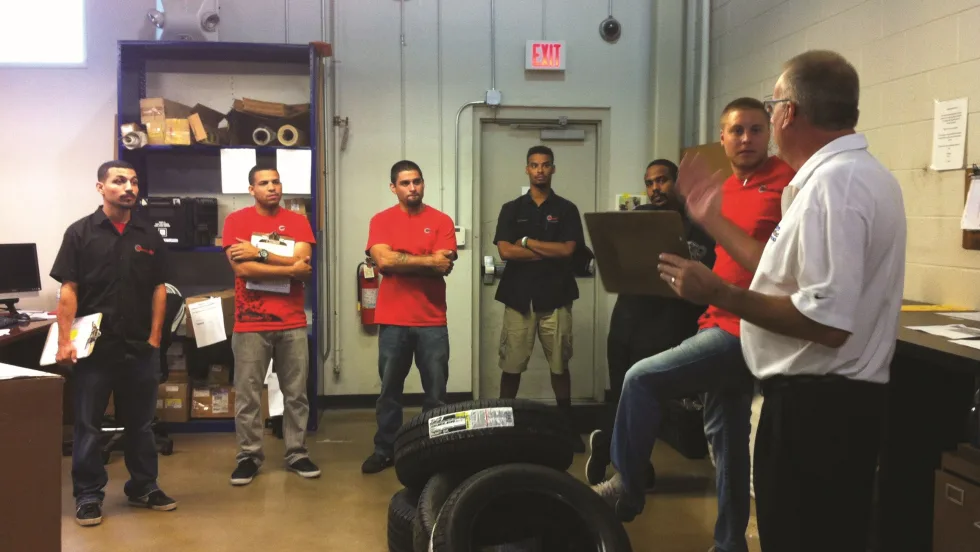
Developing Budget-Friendly Driver Safety Programs
From driver training and safety meetings to one-on-one coaching and incentive programs, several small fleets share how they have developed a safety culture with their drivers using low- to no-cost resources.
Read More →
Boosting Last-Mile Fleet Uptime, Safety, and Value with AI Vehicle Inspections
AI-powered inspections are transforming last-mile fleets by replacing manual checks with highly accurate automated scans that detect defects in seconds. By giving fleet operations visibility into the daily condition of their vehicles, you can identify trends over the vehicle’s lifecycle that enable improved procurement decisions, route management, driver training and accountability.
Read More →
Five Ways Seat Belts Help Prevent Injuries
There are five ways seat belts protect occupants from injuries, according to the Tennessee Department of Safety and Homeland Security.
Read More →
It’s here: The 2026 Fleet Technology Trends Report
What does AI mean for fleets? Get the answer — and learn other top tech trends.
Read More →
Small Fleets, Big Impact: How Independent Drivers Power Wreaths Across America
Check out how small fleets and independent drivers power Wreaths Across America each December and why their impact matters more than ever.
Read More →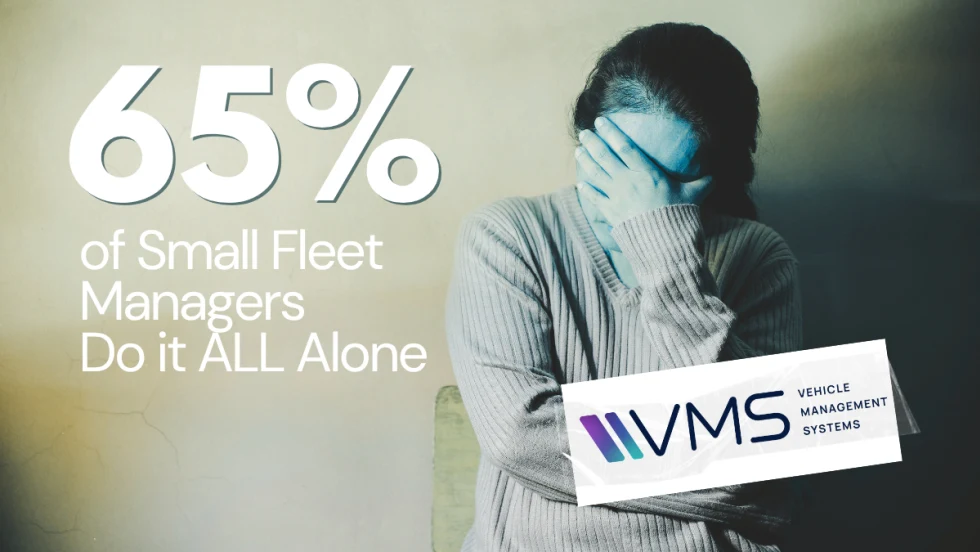
VMS Survey Finds 65% of Small Fleet Managers Run Operations Alone
A new VMS survey shows small fleet managers are stretched thin, with most handling operations solo and eager to adopt digital tools for relief.
Read More →
Tips for Driving Safely on Halloween Night
This video features a reminder from the Connecticut Department of Transportation (DOT) and the Connecticut Police Chiefs Association, urging drivers to prioritize safety this Halloween.
Read More →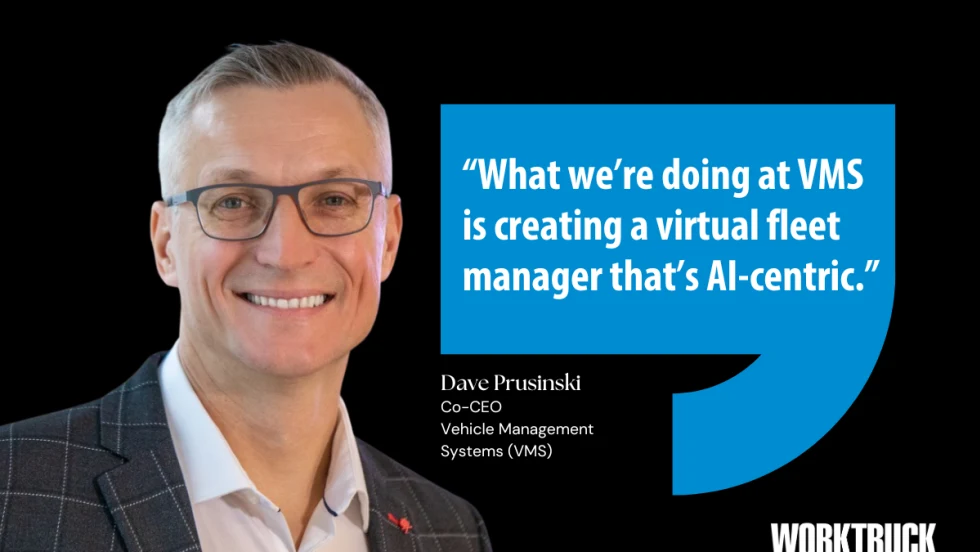
AI, Access, and Uptime: VMS’s Next Chapter with David Prusinski
VMS’s new Co-CEO, David Prusinski, shares how an AI-first approach will give small fleets and repair shops the tools to compete like big players.
Read More →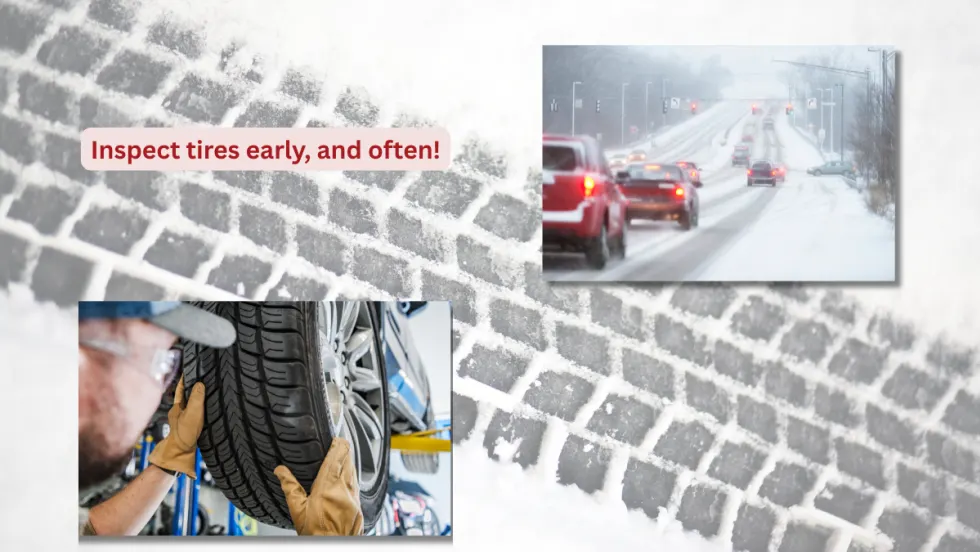
Fleet Managers Share Winter Prep Tips: It's Never Too Early!
Three fleets share best practices to prep vehicles for winter and prevent downtime when the cold sets in.
Read More →