




Nexen Tire Offers Guide to Navigating Winter and All-Weather Tire Choices
Nexen Tire offers tips on choosing between winter-weather and all-weather tires. The primary difference between tire categories lies in how they handle temperature and surface conditions.

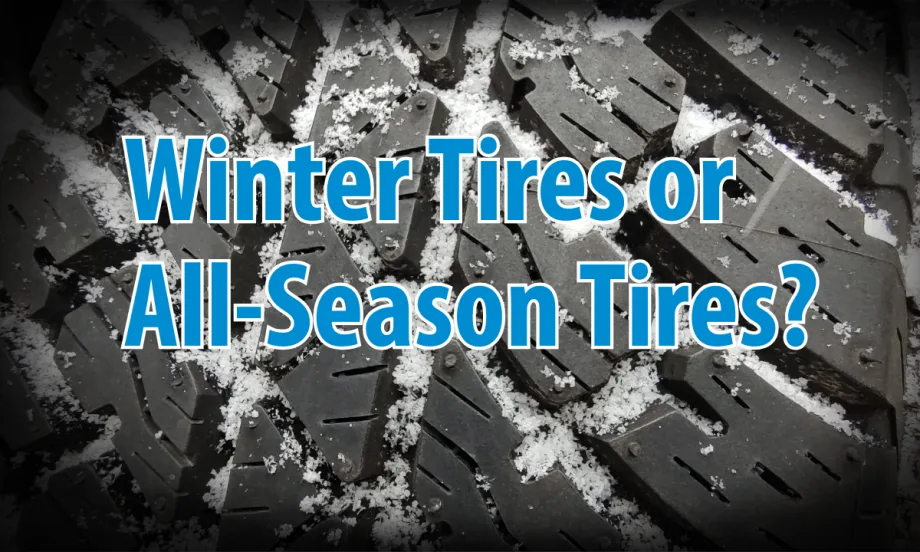
How do you choose between special winter-weather tires or all-weather tires? Here are some answers.
Credit: Wayne Parham/Work Truck
With winter here in full swing, Nexen Tire said it is clearing the confusion around winter tire choices. Here's the reality: most drivers know their tires matter more when temperatures drop, but the choice between dedicated winter tires and all-weather tires may not be clear to everyone.
With cold temperatures reducing tire pressure and tread depth being critical for traction on slick roads, proper tire maintenance is just as important as selecting the right tire for the winter season, Nexen Tire said.
The numbers tell a compelling story. A study conducted by Transport Canada on Quebec's mandatory winter tire law found that universal winter tire usage was responsible for a 5% decline in winter road accident injuries, and a 3% drop in deaths and serious road accident injuries.
Yet according to the Rubber Association of America (RMA), only 16% of drivers in the northern states with similar weather conditions use winter tires, leaving the vast majority potentially unprepared for hazardous winter conditions.
"Nexen conducts rigorous testing during development to ensure every tire meets our performance targets out in real-world conditions," said Aaron Neumann, head of Nexen Tire America's Tech Center. "Different tires have different targets depending on that product’s intended usage. Nexen develops tires well-suited for climbing icy mountain passes and tires better-suited for occasional snow in your daily commute. The goal is to make sure our customers select the right tire for their specific environment and driving patterns. Our winter lineup gives drivers options across the full spectrum, from extreme winter conditions to year-round versatility, so they can feel confident and safe when the roads get difficult."
Understanding Your Winter Tire Options
The primary difference between tire categories lies in how they handle temperature and surface conditions.
Severe Winter Conditions
For drivers facing the harshest winter conditions (think frequent ice, deep snow, and sub-zero temperatures), studded winter tires deliver the highest level of traction and grip on icy roads. Where legally permitted in the US, which varies by state, tires like the Winguard WinSpike 3 feature aggressive tread blocks that help improve braking and acceleration and a rubber compound that stays flexible in even the coldest temperatures.
Moderate Winter Climates
For those who live in more moderate climates that still see snow and cold temperatures, performance studless winter tires like the Winguard Sport 2 offer balanced performance on all types of winter road conditions, including snow-covered, wet, and dry.
This studless design delivers strong winter traction while also excelling in wet and dry conditions. Nexen Tire recommends that drivers who switch to dedicated winter tires for the colder months remember to swap them back out for all-season or summer tires once warmer weather returns, as winter tires wear faster in warm conditions.
Year-Round Versatility
For drivers opting to avoid a seasonal tire swap, premium all-weather tires provide a convenient alternative.
Nexen’s N'Blue 4 Season 2 brings all-weather versatility to passenger cars, delivering confident handling across all four seasons without seasonal changeovers.
For SUVs and light trucks, the Roadian HTX2 is engineered for highway and all-terrain applications, while the Roadian ATX tackles more aggressive off-road terrain with proven all-weather capability – ideal for drivers who need both winter performance and rugged durability. These tires use technologies like patented 3D sipes that enhance traction and snow performance.
To ensure their winter traction capability, these tires have passed the US Tire Manufacturer's Association Three-Peak Mountain Snowflake test requirement, a stringent snow traction test performed under ASTM standards and denoted by a symbol on the sidewall.
Winter Tire Maintenance: The Basics That Keep You Safe
Regardless of the type of tire selected, there are two additional considerations when conducting tire maintenance during the winter months: inflation and tread depth.
Cold temperatures lower tire pressure so drivers should check inflation pressure regularly and adjust to the vehicle’s recommended PSI shown on the placard in the door sill. Under-inflated tires wear faster, reduce fuel efficiency, and can affect your vehicle’s handling or braking.
When it comes to tread depth, the conventional knowledge regarding tire wear-out using Treadwear Indicators in the grooves or the penny check using Lincoln’s head doesn’t apply for winter driving. In fact, Finland requires a minimum of 3mm of tread depth and Germany recommends 4 mm for winter driving – both significantly deeper tread than the 1.6 mm (2/32 in) minimum in the USA.
Nexen Tire said the best rule of thumb is to use your eyes and common sense: visually inspect your tires in the winter to make sure they still have a lot of biting edges visible.
As winter weather approaches, taking the time to choose the right tire technology now can make all the difference in the months ahead.
More Maintenance
Les Schwab Expands Commercial Tire Footprint Into Arizona
Les Schwab Tires has expanded into Arizona with two commercial tire locations in Phoenix and Tucson, strengthening its fleet service footprint in the Southwest.
Read More →
Volvo Trucks’ 'Lock and Leave' Software Updates Go Live Across North America
Unattended over-the-air software updates are now available in Volvo trucks across the U.S. and Canada. The new capability lets trucks stay current with the latest software without interrupting operations or requiring a dealership visit.
Read More →
Why Technician Appreciation Can’t Be a Once-a-Year Thought
For fleets trying to keep skilled technicians, recognition cannot begin and end with Technician Appreciation Week. Learn what year-round appreciation really looks like and why the everyday technician experience matters just as much as pay when fleets are trying to keep good people.
Read More →
How Faster Driver Reporting Can Keep Small Truck Problems Small
When minor damage, warning lights, or equipment issues are reported late, small problems can quickly become bigger maintenance headaches. Conversational AI can help shorten the path from what a driver notices in the field to the person who can act on it.
Read More →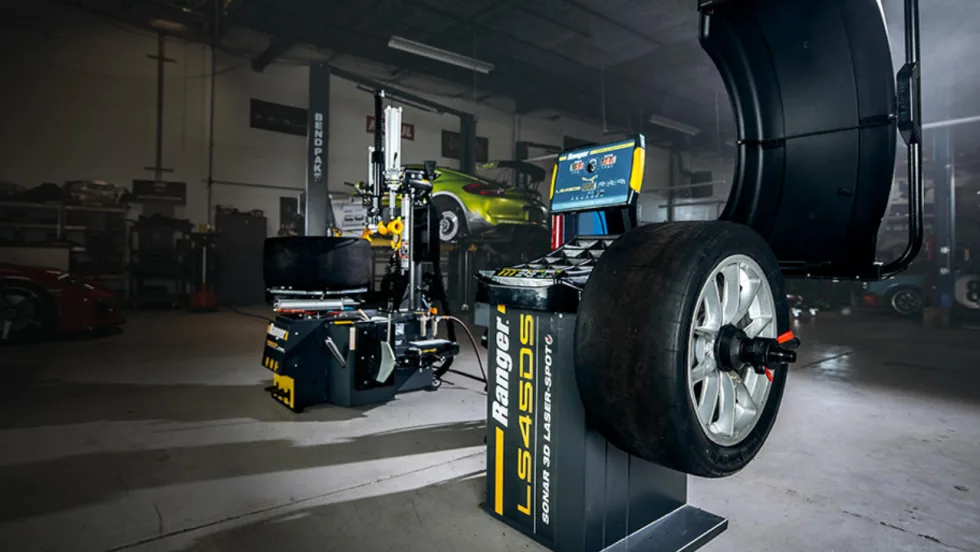
BendPak’s Ranger Wheel Service Equipment Achieves North American Safety Certification
BendPak’s full line of Ranger tire changers and wheel balancers has been ETL certified to UL and CSA standards to improve operator safety.
Read More →
Isuzu & U.S. Department of Labor Celebrate Milestone for Veterans Apprenticeship Program
The Isuzu Veterans Apprenticeship Program (IVAP) signing ceremony highlighted Isuzu’s long-term commitment to veterans, Isuzu dealers, and the skilled workforce supporting its customers and the commercial transportation industry.
Read More →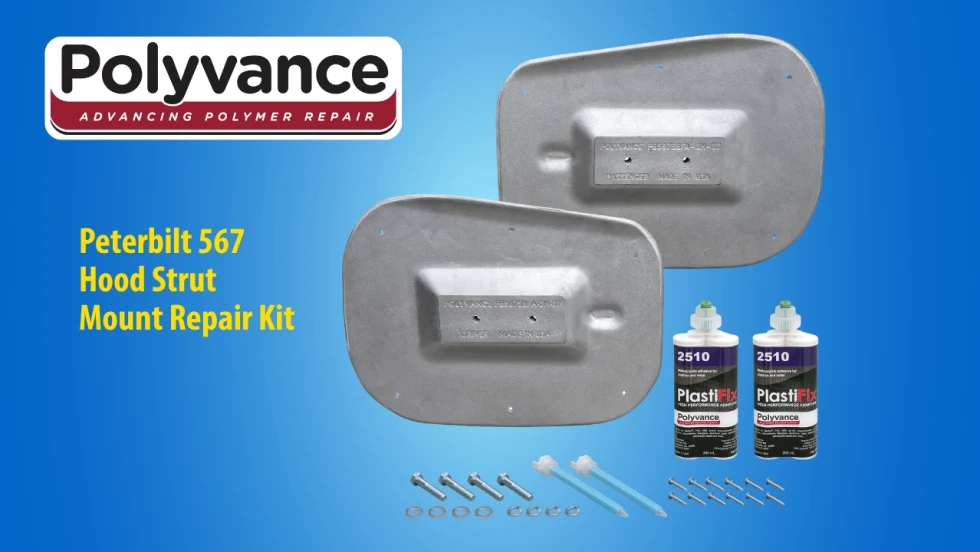
Polyvance Introduces New Peterbilt 567 Hood Strut Mount Repair Kit
Polyvance has launched a repair solution for Peterbilt 567 hood struts, helping truck owners and repair facilities avoid costly hood replacements.
Read More →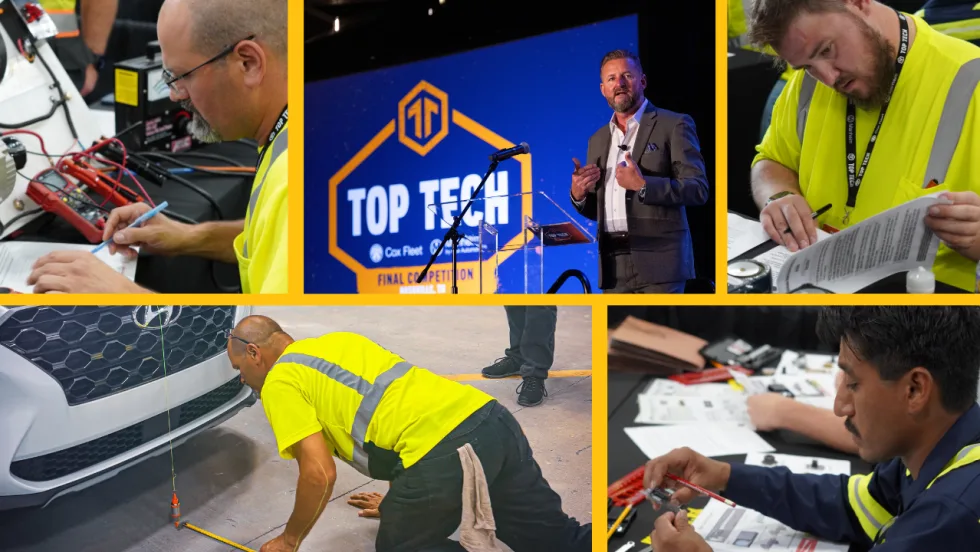
Cox Automotive Celebrates Technical Excellence at 2026 Top Tech Finals
The top technicians from Cox Fleet and Manheim tested their skills in Nashville, Tennessee, at Cox Automotive’s 2026 Top Tech Finals. The overall winners will advance to compete at the American Trucking Association’s TMC SuperTech competition.
Read More →
Grote Industries Appoints Vice President of North American Operations
Grote Industries has appointed Patrick Smith as vice president of North American operations as it celebrates 125 years of innovation and manufacturing excellence. He has more than 20 years of manufacturing leadership experience.
Read More →
Winter Fleet Prep: Expert Tips to Keep Vehicles Running Smoothly
Cold weather can expose weak batteries, tires, fuel systems, and maintenance gaps fast. Use this winter fleet checklist to prepare trucks and drivers before temperatures drop.
Read More →