




New York Passes Nation's First Statewide Cell Phone Ban for Drivers
Gov. George Pataki signed into law June 28 the nation's first statewide legislation banning the use of hand-held cell phones while driving. "By requiring drivers to put down their cell phones and pay attention to the road, this new law will help make our roads safer and save lives," Pataki said. "Too many families have suffered the tragedy of seeing a loved one injured - sometimes fatally - in an accident caused by someone who was driving and was using a cell phone." Pataki signed the bill, passed earlier this week by the state Legislature in Albany, in an outdoor ceremony at a Manhattan park. The law, slated to go into effect Nov. 1, would fine first-time violators of the ban $100. A second conviction calls for a $200 fine and every subsequent violation would cost $500. An exception is allowed for emergency 911 calls, but the legislation does not address the issue of dialing while driving. Speaker phones and CB radios are still allowed. Amid growing concerns over driver distraction, at least a dozen cities have established cell phone bans for drivers, starting in 1999 with Brooklyn, Ohio. Bans have been proposed in 40 states, according to the National Conference of State Legislatures. And at least 23 nations, including Great Britain, Italy, Israel and Japan, bar drivers from using hand-held cell phones.
More Small Fleet


Developing Budget-Friendly Driver Safety Programs
From driver training and safety meetings to one-on-one coaching and incentive programs, several small fleets share how they have developed a safety culture with their drivers using low- to no-cost resources.
Read More →
Boosting Last-Mile Fleet Uptime, Safety, and Value with AI Vehicle Inspections
AI-powered inspections are transforming last-mile fleets by replacing manual checks with highly accurate automated scans that detect defects in seconds. By giving fleet operations visibility into the daily condition of their vehicles, you can identify trends over the vehicle’s lifecycle that enable improved procurement decisions, route management, driver training and accountability.
Read More →
Five Ways Seat Belts Help Prevent Injuries
There are five ways seat belts protect occupants from injuries, according to the Tennessee Department of Safety and Homeland Security.
Read More →
It’s here: The 2026 Fleet Technology Trends Report
What does AI mean for fleets? Get the answer — and learn other top tech trends.
Read More →
Small Fleets, Big Impact: How Independent Drivers Power Wreaths Across America
Check out how small fleets and independent drivers power Wreaths Across America each December and why their impact matters more than ever.
Read More →
VMS Survey Finds 65% of Small Fleet Managers Run Operations Alone
A new VMS survey shows small fleet managers are stretched thin, with most handling operations solo and eager to adopt digital tools for relief.
Read More →
Tips for Driving Safely on Halloween Night
This video features a reminder from the Connecticut Department of Transportation (DOT) and the Connecticut Police Chiefs Association, urging drivers to prioritize safety this Halloween.
Read More →
AI, Access, and Uptime: VMS’s Next Chapter with David Prusinski
VMS’s new Co-CEO, David Prusinski, shares how an AI-first approach will give small fleets and repair shops the tools to compete like big players.
Read More →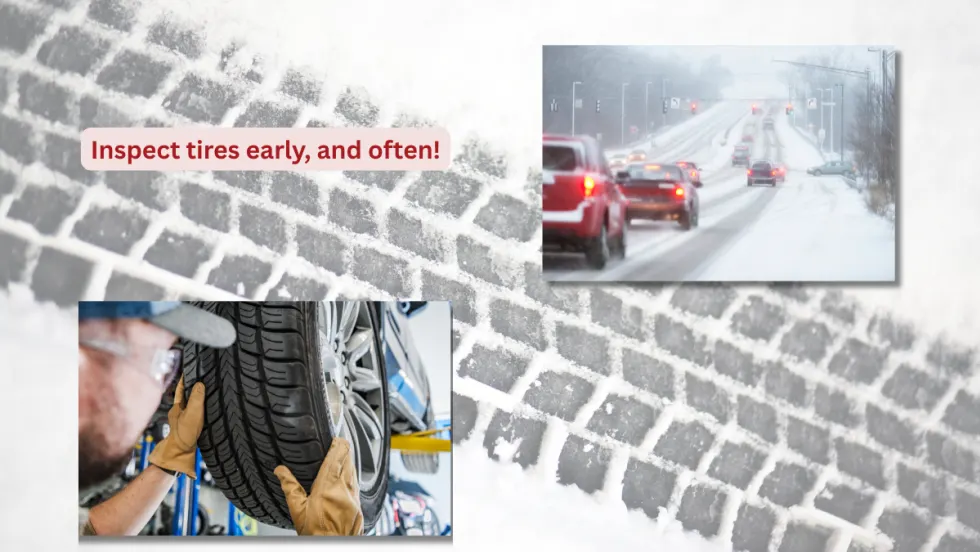
Fleet Managers Share Winter Prep Tips: It's Never Too Early!
Three fleets share best practices to prep vehicles for winter and prevent downtime when the cold sets in.
Read More →