





Related: Drivers Involved in Crashes Engage in Risky Road Behaviors, AAA Finds
New State Traffic Laws Aim to Combat Dangerous Driving
States crack down on speeding and distracted driving, and strengthen speed limit setting and ‘Move Over’ laws.
December 30, 2021
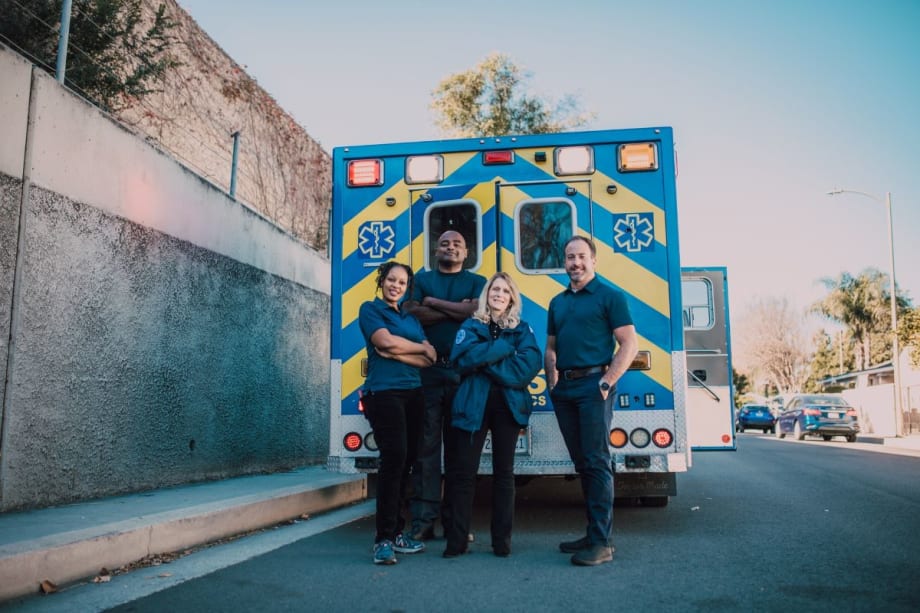
Wisconsin recently strengthened its Move Over laws.
Photo via pexels.com/RODANE Productions
2 min to read
With the New Year upon us, several states including California, Oregon, and Wisconsin are ushering in new traffic laws and enforcement efforts to help combat risky driving behaviors.
California: Cracking Down on Illegal Sideshows and Street Racing
The California Highway Patrol (CHP) has recognized a series of new traffic safety laws to punish maneuvers that threaten public safety, reports KHTS/hometownstation.com.
One such new law is designed to crack down on unlawful exhibition of speed during “sideshows” and street racing. In 2020 alone, CHP reportedly responded to over 25,000 calls involving illegal street racing activity, notes the report. Under the new law there will be stricter penalties — violators could have their driver’s license suspended for up to six months.
Oregon: Sharing Responsibility for Speed Limits
The Oregon Department of Transportation says its series of new 2022 laws will increase the equity in Oregon’s transportation system, improve safety, increase local control, and reduce greenhouse gas emissions, reports KTVZ.
Reducing speed limits, in conjunction with road design changes and increased enforcement, is one goal to improve the safety of Oregon roads. To that end, a new law includes more local control on setting speed limits. This legislation will allow some local governments, cities, and counties to set speeds on their roads, resulting in more expedient speed reductions and increased safety on local road networks.
Wisconsin: Strengthens ‘Move Over’ Law, Curbs Distracted Driving
Wisconsin motorists now face more severe penalties for distracted driving, traffic violations, and speeding around emergency vehicles and first responders, according to a report from WBAY.com/Action 2 News.
In 2020, there were 632 convictions for Move Over law violations. To combat the problem, Bill 297, defines an “emergency or roadside response area” as a section of roadway within 500 feet of an authorized emergency vehicle giving a visible signal or a tow truck displaying flashing red lamps.
The new law also creates a new crime and penalty for traffic violations that result in bodily harm when the violations occur in a road construction area, utility work area, or emergency response area. Finally, the law doubles existing fines for certain violations in any of those designated areas.
In addition, Wisconsin is cracking down on “rubberneckers” who use cell phones as they witness roadway collisions — a highly dangerous driving behavior, reports WEAU.com. Specifically, the new law bans drivers from using cell phones near crash sites — making it illegal for drivers to use handheld devices within 500 feet of a crash.
Drivers trying to capture the wreckage on their cellphones as they encounter a crash only make the crash scene worse. As more traffic approaches, another collision becomes more likely, notes the report.
Originally posted on Automotive Fleet
More Small Fleet


Developing Budget-Friendly Driver Safety Programs
From driver training and safety meetings to one-on-one coaching and incentive programs, several small fleets share how they have developed a safety culture with their drivers using low- to no-cost resources.
Read More →
Sponsored•March 9, 2026
Boosting Last-Mile Fleet Uptime, Safety, and Value with AI Vehicle Inspections
AI-powered inspections are transforming last-mile fleets by replacing manual checks with highly accurate automated scans that detect defects in seconds. By giving fleet operations visibility into the daily condition of their vehicles, you can identify trends over the vehicle’s lifecycle that enable improved procurement decisions, route management, driver training and accountability.
Read More →
Five Ways Seat Belts Help Prevent Injuries
There are five ways seat belts protect occupants from injuries, according to the Tennessee Department of Safety and Homeland Security.
Read More →
Sponsored•January 14, 2026
It’s here: The 2026 Fleet Technology Trends Report
What does AI mean for fleets? Get the answer — and learn other top tech trends.
Read More →
Small Fleets, Big Impact: How Independent Drivers Power Wreaths Across America
Check out how small fleets and independent drivers power Wreaths Across America each December and why their impact matters more than ever.
Read More →
VMS Survey Finds 65% of Small Fleet Managers Run Operations Alone
A new VMS survey shows small fleet managers are stretched thin, with most handling operations solo and eager to adopt digital tools for relief.
Read More →
Tips for Driving Safely on Halloween Night
This video features a reminder from the Connecticut Department of Transportation (DOT) and the Connecticut Police Chiefs Association, urging drivers to prioritize safety this Halloween.
Read More →
AI, Access, and Uptime: VMS’s Next Chapter with David Prusinski
VMS’s new Co-CEO, David Prusinski, shares how an AI-first approach will give small fleets and repair shops the tools to compete like big players.
Read More →
Fleet Managers Share Winter Prep Tips: It's Never Too Early!
Three fleets share best practices to prep vehicles for winter and prevent downtime when the cold sets in.
Read More →