




NBTA Survey Predicts Recovery in Business Travel
In a survey of over 200 corporations conducted by the National Business Travel Association (NBTA) last week, corporate travel managers revealed when they expected a recovery in business travel, while also outlining the actions necessary to build senior management support and to getting business travelers to schedule a trip.
The majority of those surveyed (70%) anticipate a recovery in business travel within the next three to six months, while 12% anticipate recovery in 9 months and 18% expect it to take 10 months or longer.
When asked to rate the importance of various factors in getting business travelers to schedule a trip, 71% of corporate travel managers rated the government management of security processes as extremely important. Other factors listed as extremely important were the availability of discount airfares, elimination of Saturday Night Stay rules, and the elimination of 21-day Advance Purchase restrictions.
"Ensuring passenger safety is the number one priority for getting corporations back on the road," said Marianne McInerney, Executive Director of NBTA. "Our members are very much in favor of having the government take over security procedures in our nation's aviation system." But price will also be a major factor in driving business travel, according to McInerney. "If travelers can fly safely and with good fares, they will return to air travel," she said. "Offering discounts and reducing restrictions are strong steps."
Corporate travel managers also stated that being able to ensure traveler security would be their most valuable tool over the next 6 months if business travel is to resume. This fact is especially true for smaller businesses, with annual air spend of less than $5 million, which are beginning to use internet and data collection tools more to better ensure the safety and security of their travelers.
The survey also asked corporate travel managers what the basis would be for lifting current travel restrictions put in place in response to the September 11 attacks. 46% said increased security would be the deciding factor, while 30% said the economic condition of their individual company would be the most important factor. When looking at responses geographically, most travel managers in the West view the economic condition of the company as the basis for lifting travel restrictions, while people in the East view security as the basis.
The National Business Travel Association, established in 1968, represents over 2,400 corporate travel managers and travel service providers. NBTA members manage and direct more than 70% of expenditures within the business travel industry. It is a source for critical information on the business travel industry.
More Small Fleet


Developing Budget-Friendly Driver Safety Programs
From driver training and safety meetings to one-on-one coaching and incentive programs, several small fleets share how they have developed a safety culture with their drivers using low- to no-cost resources.
Read More →
Boosting Last-Mile Fleet Uptime, Safety, and Value with AI Vehicle Inspections
AI-powered inspections are transforming last-mile fleets by replacing manual checks with highly accurate automated scans that detect defects in seconds. By giving fleet operations visibility into the daily condition of their vehicles, you can identify trends over the vehicle’s lifecycle that enable improved procurement decisions, route management, driver training and accountability.
Read More →

Five Ways Seat Belts Help Prevent Injuries
There are five ways seat belts protect occupants from injuries, according to the Tennessee Department of Safety and Homeland Security.
Read More →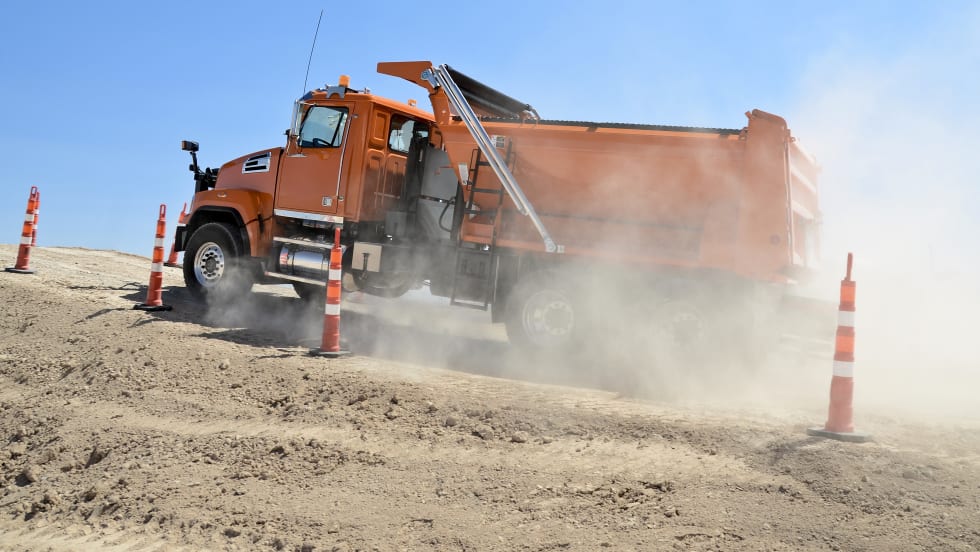
Basic Tracking vs Next Generation Fleet Technology
Fleet software is getting more sophisticated and effective than ever, tying big data models together to transform maintenance, safety, and the value of your existing tech stack. Fleet technology upgrades are undoubtedly an investment, but updated technology can offer a much higher return. Read how upgrading your fleet technology can increase the return on your investment.
Read More →
It’s here: The 2026 Fleet Technology Trends Report
What does AI mean for fleets? Get the answer — and learn other top tech trends.
Read More →
Small Fleets, Big Impact: How Independent Drivers Power Wreaths Across America
Check out how small fleets and independent drivers power Wreaths Across America each December and why their impact matters more than ever.
Read More →
VMS Survey Finds 65% of Small Fleet Managers Run Operations Alone
A new VMS survey shows small fleet managers are stretched thin, with most handling operations solo and eager to adopt digital tools for relief.
Read More →
Tips for Driving Safely on Halloween Night
This video features a reminder from the Connecticut Department of Transportation (DOT) and the Connecticut Police Chiefs Association, urging drivers to prioritize safety this Halloween.
Read More →
AI, Access, and Uptime: VMS’s Next Chapter with David Prusinski
VMS’s new Co-CEO, David Prusinski, shares how an AI-first approach will give small fleets and repair shops the tools to compete like big players.
Read More →