




National Safety Council Estimates 2013 Traffic Deaths Down 3%
According to NSC preliminary figures, 2013 road fatalities dropped back down to 2010 and 2011 levels.
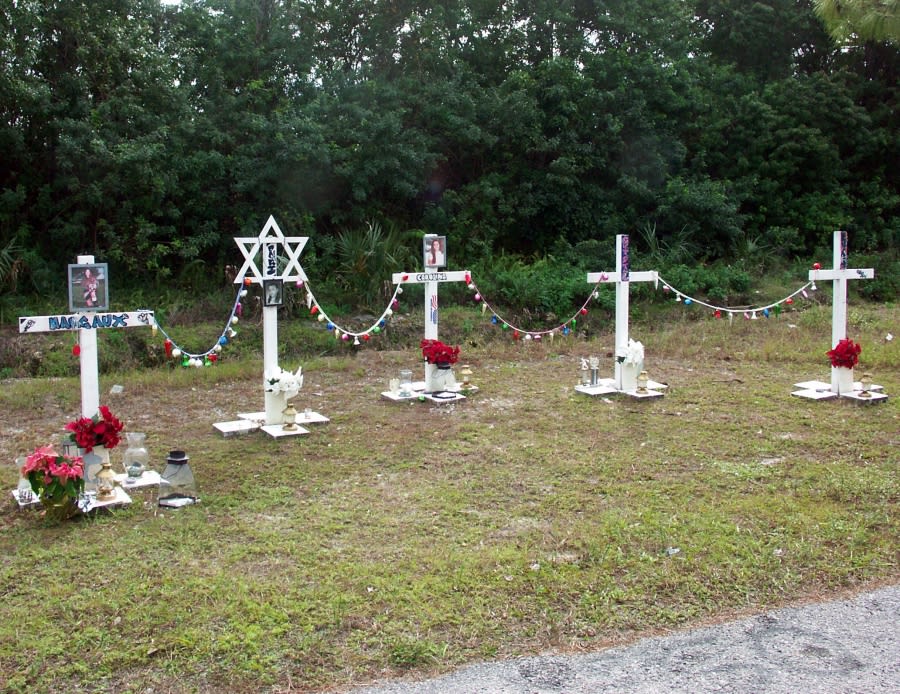
A roadside memorial after a fatal collision. Photo: AAA Foundation for Traffic Safety.
A roadside memorial after a fatal collision. Photo: AAA Foundation for Traffic Safety.
Based on preliminary calculations, the National Safety Council estimates that about 35,200 motor vehicle fatalities occurred in 2013 – down 3 percent compared to 2012 figures. Moreover, the safety group estimates that crash injuries requiring medical attention also fell by 2 percent last year to a total of 3.8 million.
Although 2013 traffic fatalities are 3 percent lower than 2012, they are 1 percent higher than 2011, NSC pointed out. The relatively high number of fatalities in 2012 appears to have been a one-year bump. The 2013 numbers have dropped back down to 2010 and 2011 levels.
“More than 90 percent of crashes are due to human error,” said John Ulczycki, vice president of strategic initiatives at the National Safety Council. “Drivers are taking a lot of risks on our roads today – people are speeding, driving impaired from alcohol and drugs, not wearing seat belts, talking on phones, reading or sending email and texts, and parents are letting teens drive before they are ready.”
Ulczycki urged the driving public to use more caution behind the wheel. “We all need to look at the risks we take and the resulting harm that may be caused to ourselves and others,” he said. “Many of these 35,200 fatalities last year surely involved people taking risks they thought they could handle. Sadly, they were wrong.”
In addition to devastating human loss, car crashes present a significant national cost in lost wages and productivity, medical expenses, administrative expenses, employer costs and property damage. The estimated cost of motor vehicle deaths, injuries and property damage in 2013 was $267.5 billion, a 3 percent decrease from 2012.
For its estimates, NSC relies on its motor vehicle fatality reporting system. Each month, traffic authorities in 50 states and the District of Columbia provide motor vehicle fatality data to the organization. This data is used to make current-year estimates based on the latest final count from the National Center for Health Statistics (NCHS).
NSC counts total motor vehicle-related fatalities that occur within a year of the crash, consistent with data compiled from death certificates by the NCHS, and includes those occurring on public roadways and private property. This differs from the methods used by the National Highway Traffic Safety Administration. The NHTSA method counts traffic fatalities that occur within 30 days of a crash and only those occurring on public roadways.
Originally posted on Automotive Fleet
More Small Fleet


Developing Budget-Friendly Driver Safety Programs
From driver training and safety meetings to one-on-one coaching and incentive programs, several small fleets share how they have developed a safety culture with their drivers using low- to no-cost resources.
Read More →
Boosting Last-Mile Fleet Uptime, Safety, and Value with AI Vehicle Inspections
AI-powered inspections are transforming last-mile fleets by replacing manual checks with highly accurate automated scans that detect defects in seconds. By giving fleet operations visibility into the daily condition of their vehicles, you can identify trends over the vehicle’s lifecycle that enable improved procurement decisions, route management, driver training and accountability.
Read More →
Five Ways Seat Belts Help Prevent Injuries
There are five ways seat belts protect occupants from injuries, according to the Tennessee Department of Safety and Homeland Security.
Read More →
It’s here: The 2026 Fleet Technology Trends Report
What does AI mean for fleets? Get the answer — and learn other top tech trends.
Read More →
Small Fleets, Big Impact: How Independent Drivers Power Wreaths Across America
Check out how small fleets and independent drivers power Wreaths Across America each December and why their impact matters more than ever.
Read More →
VMS Survey Finds 65% of Small Fleet Managers Run Operations Alone
A new VMS survey shows small fleet managers are stretched thin, with most handling operations solo and eager to adopt digital tools for relief.
Read More →
Tips for Driving Safely on Halloween Night
This video features a reminder from the Connecticut Department of Transportation (DOT) and the Connecticut Police Chiefs Association, urging drivers to prioritize safety this Halloween.
Read More →
AI, Access, and Uptime: VMS’s Next Chapter with David Prusinski
VMS’s new Co-CEO, David Prusinski, shares how an AI-first approach will give small fleets and repair shops the tools to compete like big players.
Read More →
Fleet Managers Share Winter Prep Tips: It's Never Too Early!
Three fleets share best practices to prep vehicles for winter and prevent downtime when the cold sets in.
Read More →