




More Calif. Drivers Using Cell Phones, Study Finds
Observational research shows a 39-percent increase in California motorists using a cell phone while driving, compared to last year.
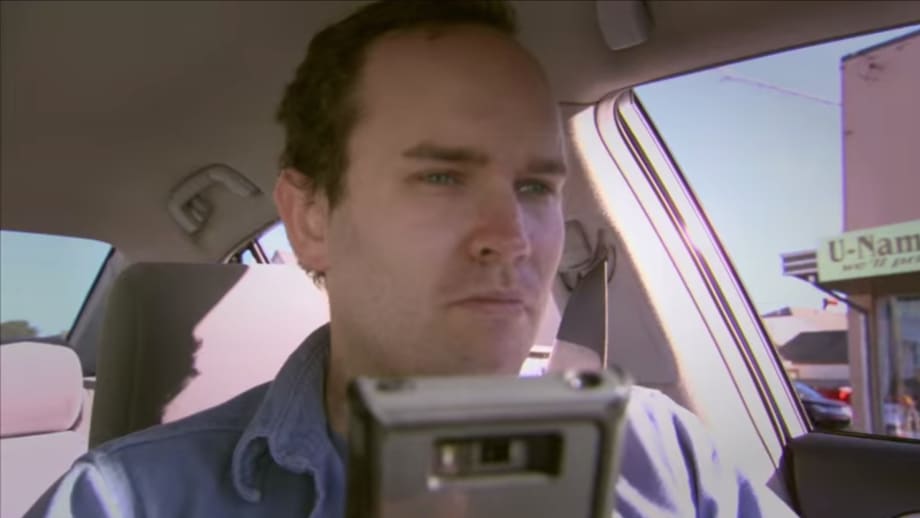
Screen shot courtesy of Caltrans via YouTube.
Screen shot courtesy of Caltrans via YouTube.
A newly released study indicates a 39-percent increase in California motorists using a cell phone while driving, compared to last year's research numbers.
The California Office of Traffic Safety (OTS) and the California Highway Patrol (CHP) released the study on July 14.
OTS and the University of California, Berkeley Safe Transportation Research and Education Center conducted the research, observing and tracking the motorist behavior. This year, 9.2 percent of drivers were spotted using a cell phone while driving, up from 6.6 percent of drivers in 2014. The highest level recorded since research began was 10.8 percent of motorists using a cell phone in 2012.
“It’s shocking that nearly 10 percent of motorists were observed using their cell phones while driving a motor vehicle, a potentially lethal combination,” said OTS Director Ronda Craft. “We will continue our aggressive public outreach campaign and our partnership with law enforcement to educate the public about the dangers of those who drive distracted and put the lives of others at risk.”
To access the full report, click here.
During April’s Distracted Driving Awareness Month, approximately 250 law enforcement agencies across California ticketed more than 46,000 drivers using a cell phone while driving. That number is roughly double the number of tickets issued during the average month. Although there were fewer citations for handheld talking on cell phones, law enforcement wrote 35 percent more tickets for texting-while-driving compared to 2014.
“Discouraging drivers from operating a vehicle while distracted is a challenge that law enforcement is faced with year-round,” said CHP Commissioner Joe Farrow. “By raising awareness through education and enforcement, we are working toward changing the dangerous behavior of using a cell phone while driving – and the purpose is to save lives.”
According to the National Highway Traffic Safety Administration, 80 percent of vehicle crashes involve some sort of driver inattention and approximately 3,000 people were killed nationwide last year in collisions involving a distracted driver. Texting takes a driver’s eyes off the road for an average of five seconds – enough time to travel the length of a football field, essentially driving blindfolded for 120 yards.
A public awareness campaign, “Silence the Distraction,” accompanied April’s law enforcement effort. A tour of 11 community college campuses in California spread the message of traffic safety with interactive games, information booths, and student involvement.
OTS also sponsors TV commercials depicting how distracting text messages can make it seem like the car is full of demanding people screaming for a driver’s attention. The state’s Department of Transportation, Caltrans, is also supporting the public outreach efforts with changeable message signs warning about the dangers of texting or talking while driving.
Originally posted on Automotive Fleet
More Small Fleet


Developing Budget-Friendly Driver Safety Programs
From driver training and safety meetings to one-on-one coaching and incentive programs, several small fleets share how they have developed a safety culture with their drivers using low- to no-cost resources.
Read More →
Boosting Last-Mile Fleet Uptime, Safety, and Value with AI Vehicle Inspections
AI-powered inspections are transforming last-mile fleets by replacing manual checks with highly accurate automated scans that detect defects in seconds. By giving fleet operations visibility into the daily condition of their vehicles, you can identify trends over the vehicle’s lifecycle that enable improved procurement decisions, route management, driver training and accountability.
Read More →
Five Ways Seat Belts Help Prevent Injuries
There are five ways seat belts protect occupants from injuries, according to the Tennessee Department of Safety and Homeland Security.
Read More →
It’s here: The 2026 Fleet Technology Trends Report
What does AI mean for fleets? Get the answer — and learn other top tech trends.
Read More →
Small Fleets, Big Impact: How Independent Drivers Power Wreaths Across America
Check out how small fleets and independent drivers power Wreaths Across America each December and why their impact matters more than ever.
Read More →
VMS Survey Finds 65% of Small Fleet Managers Run Operations Alone
A new VMS survey shows small fleet managers are stretched thin, with most handling operations solo and eager to adopt digital tools for relief.
Read More →
Tips for Driving Safely on Halloween Night
This video features a reminder from the Connecticut Department of Transportation (DOT) and the Connecticut Police Chiefs Association, urging drivers to prioritize safety this Halloween.
Read More →
AI, Access, and Uptime: VMS’s Next Chapter with David Prusinski
VMS’s new Co-CEO, David Prusinski, shares how an AI-first approach will give small fleets and repair shops the tools to compete like big players.
Read More →
Fleet Managers Share Winter Prep Tips: It's Never Too Early!
Three fleets share best practices to prep vehicles for winter and prevent downtime when the cold sets in.
Read More →