




Missing an Hour or Two of Sleep Doubles Crash Risk
A new study from AAA Foundation highlights the dangers of getting less than the recommended minimum of seven hours of sleep each night.

Photo courtesy of AAA Foundation for Traffic Safety.

Photo courtesy of AAA Foundation for Traffic Safety.
Drivers who miss between one to two hours of the recommended minimum of seven hours of sleep in a 24-hour period nearly double their risk for a crash, according to new research from the AAA Foundation for Traffic Safety.
The finding is especially alarming since, according to the Centers for Disease Control and Prevention, 35% of U.S. drivers sleep less than the recommended minimum of seven hours daily. And with drowsy driving involved in more than one in five fatal crashes on U.S. roadways each year, AAA warns drivers that getting less than seven hours of sleep may have deadly consequences.
“You cannot miss sleep and still expect to be able to safely function behind the wheel,” said Dr. David Yang, executive director for the AAA Foundation for Traffic Safety. “Our new research shows that a driver who has slept for less than five hours has a crash risk comparable to someone driving drunk.”
The AAA Foundation for Traffic Safety’s report, Acute Sleep Deprivation and Risk of Motor Vehicle Crash Involvement, reveals that drivers missing two to three hours of sleep in a 24-hour period more than quadrupled their risk of a crash compared to drivers getting the recommended seven hours of sleep. This is the same crash risk the National Highway Traffic Safety Administration associates with driving over the legal limit for alcohol.
The AAA Foundation report found that in a 24-hour period, crash risk for sleep-deprived drivers increased steadily when compared to drivers who slept the recommended seven hours or more:
Six to seven hours of sleep: 1.3 times the crash risk
Five to six hours of sleep: 1.9 times the crash risk
Four to five hours of sleep: 4.3 times the crash risk
Less than four hours of sleep: 11.5 times the crash risk.
While 97% of drivers told the AAA Foundation they view drowsy driving as a completely unacceptable behavior that poses a serious threat to their safety, nearly one in three admitted that at least once in the past month they drove when they were so tired they had a hard time keeping their eyes open.
“Managing a healthy work-life balance can be difficult and far too often we sacrifice our sleep as a result,” said Jake Nelson, director of traffic safety advocacy and research for AAA. “Failing to maintain a healthy sleep schedule could mean putting yourself or others on the road at risk.”
Symptoms of drowsy driving can include having trouble keeping eyes open, drifting from lanes, or not remembering the last few miles driven. However, more than half of drivers involved in fatigue-related crashes experienced no symptoms before falling asleep behind the wheel.
AAA urges drivers to not rely on their bodies to provide warning signs of fatigue and should instead prioritize getting plenty of sleep — at least seven hours — in their daily schedules.
For longer trips, AAA recommends that drivers also:
Travel at times when normally awake
Schedule a break every two hours or every 100 miles
Avoid heavy foods
Travel with an alert passenger and take turns driving
Avoid medications that cause drowsiness or other impairment.
The AAA Foundation report is based on the analysis of a representative sample of 7,234 drivers involved in 4,571 crashes. All data are from NHTSA’s National Motor Vehicle Crash Causation Survey, which comprises a representative sample of police-reported crashes that involved at least one vehicle that was towed from the scene and resulted in emergency medical services being dispatched to the scene.
Originally posted on Automotive Fleet
More Small Fleet

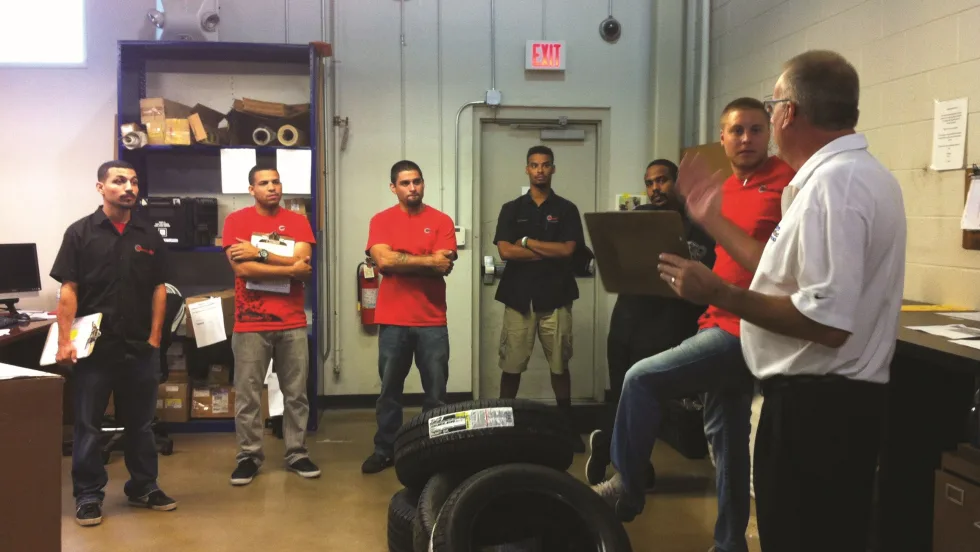
Developing Budget-Friendly Driver Safety Programs
From driver training and safety meetings to one-on-one coaching and incentive programs, several small fleets share how they have developed a safety culture with their drivers using low- to no-cost resources.
Read More →
Boosting Last-Mile Fleet Uptime, Safety, and Value with AI Vehicle Inspections
AI-powered inspections are transforming last-mile fleets by replacing manual checks with highly accurate automated scans that detect defects in seconds. By giving fleet operations visibility into the daily condition of their vehicles, you can identify trends over the vehicle’s lifecycle that enable improved procurement decisions, route management, driver training and accountability.
Read More →

Five Ways Seat Belts Help Prevent Injuries
There are five ways seat belts protect occupants from injuries, according to the Tennessee Department of Safety and Homeland Security.
Read More →
Basic Tracking vs Next Generation Fleet Technology
Fleet software is getting more sophisticated and effective than ever, tying big data models together to transform maintenance, safety, and the value of your existing tech stack. Fleet technology upgrades are undoubtedly an investment, but updated technology can offer a much higher return. Read how upgrading your fleet technology can increase the return on your investment.
Read More →
It’s here: The 2026 Fleet Technology Trends Report
What does AI mean for fleets? Get the answer — and learn other top tech trends.
Read More →
Small Fleets, Big Impact: How Independent Drivers Power Wreaths Across America
Check out how small fleets and independent drivers power Wreaths Across America each December and why their impact matters more than ever.
Read More →
VMS Survey Finds 65% of Small Fleet Managers Run Operations Alone
A new VMS survey shows small fleet managers are stretched thin, with most handling operations solo and eager to adopt digital tools for relief.
Read More →
Tips for Driving Safely on Halloween Night
This video features a reminder from the Connecticut Department of Transportation (DOT) and the Connecticut Police Chiefs Association, urging drivers to prioritize safety this Halloween.
Read More →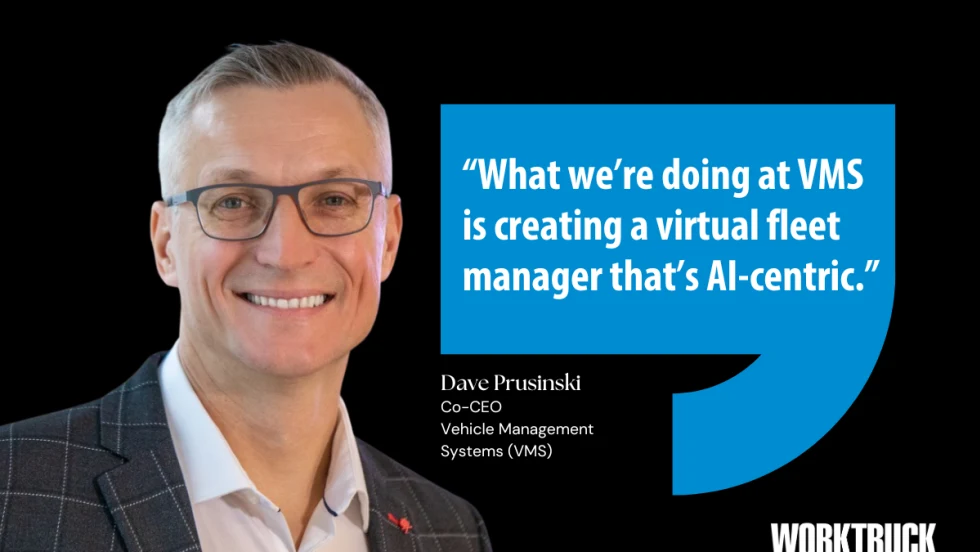
AI, Access, and Uptime: VMS’s Next Chapter with David Prusinski
VMS’s new Co-CEO, David Prusinski, shares how an AI-first approach will give small fleets and repair shops the tools to compete like big players.
Read More →