




Further Reading
Miele First Fleet Customer to Take Hydrogen Van
The Miele fleet in Germany has scored a first: a hydrogen fuel cell e-van has gone into service for the premium domestic appliance maker in the Rhine-Main region of Germany. The Vivaro-e Hydrogen fuel cell electric vehicle is the first off the Opel production line, offering the Miele fleet a range of 249 miles and a refueling time of just three minutes.
by Ralph Morton
December 10, 2021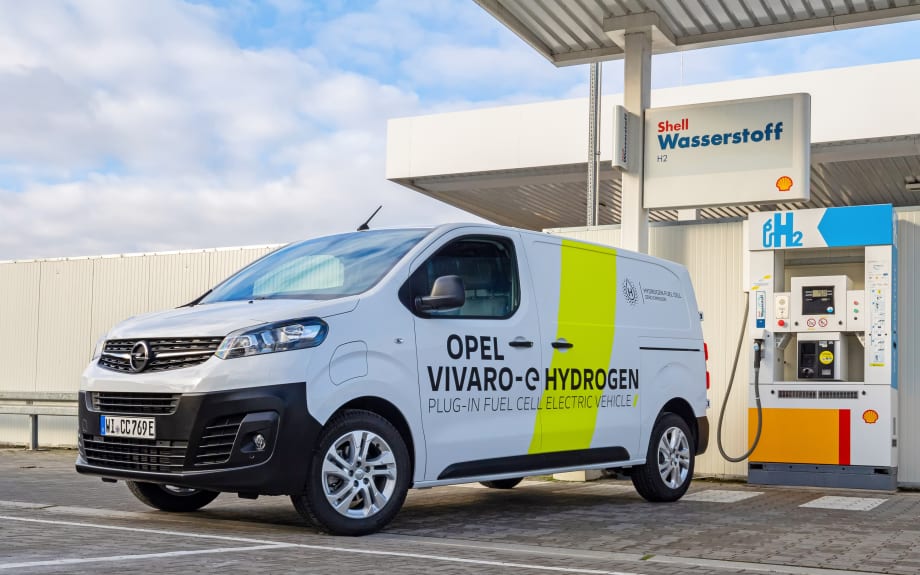
The first Opel Vivaro-e hydrogen fuel cell commercial van has gone into service with the Miele fleet.
[EMPTY CREDIT]
2 min to read
The Miele fleet in Germany has scored a first: a hydrogen fuel cell e-van has gone into service for the premium domestic appliance maker in the Rhine-Main region of Germany.
The Vivaro-e Hydrogen fuel cell electric vehicle is the first off the Opel production line, offering the Miele fleet a range of 249 miles and a refueling time of just three minutes.
The Vivaro-e Hydrogen van is part of Miele’s decarbonization plans to reduce carbon emissions of its fleet by at least 30 percent worldwide by 2030 compared with the 21,920 tons of CO2-equivalent generated in 2019. Partnering with OEMs such as Opel to test sustainable light commercial vehicles, it has become the first to test the hydrogen fueled commercial vehicle.
Marcus Lott, Opel head of development, said:
[EMPTY CREDIT]
“The new Vivaro-e Hydrogen perfectly meets the requirements of fleet customers. The hydrogen van is the ideal solution for driving long distances with zero-emissions-in-use as well as for transporting larger loads without losing time while charging the batteries. The Opel Vivaro-e Hydrogen leads zero-emissions mobility into the future, especially for commercial use.”
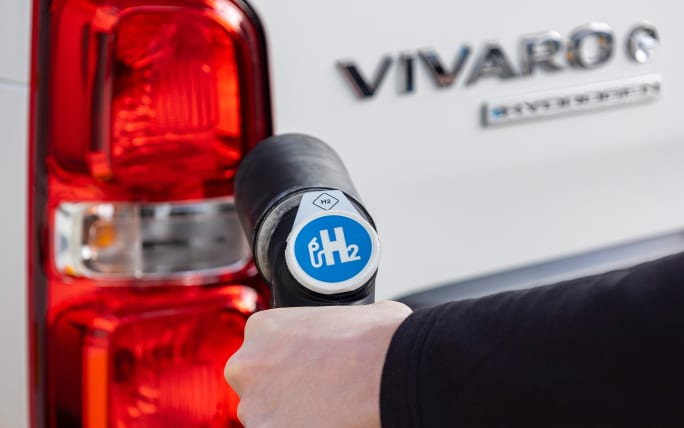
Based on the existing battery-electric Opel Vivaro-e, the hydrogen version of the 2021 ‘International Van of the Year’ also carries a 10.5-kWh lithium-ion battery to provide peak power when required, for example, at start-up and under acceleration, allowing the fuel cell to run at optimum operating conditions.
The plug-in capability also allows this battery to be recharged if necessary, providing 31 miles of pure battery electric range.
While the Vivaro-e’s powertrain is unconventional, there’s no compromise on load space, providing up to 5.3 m3 or 6.1 m3 of cargo volume depending on medium wheelbase (4.95 cm) and long wheelbase (5.30 m) choice with up to 1,000 kg of payload - the same as its conventionally powered stablemates.
In the UK, the Vauxhall version of the Stellantis-owned Opel brand is actively speaking to fleets about onboarding the hydrogen van in 2023 when the right-hand drive version becomes available. The van made its UK debut at the CV Show in September, alongside the world debuts of the electric Movano-e and Combo-e, giving Vauxhall a zero emission alternative across its light commercial range.
The hydrogen Vivaro-e is being built at the Russelsheim facility in Germany.
Topics:United KingdomSustainabilityOpelAlternative FuelsEuropean operatorshydrogen fuel cellSmall Fleet
Originally posted on Automotive Fleet
More Small Fleet


Developing Budget-Friendly Driver Safety Programs
From driver training and safety meetings to one-on-one coaching and incentive programs, several small fleets share how they have developed a safety culture with their drivers using low- to no-cost resources.
Read More →
Sponsored•March 9, 2026
Boosting Last-Mile Fleet Uptime, Safety, and Value with AI Vehicle Inspections
AI-powered inspections are transforming last-mile fleets by replacing manual checks with highly accurate automated scans that detect defects in seconds. By giving fleet operations visibility into the daily condition of their vehicles, you can identify trends over the vehicle’s lifecycle that enable improved procurement decisions, route management, driver training and accountability.
Read More →
Five Ways Seat Belts Help Prevent Injuries
There are five ways seat belts protect occupants from injuries, according to the Tennessee Department of Safety and Homeland Security.
Read More →
Sponsored•January 14, 2026
It’s here: The 2026 Fleet Technology Trends Report
What does AI mean for fleets? Get the answer — and learn other top tech trends.
Read More →
Small Fleets, Big Impact: How Independent Drivers Power Wreaths Across America
Check out how small fleets and independent drivers power Wreaths Across America each December and why their impact matters more than ever.
Read More →
VMS Survey Finds 65% of Small Fleet Managers Run Operations Alone
A new VMS survey shows small fleet managers are stretched thin, with most handling operations solo and eager to adopt digital tools for relief.
Read More →
Tips for Driving Safely on Halloween Night
This video features a reminder from the Connecticut Department of Transportation (DOT) and the Connecticut Police Chiefs Association, urging drivers to prioritize safety this Halloween.
Read More →
AI, Access, and Uptime: VMS’s Next Chapter with David Prusinski
VMS’s new Co-CEO, David Prusinski, shares how an AI-first approach will give small fleets and repair shops the tools to compete like big players.
Read More →
Fleet Managers Share Winter Prep Tips: It's Never Too Early!
Three fleets share best practices to prep vehicles for winter and prevent downtime when the cold sets in.
Read More →