




Medical Transit Fleet Adds 5 Propane Autogas Vans
Salem, Ore.-based medical transit service Willamette Valley Transport expects to save around $18,000 annually on fuel costs and significantly reduce greenhouse gas emissions with five new propane autogas vans.
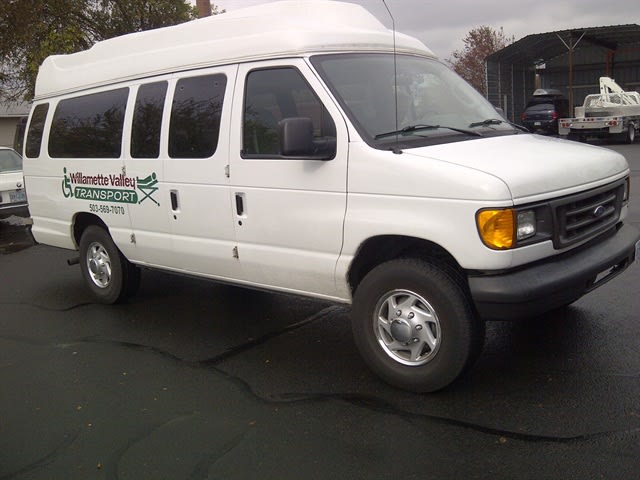
A converted van from Willamette Valley Transport.

A converted van from Willamette Valley Transport.
Salem, Ore.-based medical transit service Willamette Valley Transport (WVT) expects to save around $18,000 annually on fuel costs and significantly reduce greenhouse gas emissions with five new propane autogas vans. Blue Star Gas is helping the Pacific Northwest fleet switch to autogas through a complete program of vehicle conversions, clean fueling, training and ongoing support.
WVT vans travel between 25,000-30,000 miles each year, serving Marion, Polk and Yamhill counties in Oregon. Owner Timothy McClain is in the process of updating his fleet with newer vehicles, converting each new model to propane autogas as he purchases them. He plans to switch a total of 10 vans to autogas and has converted two Ford E-250s and three Chevy Express 3500s.

In addition to coordinating vehicle conversions and supplying fuel for the transport company, Blue Star Gas installed an on-site autogas fuel station at Willamette Valley Transport's home base.
The fleet will also recoup 50-cents-per-gallon thanks to the recently extended federal alternative fuel tax credit, which will save them an additional $8,400 for five propane-powered vehicles. Once all 10 vehicles are up and running on autogas, WVT will save an estimated $36,000 annually on fuel costs and an extra $16,800 with the tax credit.
As part of Alliance AutoGas, Blue Star Gas provides West Coast fleets from California to Seattle with a complete program to switch to propane autogas.
In addition to coordinating vehicle conversions and supplying fuel for WVT, Blue Star Gas installed an on-site autogas fuel station at the company's home base for convenient refueling. The company just opened a public autogas fueling location adjacent to the Portland airport to provide fuel for WVT’s northern fleet, as well as other fleets in the area, and WVT vans can also refuel at public Blue Star Gas stations in Salem and McMinnville.
WVT serves patients who need wheelchair and non-emergency stretcher transportation, utilizing specially equipped vehicles outfitted with wheelchair lifts and wheelchair securement stations inside.
Drivers can help patients in and out of their homes for doctors’ office visits, transport them home from the hospital, check patients into their medical appointments, and schedule a return ride or remain with a patient at their appointment when requested.
Related feature: Small Fleet Paths to Propane Autogas
More Small Fleet


Developing Budget-Friendly Driver Safety Programs
From driver training and safety meetings to one-on-one coaching and incentive programs, several small fleets share how they have developed a safety culture with their drivers using low- to no-cost resources.
Read More →
Boosting Last-Mile Fleet Uptime, Safety, and Value with AI Vehicle Inspections
AI-powered inspections are transforming last-mile fleets by replacing manual checks with highly accurate automated scans that detect defects in seconds. By giving fleet operations visibility into the daily condition of their vehicles, you can identify trends over the vehicle’s lifecycle that enable improved procurement decisions, route management, driver training and accountability.
Read More →
Five Ways Seat Belts Help Prevent Injuries
There are five ways seat belts protect occupants from injuries, according to the Tennessee Department of Safety and Homeland Security.
Read More →
It’s here: The 2026 Fleet Technology Trends Report
What does AI mean for fleets? Get the answer — and learn other top tech trends.
Read More →
Small Fleets, Big Impact: How Independent Drivers Power Wreaths Across America
Check out how small fleets and independent drivers power Wreaths Across America each December and why their impact matters more than ever.
Read More →
VMS Survey Finds 65% of Small Fleet Managers Run Operations Alone
A new VMS survey shows small fleet managers are stretched thin, with most handling operations solo and eager to adopt digital tools for relief.
Read More →
Tips for Driving Safely on Halloween Night
This video features a reminder from the Connecticut Department of Transportation (DOT) and the Connecticut Police Chiefs Association, urging drivers to prioritize safety this Halloween.
Read More →
AI, Access, and Uptime: VMS’s Next Chapter with David Prusinski
VMS’s new Co-CEO, David Prusinski, shares how an AI-first approach will give small fleets and repair shops the tools to compete like big players.
Read More →
Fleet Managers Share Winter Prep Tips: It's Never Too Early!
Three fleets share best practices to prep vehicles for winter and prevent downtime when the cold sets in.
Read More →