





Related: Sustainability Inertia: The Fear of Getting Ahead of the Curve
Major Companies Accelerate EV Fleet Transition Through New Alliance
Several fleets have joined the Corporate Electric Vehicle Alliance to advance their commitments to fleet electrification.
January 22, 2020
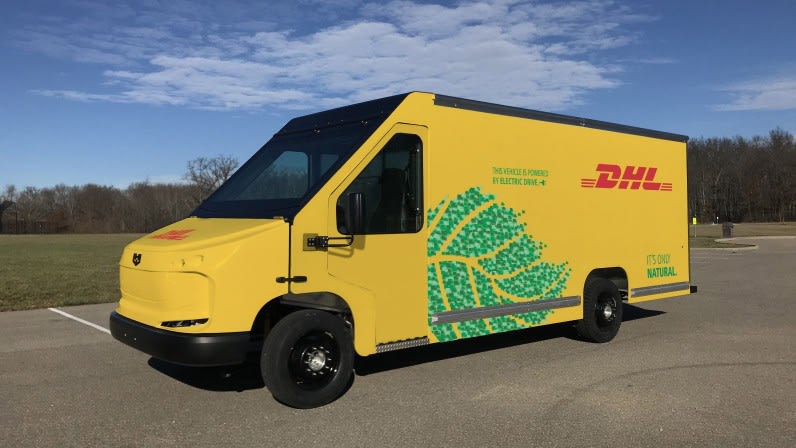
DHL Express Americas, one of the fleet members of The Corporate Electric Vehicle Alliance, is using electric vehicles like this one to meet its goal of net zero emissions from transport activities by 2050 globally.
Photo: DHL
3 min to read
Graphic courtesy of Ceres.
Amazon, DHL, and other fleets have joined the new Corporate Electric Vehicle Alliance to advance their commitments to fleet electrification.
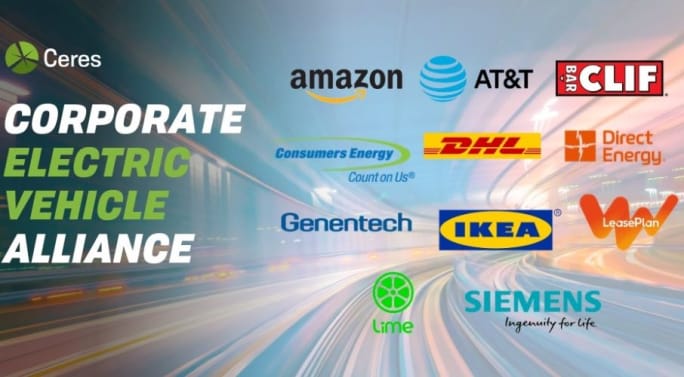
The Corporate Electric Vehicle Alliance’s flagship members are Amazon, AT&T, Clif Bar, Consumers Energy, DHL, Direct Energy, Genentech, Ikea North America, LeasePlan, Lime, and Siemens, according to the alliance. These members operate some of the largest fleets in the U.S. Some have already made significant commitments to electric vehicles and will look to the Corporate Electric Vehicle Alliance to help them meet their goals.
The alliance, established by sustainability nonprofit organization Ceres, was launched to help companies accelerate the transition to electric vehicles, and to address the fact that the electric vehicle market is advancing, but not fast enough to meet the needs of every company, according to Ceres. It will also provide a platform to coordinate support for policies that enable fleet electrification.
“With companies controlling more than half the vehicles on the road in the U.S. today, they have a tremendous role to play in leading the transition to electric vehicles – both in terms of electrifying their own fleets and in leveraging their buying power to send a strong market signal to automakers and policymakers alike," said Ceres’ VP of Climate and Energy Sue Reid.
Companies also have a clear economic incentive to electrify their fleets, according to Ceres. Electric vehicles present benefits such as cost savings on fuel and maintenance, reduced greenhouse gas (GHG) emissions, freedom from reliance on volatile oil and gas prices, improved driver safety, enhanced company reputation, and bolstered workforce recruitment and retention.
“We know that companies have a responsibility to limit their emissions, and that electric vehicles are an effective way to fulfill that responsibility," said Felipe Smolka, executive vice president, Transformation, LeasePlan. "That’s why we joined EV100 and it’s why we have set ourselves the ambitious goal of achieving net zero emissions from our total fleet by 2030. We also know that electric vehicles can be good for the bottom line. Our customers want them. We want them. And it’s why we’re pushing the EV market forward through the Corporate Electric Vehicle Alliance."
Amazon noted that as part of its Climate Pledge, which includes the purchase of 100,000 Rivian electric delivery vans and a commitment to deliver 50% of shipments with net zero carbon by 2030, it is "pursuing the highest standards in transportation sustainability. But we can’t get there alone," said Kara Hurst, Head of Worldwide Sustainability at Amazon. "We’re looking forward to working with fellow Corporate Electric Vehicle Alliance members to share best practices to remove carbon emissions from our transportation business.”
The Corporate Electric Vehicle Alliance helps address challenges by providing a platform for members to collaborate to identify challenges and potential solutions, and to leverage aggregate corporate demand to:
Production of new and increased volumes of EV models
EV market growth and economies of scale
Adoption of supportive policies and the removal of policy barriers
Peer-to-peer learning with regard to industry best practices
The Corporate Electric Vehicle Alliance is currently accepting new members. To learn more, visit www.ceres.org/corporate-electric-vehicle-alliance.
Topics:Electric VehiclesBattery-Electric VehiclesLeasePlanElectric TrucksSustainabilityAmazonSmall Fleet
Originally posted on Automotive Fleet
More Small Fleet


Developing Budget-Friendly Driver Safety Programs
From driver training and safety meetings to one-on-one coaching and incentive programs, several small fleets share how they have developed a safety culture with their drivers using low- to no-cost resources.
Read More →
Sponsored•March 9, 2026
Boosting Last-Mile Fleet Uptime, Safety, and Value with AI Vehicle Inspections
AI-powered inspections are transforming last-mile fleets by replacing manual checks with highly accurate automated scans that detect defects in seconds. By giving fleet operations visibility into the daily condition of their vehicles, you can identify trends over the vehicle’s lifecycle that enable improved procurement decisions, route management, driver training and accountability.
Read More →
Five Ways Seat Belts Help Prevent Injuries
There are five ways seat belts protect occupants from injuries, according to the Tennessee Department of Safety and Homeland Security.
Read More →
Sponsored•January 14, 2026
It’s here: The 2026 Fleet Technology Trends Report
What does AI mean for fleets? Get the answer — and learn other top tech trends.
Read More →
Small Fleets, Big Impact: How Independent Drivers Power Wreaths Across America
Check out how small fleets and independent drivers power Wreaths Across America each December and why their impact matters more than ever.
Read More →
VMS Survey Finds 65% of Small Fleet Managers Run Operations Alone
A new VMS survey shows small fleet managers are stretched thin, with most handling operations solo and eager to adopt digital tools for relief.
Read More →
Tips for Driving Safely on Halloween Night
This video features a reminder from the Connecticut Department of Transportation (DOT) and the Connecticut Police Chiefs Association, urging drivers to prioritize safety this Halloween.
Read More →
AI, Access, and Uptime: VMS’s Next Chapter with David Prusinski
VMS’s new Co-CEO, David Prusinski, shares how an AI-first approach will give small fleets and repair shops the tools to compete like big players.
Read More →
Fleet Managers Share Winter Prep Tips: It's Never Too Early!
Three fleets share best practices to prep vehicles for winter and prevent downtime when the cold sets in.
Read More →