



Maintenance Inefficiencies Costing USPS $21.8M a Year
The U.S. Postal Service could reduce its maintenance costs by $21.8 million a year by improving oversight of its mechanics and right-sizing staffing at vehicle garages, according to finding by the U.S. Office of Inspector General.


Photo of USPS vehicle via Wikimedia.
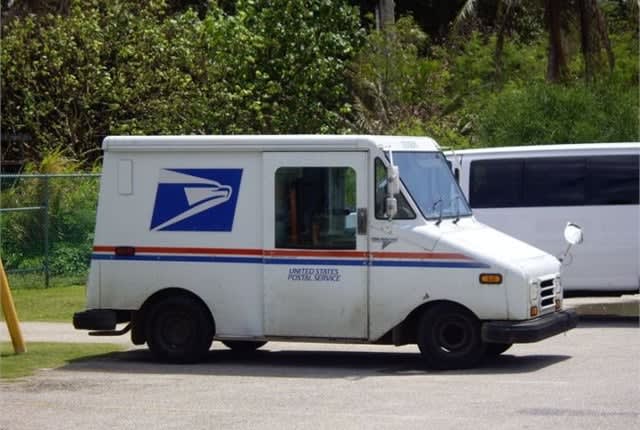
Photo of USPS vehicle via Wikimedia.
The U.S. Postal Service could reduce its maintenance costs by $21.8 million a year by improving oversight of its mechanics and right-sizing staffing at vehicle garages, according to finding by the U.S. Office of Inspector General.
By implementing recommendations from the report, the USPS would save 431,129 work hours, which adds up to $21.8 million.
Vehicle maintenance facilities weren't operating at peak efficiency when compared to established targets, the report found. Work order hours that exceeded timecard hours, which is known as undistributed labor, accounted for 11% of total maintenance labor costs and exceeded the established target of 3%, according to the report.
The report cited a lack of supervisory oversight as a driver of the higher costs. Overhead, including supervisory and support labor costs, accounted for 24% of total maintenance costs, which were lower than the established target of 24%. The maintenance facilities had 109 vacant administrative and supervisory positions.
The USPS maintains its fleet using 316 vehicle maintenance facilities that service 211,264 vehicles. The USPS also contracts with commercial garages for maintenance and repair. In fiscal year 2014, the USPS spent $1.1 billion on maintenance expenses.
The inspector general's office audited facilities in the Capital Metro and Pacific areas during fiscal year 2013 to assess maintenance operations in the Eastern, Great Lakes, Northeast, Southern, and Western areas.
Read the full audit report here.
Originally posted on Automotive Fleet
More Maintenance

ASE Connects’ Back-to-School Giveaway: Schools Can Win Tools and Prizes from Snap-on
As part of a back-to-school giveaway, ASE Connects and Snap-on will provide four schools with prizes, including three $250 Snap-on gift cards and a grand prize of a Snap-on cart and tool set valued at over $11,000.
Read More →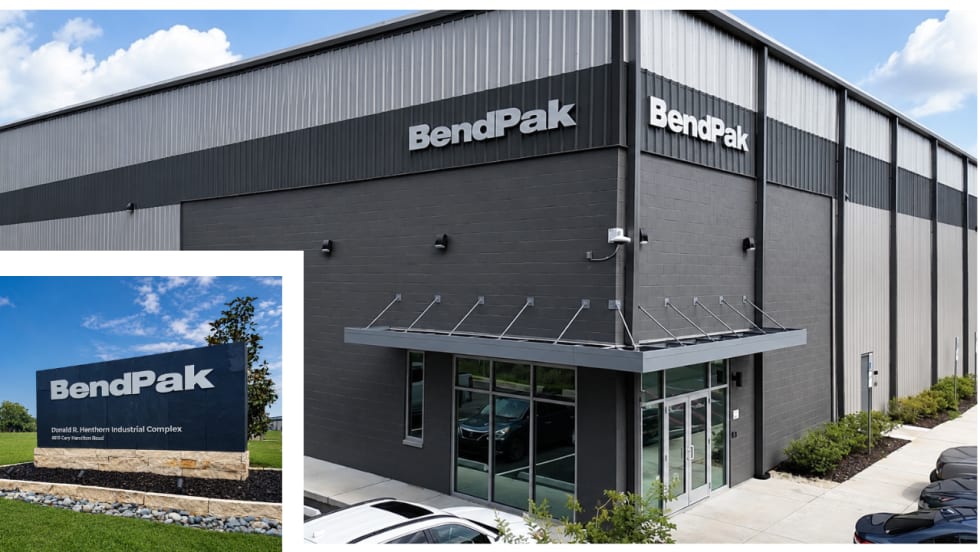
BendPak Opens Donald R. Henthorn Industrial Complex in Alabama
BendPak has completed Phase 1 of construction of the Donald R. Henthorn Industrial Complex, which includes a new logistics and distribution center. The complex is situated on 33 acres near BendPak’s existing East Coast campus in Mobile County, Alabama.
Read More →
As Maintenance Costs Rise, Some Work Trucks and Vans Cost Thousands Less to Maintain
Maintenance costs are still climbing, but some 2026 pickups and cargo vans could save fleets thousands per vehicle. The real surprise is not just how much they cost to maintain, but how often they need to leave the road.
Read More →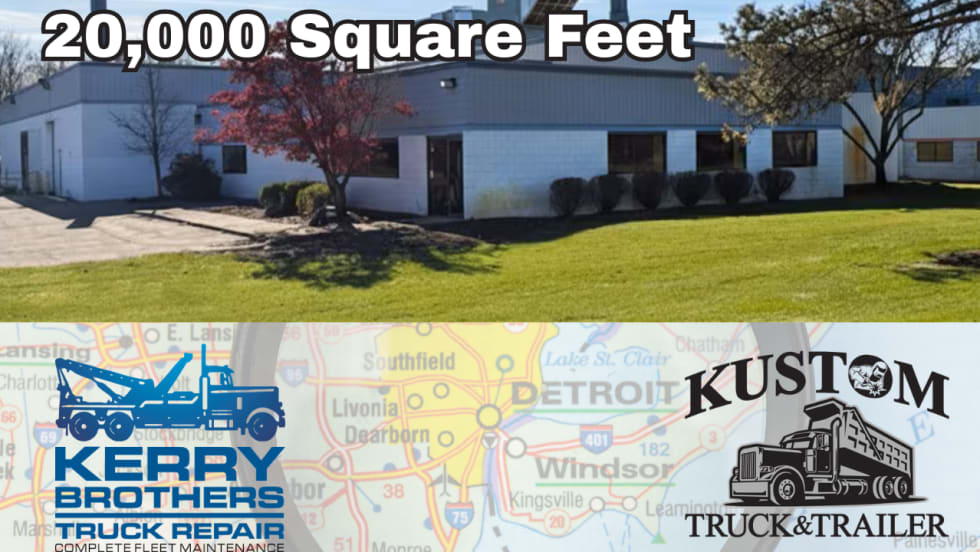
Kerry Brothers Truck Repair Expands Rapidly Across Southeast Michigan with 3 Acquisitions and New Wixom Facility
Acquisitions of Kustom Truck & Trailer, Vehicle Clinic and Downriver Truck and Bus, along with a new 20,000-square-foot Wixom facility, extend Kerry Brothers’ footprint east, south, west and north across the greater Detroit region.
Read More →
Kooner Fleet Management Solutions Named Fleetio Premier Partner
Fleetio has named Kooner Fleet Management Solutions as a Premier Partner within Fleetio’s Maintenance Shop Network. As a Fleetio Premier Partner, Kooner's designation reflects its commitment to delivering reliable maintenance services and supporting fleets through high-quality service.
Read More →
Proven Ways to Reduce Work Truck Downtime
The age-old problem of downtime will always be a reality, but with new strategies at hand, fleets have more ways to keep trucks on the road longer.
Read More →
Continental Tire Partners with Atrium Solutions for Emergency Road Service
Continental Tire is turning to digital platforms that are transforming the way service events are managed. It has partnered with Atrium Solutions on its new digital Emergency Road Service (ERS) platform solution.
Read More →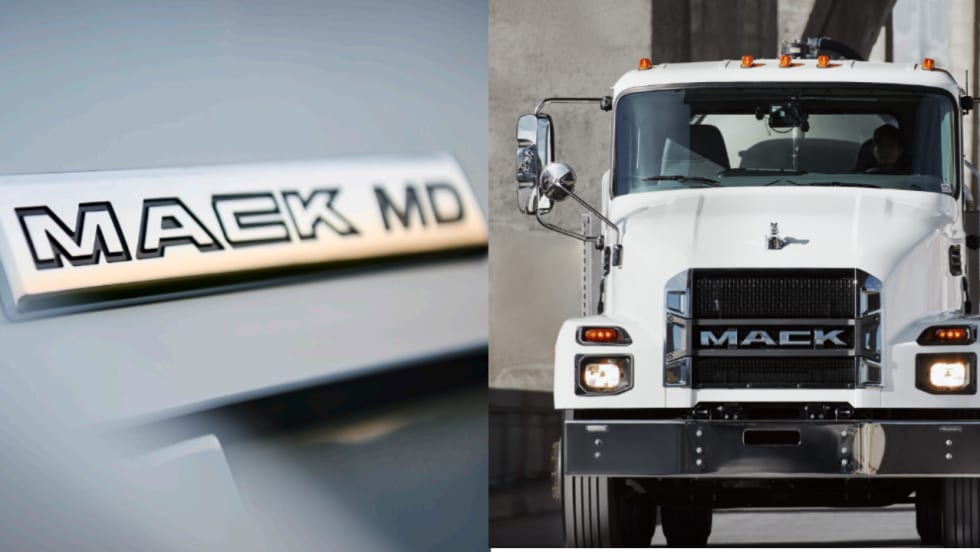
Mack Trucks Expands Premium Service Contract Coverage to Mack MD Series
Mack Premium Service Contract coverage is now available for the Mack MD Series, and Mack Trucks said it takes the guesswork out of maintenance and helps owners control costs.
Read More →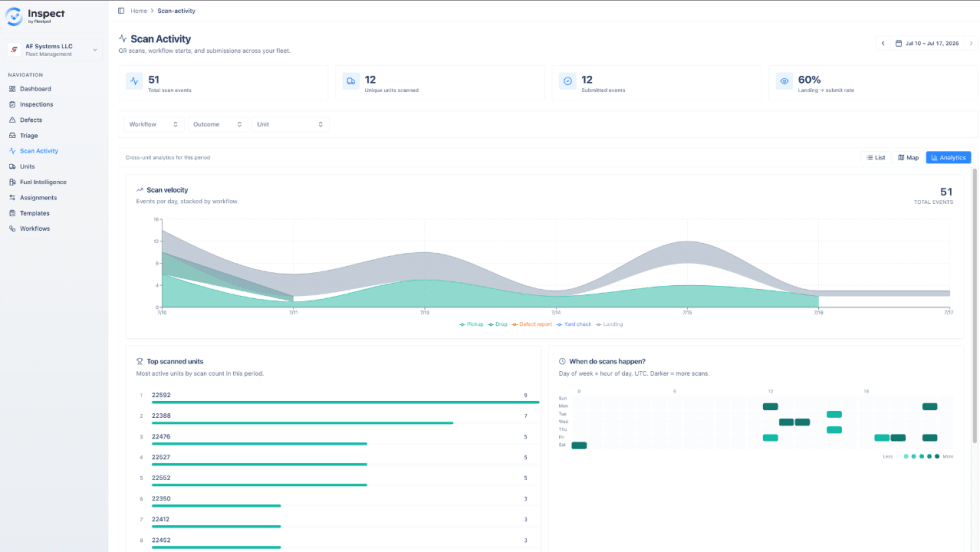
Fleetpal Makes Its Driver Inspection App Free for Qualified Fleets
Fleetpal Inspect's new free tier provides fleets with 30 or more power units with electronic DVIRs, at no cost, in accordance with FMCSA's rule explicitly authorizing electronic driver vehicle inspection reports.
Read More →
Ford Joins BlackRock, Google, and Carhartt to Establish Alliance for America’s Skilled Trades
The Ford Motor Company, BlackRock, Google, and Carhartt have established the Alliance for America’s Skilled Trades. The founding partners are all companies that have already shown leadership on the issue.
Read More →