




Japanese Cars, SUVs, Pickups, Minivans Top Thieves' Shopping Lists

Japanese cars domiante the latest list of most-stolen vehicles, but thieves continue to find sport utility vehicles (SUVs), pickup trucks, and mini-vans attractive targets. According to a new study conducted by the National Insurance Crime Bureau (NICB), a not-for-profit insurance organization committed to combating vehicle theft and insurance fraud, nearly one-third of the top 50 most commonly stolen vehicles in 1999 were SUVs, pickup trucks, and mini-vans. The Honda Accord tops the list, followed by the Toyota Camry. But also among the top 10 are the full-size Chevrolet pickup and the Jeep Grand Cherokee. NICB reported that the 10 most commonly stolen vehicles in the United States in 1999 were: 1. Honda Accord 2. Toyota Camry 3. Oldsmobile Cutlass 4. Chevrolet Full Size Pickup 5. Honda Civic 6. Toyota Corolla 7. Jeep Cherokee 8. Chevrolet Caprice 9. Ford Taurus 10. Chevrolet Cavalier New to the 1999 top ten list were the Chevrolet Caprice, Ford Taurus and Chevrolet Cavalier. The NICB list of the top 50 most frequently stolen vehicles includes 15 pickup trucks, minivans and SUVs. They are: the Chevrolet Full Size Pickup (4), Jeep Cherokee/Grand Cherokee (7), Ford 150 Series Pickup (11), Dodge Caravan (13), Chevrolet Blazer (14), Toyota Pickup 18), Plymouth Voyager (22), Ford Ranger (26), Ford Explorer (28), Chevrolet S-10 Pickup (29), Ford Econoline (32), Dodge Ram Pickup (35), Chevrolet Full Sized Van (40), GMC Full Sized Pickup (43) and the Chevrolet Astro Mini-van (44). "The study confirms the growing popularity of pickups, mini-vans and SUVs on a national basis among thieves," said Robert M. Bryant, president and chief executive officer of NICB. "Vehicle thieves follow market trends and target the most popular vehicles because they provide the best market for stolen vehicle parts and illegal export to other countries." Bryant also pointed out that there are city-by-city differences in consumer vehicle preference that affect which vehicles are targeted by thieves in an individual metropolitan area. For example, American cars are more attractive to thieves in cities such as Chicago, while pickups are more frequently stolen in Dallas. In the Los Angeles area, thieves target Japanese models. Bryant warned, "People residing in or near port and border communities should take special care to protect their vehicles." To help protect their vehicles, the NICB recommends that motorists always remove the keys from the ignition and vehicle, lock the doors, close the windows, hide valuable items, park in well-lit areas and use a combination of anti-theft devices. "Motorists driving theft-prone vehicles need to take additional steps such as installing a visible deterrent like a steering wheel lock, an alarm, a starter or fuel disabler and a tracking device," Bryant said. "The more layers of protection on your vehicle, the more difficult it is to steal." Another measure to help motorists protect their vehicle from theft is to permanently etch all glass/windows with the vehicle identification number (VIN). Etching the VIN on the vehicle’s glass not only aids law enforcement and insurance agencies in the recovery and identification of stolen vehicles, it also takes profit away from the professional vehicle thief. "Like any business, vehicle thieves are seeking to make a profit," said Bryant, "Permanently etching all glass on a vehicle with the VIN, takes profits from these criminals because they must replace the etched glass." About the NICB The National Insurance Crime Bureau (NICB) is a not-for-profit organization dedicated exclusively to fighting insurance fraud and theft for the benefit of its customers and the public through information analysis, forecasting, criminal investigation support, training and public awareness. The NICB is supported by approximately 1,000 property/casualty insurance companies.
More Safety & Compliance
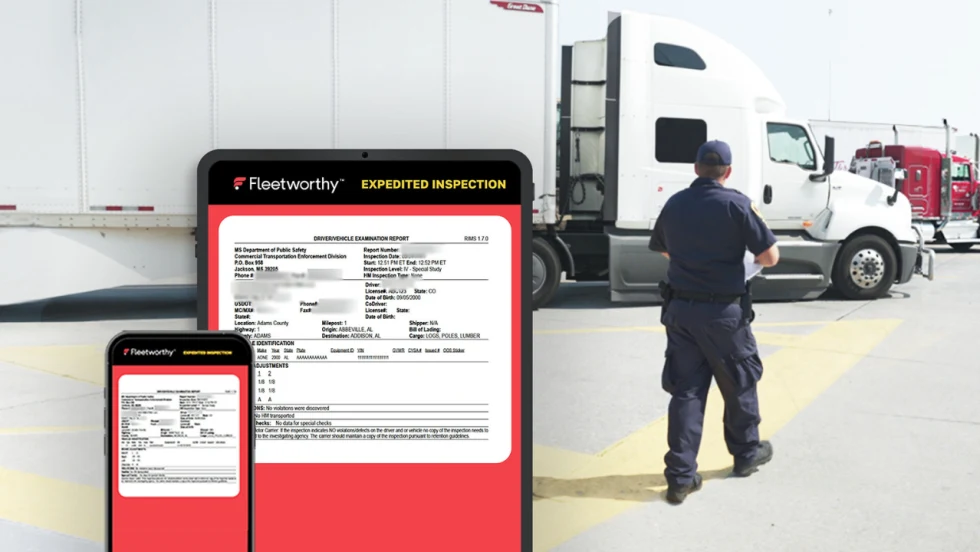
Fleetworthy Expands Expedited Inspection to 5 States
Following its industry-first launch in Nevada, Fleetworthy’s automated inspection technology is now live in California, Michigan, Vermont, and Maine.
Read More →
Crossing State Lines in a Light-Duty Work Truck? Check These Rules First
Crossing state lines in a lighter work truck? J.J. Keller's Kathy Close explains when IRP registration, trip permits, and towing rules come into play.
Read More →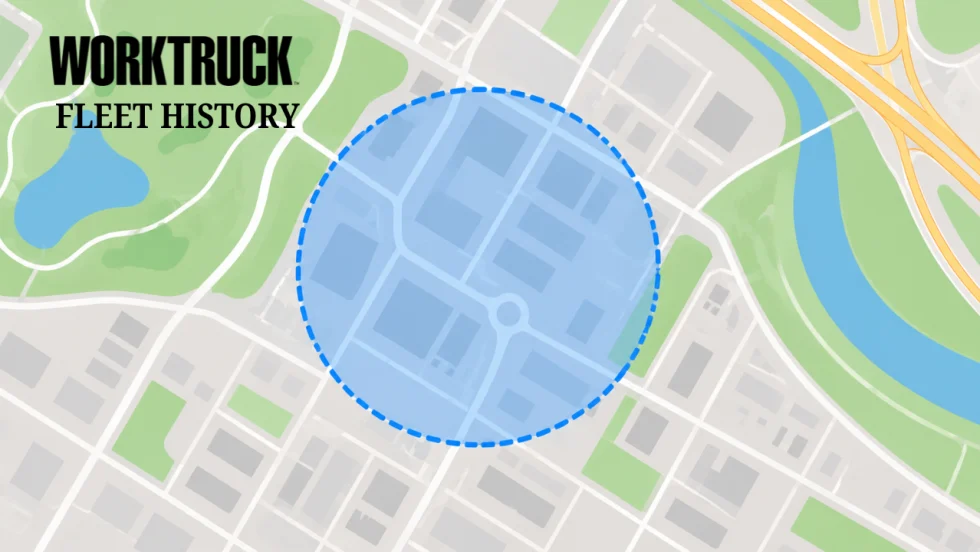
GeoFencing Adds to Your Truck Security Arsenal
Geofencing is a familiar fleet tool today, but its early adoption marked a major shift in vehicle tracking, route monitoring, and the debate over employee privacy.
Read More →From Our Partners


Recalls You Need to Know About in October 2026
In October 2026, what recalls might impact your fleet? Work Truck has the answers in this comprehensive overview of recent NHTSA recalls.
Read More →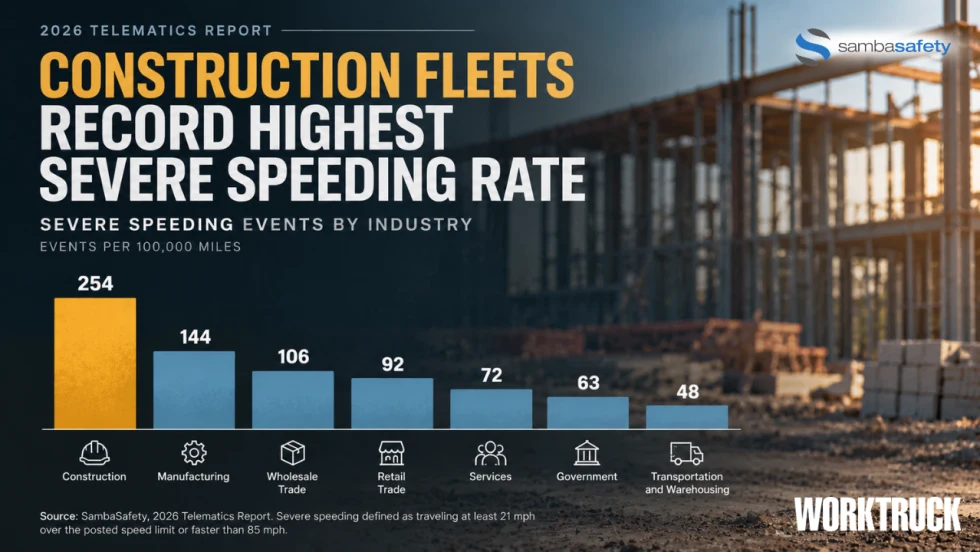
Construction Fleets Show Telematics Adoption Alone May Not Reduce Driving Risk
SambaSafety found construction fleets monitor roughly 92% of their vehicles but recorded the highest severe speeding rate among industries studied.
Read More →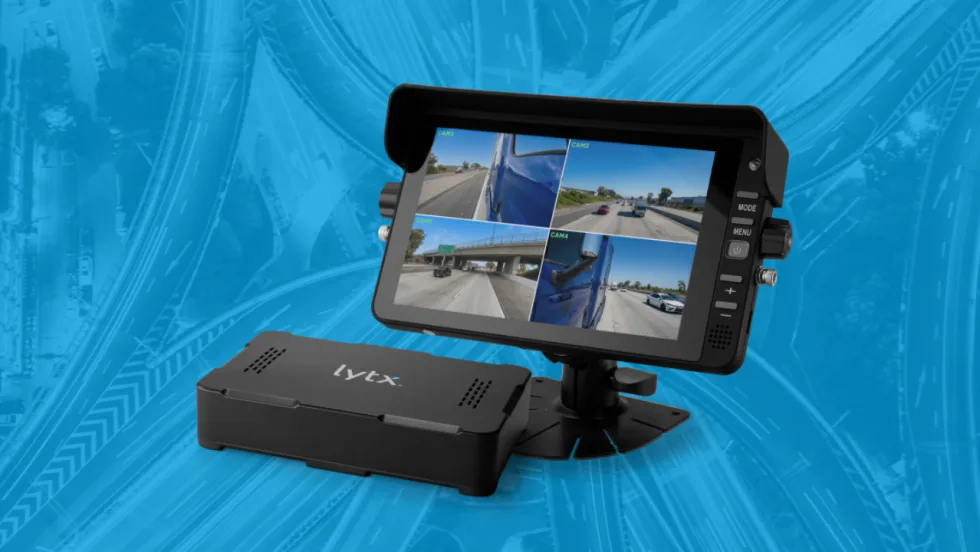
Lytx Launches 360 Hub Kit for Expanded Fleet Camera Visibility
Lytx’s new AI-ready gateway and HD auxiliary camera ecosystem, the Lytx 360 Hub Kit, extends visibility across side, rear, cargo, and blind-zone views to help fleets see more and respond faster.
Read More →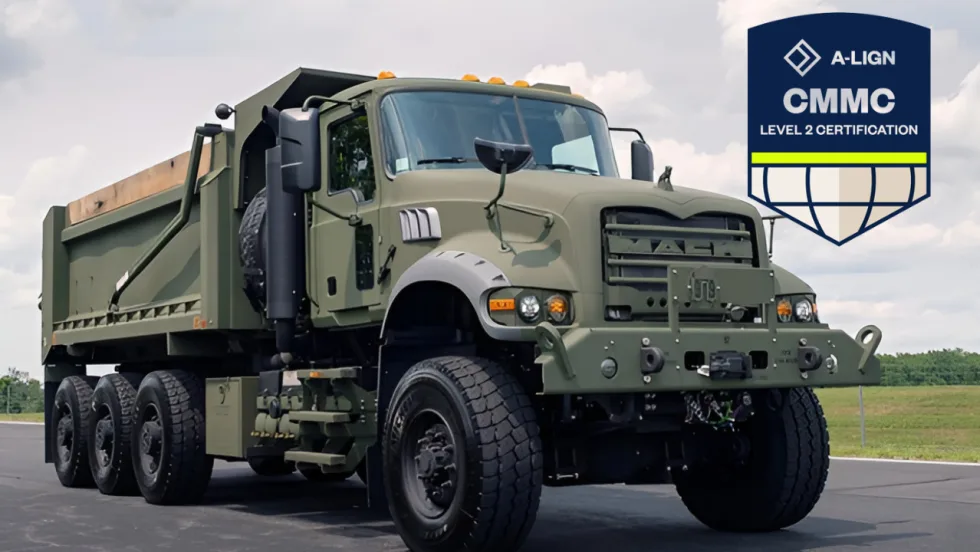
Mack Defense Achieves Cybersecurity Maturity Model Certification Level 2
After an assessment conducted by an authorized Certified Third-Party Assessment Organization (C3PAO), Mack Defense has achieved Cybersecurity Maturity Model Certification (CMMC) Level 2.
Read More →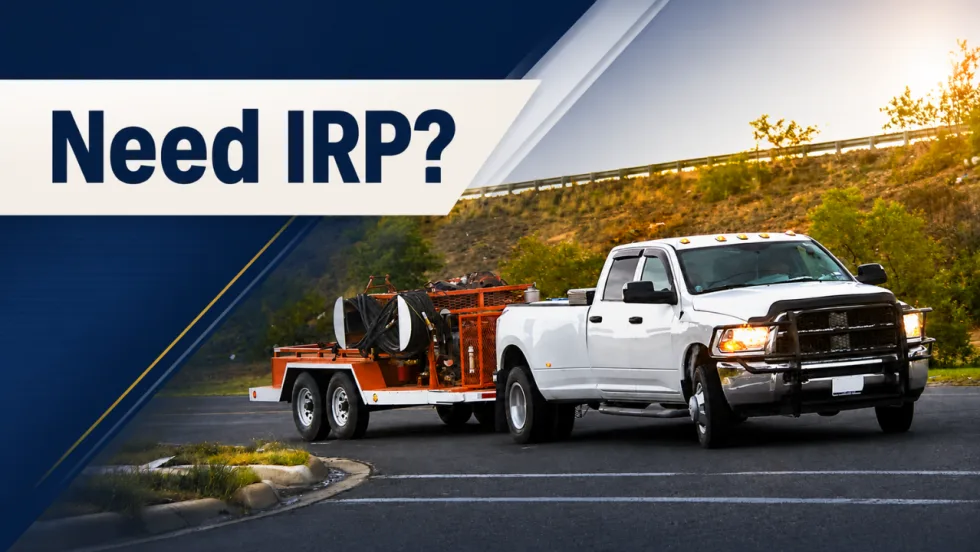
When Work Trucks Under 26,001 Pounds Need IRP Registration
Think trucks under 26,001 pounds are automatically in the clear when it comes to IRP? Not always. Learn where lighter vehicles can still run into trip permit, apportioned registration, and IFTA compliance requirements when crossing state or provincial lines.
Read More →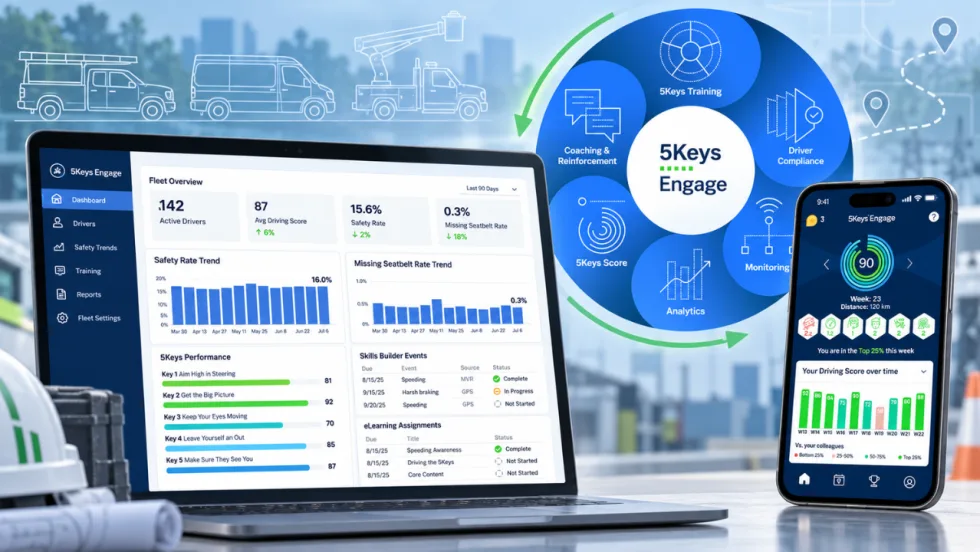
Smith System Wants Work Truck Fleets to Look Beyond the Driver Alert
Smith System’s new Driver Risk Management program is built to help mixed work truck fleets turn telematics alerts and observations into specific behaviors, coaching actions, and measurable follow-up.
Read More →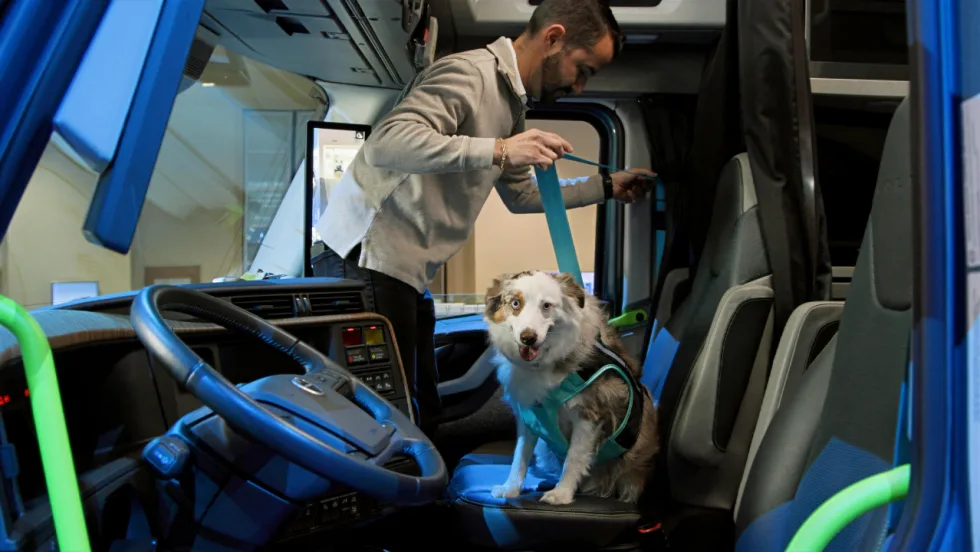
Volvo Trucks Releases New Safety Recommendations for Traveling with Pets
One of the most important recommendations for professional drivers traveling with pets is to ensure pets are properly restrained while the truck is moving. Other tips are available in the new guide from Volvo Trucks North America and Center for Pet Safety.
Read More →