



Insurers Charging Less-Educated More
People also receiving better insurance rates based on profession as well.
Seeking new ways to separate good risks from bad, car insurers in some states are now offering different rates for people with better jobs or higher level of education, according to a MSN Money report. In states where rating factors can legally include education and occupation, insurers such as Allstate are discounting premiums by up to 10 percent those in favored jobs, while Geico simply charges the less educated more. State Farm, the largest insurer in the United States, and Progressive (number three) do not use education or occupation to set rates. The Newark, N.J., Star-Ledger reported earlier this month that a 30-year-old single, male lawyer with a master's degree would pay $1,686 a year for coverage from Geico, but $2,880 if he were a janitor with a high school diploma, according to the MSN Money report. The vast change in pricing has caused a new legislation to be introduced in New Jersey that would prevent insurers from using education to determine auto insurance rates. Meanwhile according to an Allstate study that looked at 10 million insurance policies over a three-year period and broke down accident claims by profession, editors, health technicians and judges were deemed to be the safest in some states, with smaller discounts made available to secretaries, teachers and locksmiths.
More Small Fleet

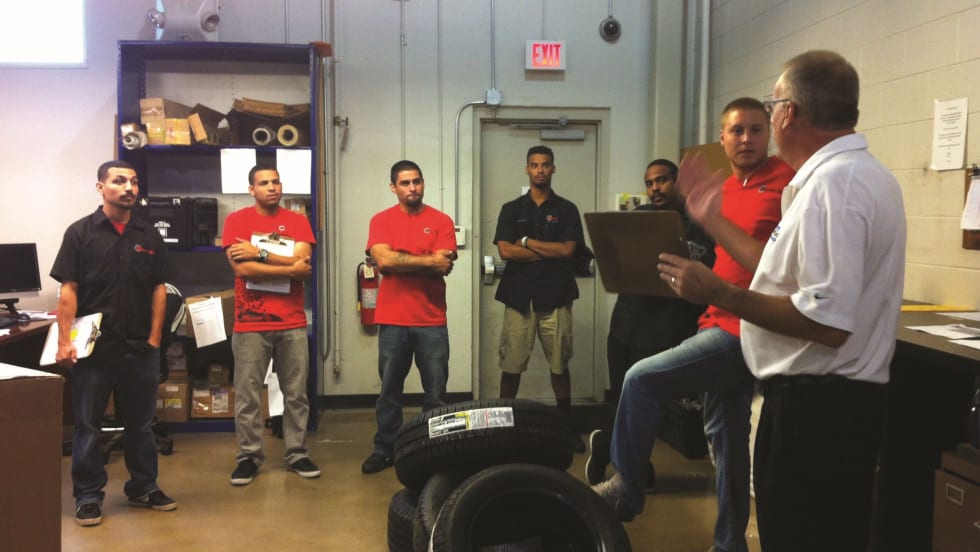
Developing Budget-Friendly Driver Safety Programs
From driver training and safety meetings to one-on-one coaching and incentive programs, several small fleets share how they have developed a safety culture with their drivers using low- to no-cost resources.
Read More →
Boosting Last-Mile Fleet Uptime, Safety, and Value with AI Vehicle Inspections
AI-powered inspections are transforming last-mile fleets by replacing manual checks with highly accurate automated scans that detect defects in seconds. By giving fleet operations visibility into the daily condition of their vehicles, you can identify trends over the vehicle’s lifecycle that enable improved procurement decisions, route management, driver training and accountability.
Read More →
Five Ways Seat Belts Help Prevent Injuries
There are five ways seat belts protect occupants from injuries, according to the Tennessee Department of Safety and Homeland Security.
Read More →
It’s here: The 2026 Fleet Technology Trends Report
What does AI mean for fleets? Get the answer — and learn other top tech trends.
Read More →
Small Fleets, Big Impact: How Independent Drivers Power Wreaths Across America
Check out how small fleets and independent drivers power Wreaths Across America each December and why their impact matters more than ever.
Read More →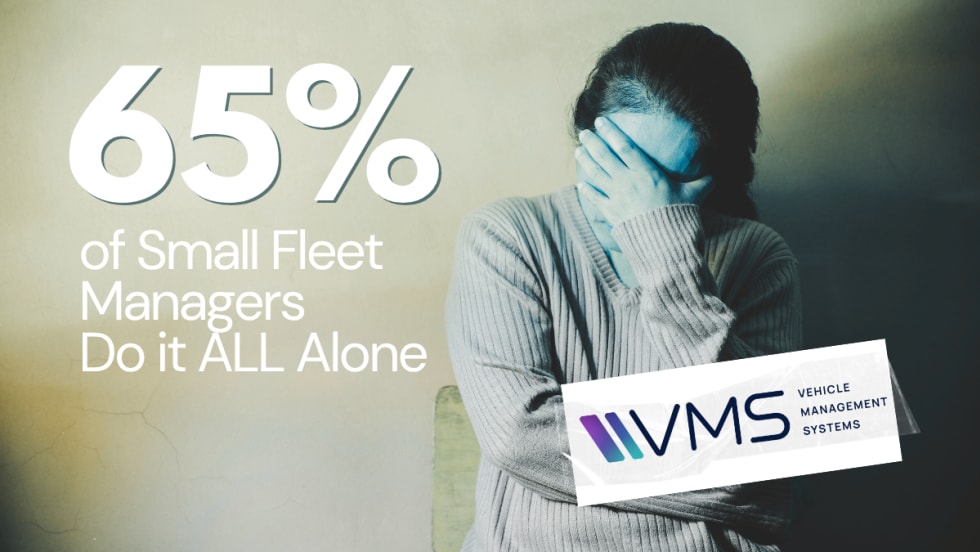
VMS Survey Finds 65% of Small Fleet Managers Run Operations Alone
A new VMS survey shows small fleet managers are stretched thin, with most handling operations solo and eager to adopt digital tools for relief.
Read More →
Tips for Driving Safely on Halloween Night
This video features a reminder from the Connecticut Department of Transportation (DOT) and the Connecticut Police Chiefs Association, urging drivers to prioritize safety this Halloween.
Read More →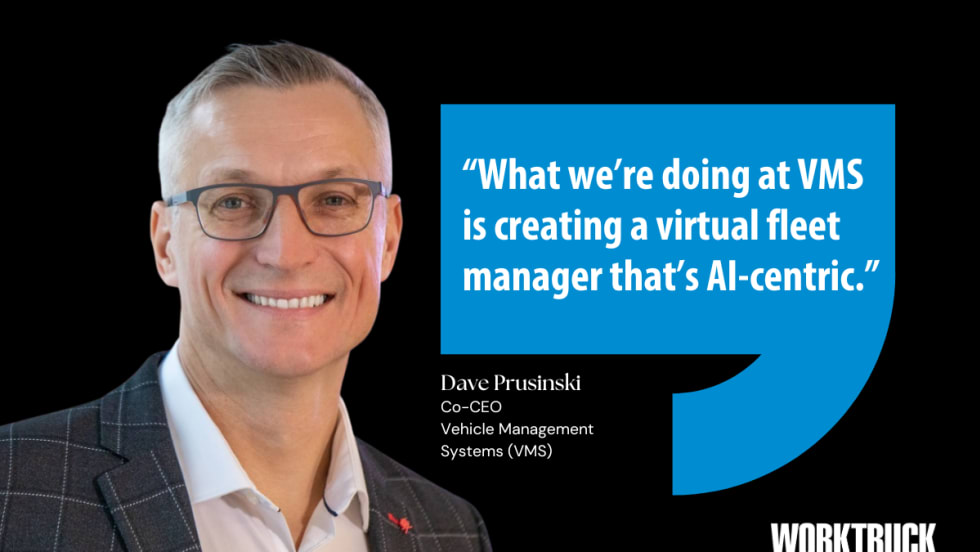
AI, Access, and Uptime: VMS’s Next Chapter with David Prusinski
VMS’s new Co-CEO, David Prusinski, shares how an AI-first approach will give small fleets and repair shops the tools to compete like big players.
Read More →
Fleet Managers Share Winter Prep Tips: It's Never Too Early!
Three fleets share best practices to prep vehicles for winter and prevent downtime when the cold sets in.
Read More →