




Inland Truck Parts Adds Dedicated Training Center
Inland Truck Parts recently added a 15,000 sq. ft. training center built in Olathe, Kan. The facility houses everything from traditional classrooms to 12 remanufacturing stations: six for manual transmissions and six for Allison automatics.
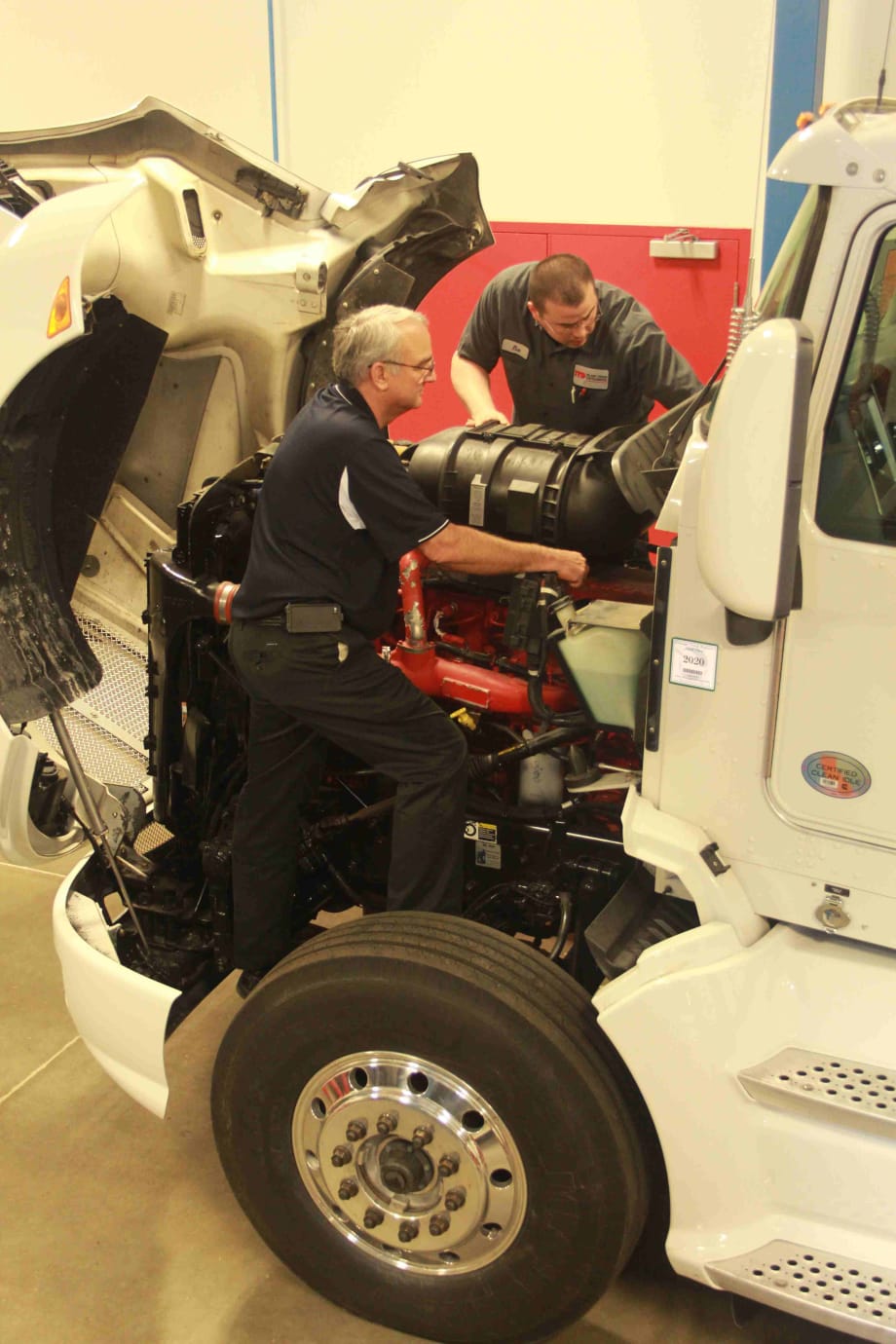
The 15,000 sq. ft. facility houses everything from traditional classrooms to 12 remanufacturing stations: six for manual transmissions and six for Allison automatics.
A lot of changes have been made at Inland Truck Parts over the past 15 years. But one thing has remained constant: the company’s concerted
effort to elevate market perception in every way.
“We emphasize clean, well-lit facilities,” says Inland President and
CEO Dave Scheer. “But appearance is only the beginning. Customers
want to go to a place they believe is willing to invest in the tools, systems
and technical training to get the job done right the first time so they can
get their trucks back on the road. We want to be their first choice.”
Training for the Real World
The latest testament to the company’s commitment to leading the way in
professionalism and expertise is the new training center Inland built in Olathe, a Kansas City suburb. The 15,000 sq. ft. facility houses everything from traditional classrooms to 12 remanufacturing stations: six for manual transmissions and six for Allison automatics.
The layout mimics actual shop environments in the 27 Inland locations. A pair of medium-duty trucks and a late-model Class 8 tractor were also purchased for training on everything from preventive maintenance and tuneups to electronic diagnostics and troubleshooting.
“It’s just like it is out in the store,” Scheer adds, “so the student gets a
full hands-on experience and then can take that knowledge and transfer
it right to his main job. We even have two drive-in service bays to simulate the real work experience.”
While Inland already employs two dedicated full-time trainers, they traditionally have conducted training inside the stores, which can disrupt business as well as distract students. The separate training facility provides an environment that promotes uninterrupted attention, for better results. Hands-on technician training is limited to small groups, so that every attendee gets ample opportunity to participate. In fact, Scheer suggests that a perfect class size is no more than six, giving trainees the chance to be fully engaged and instructors the chance to answer questions. Classes are developed to span no more than two or three days.
Inland Truck Parts adds to its culture of professionalism with a dedicated training center.
“If you go too long, you have a stamina issue that can affect the ability to
absorb information,” says Scheer. “These are hard-working technicians who aren’t used to being in classrooms and training sessions all day.”
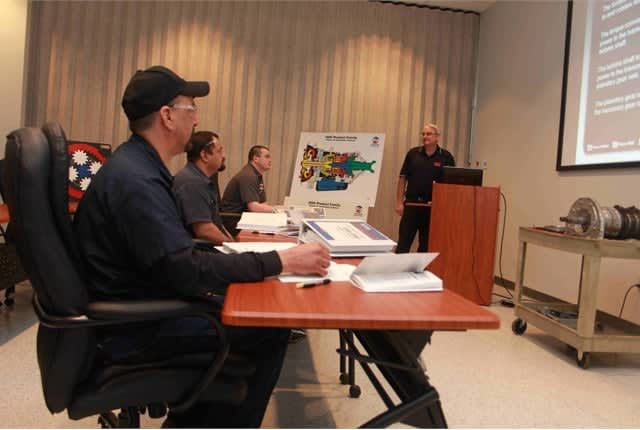
With classroom space for up to 100 students, the Olathe training center
also offers classes in communication, conflict resolution and other important “soft skills.”
Hard Work on Soft Skills
With classroom space for up to 100 students, the Olathe training center
also offers classes in communication, conflict resolution and other important “soft skills.” That emphasis is a continuation of the long-standing Inland commitment to providing superior customer service.
The Inland focus on customer relations is reflected in the way employees dress, how they answer the phone, and the way they interact with customers on a daily basis.
Scheer credits the fact that since 2002, the company has been 100-percent employee owned.
“Our employees are invested emotionally,” he says, “because they have some skin in the game.”
The curriculum at the training center is based on feedback from an Inland training advisory council comprising store, service and shop managers. They are the “boots on the ground” source for anticipating training needs.
It’s a proactive approach to ensure that technicians, equipment and software are all aligned for future customers. Once a list of topics is established, the course outline is posted on the company’s Intranet.
Employees then consult with their supervisors and sign up for classes according to individual interests and needs. To encourage full engagement, the choice to take the training is generally voluntary.
Making a Difference
Inland relies on suppliers for only about 20 percent of its technician training. That sets the company apart from independent shops that have traditionally relied heavily on outside sources. Another Inland difference is
found in the range of offerings.
“We provide parts, of course,” says Scheer. “But we also do remanufacturing and drive-in truck service, all in a single facility. There are very few in our industry who can say that.”
More Maintenance & Uptime
The Lost Art of Refrigerant Recovery
As new A/C refrigerants enter the market, fleet shops may already have many of the tools they need to service them. Here’s why revisiting basic refrigerant service skills could save equipment costs and get trucks back on the road faster.
Read More →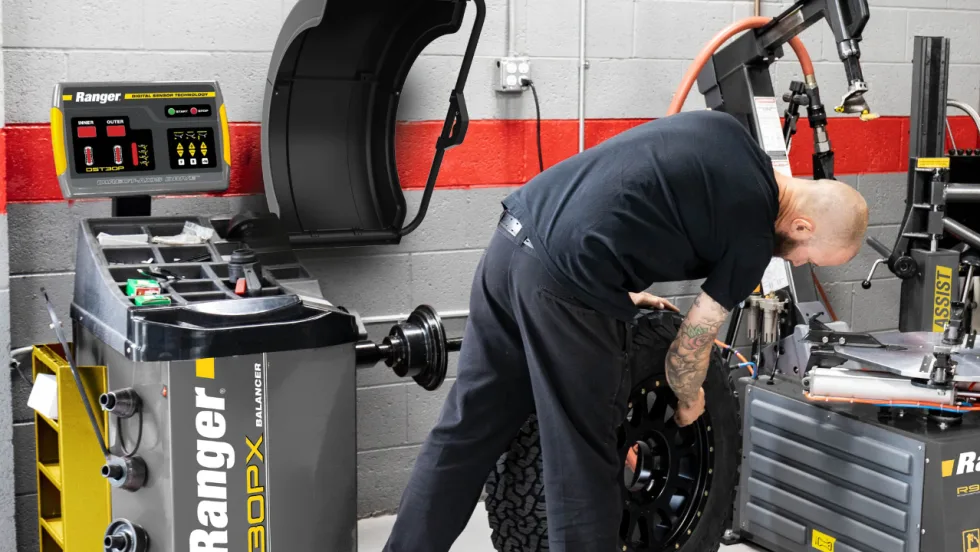
BendPak Launches Ranger DST30PX Balancer for Large Wheel Service
The new DST30PX Professional Wheel Balancer from Ranger Division of BendPak smoothly handles tires up to 43 inches with precision and accuracy.
Read More →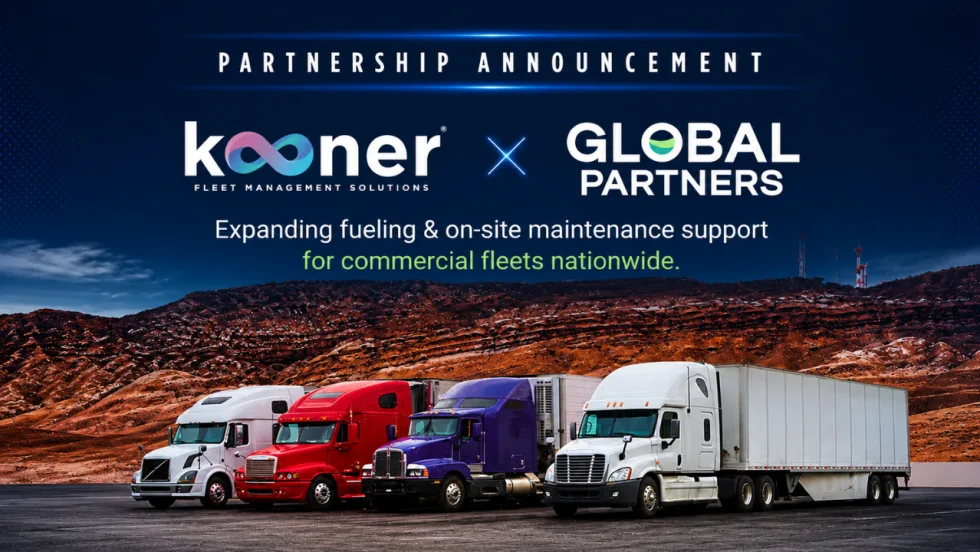
Kooner and Global Partners Connect Mobile Fleet Maintenance and Fueling Services
A new referral partnership connects on-site fueling and maintenance services, with a focus on reducing off-site trips and making better use of fleet downtime.
Read More →From Our Partners
How JASPER Keeps Fleets Moving and Profitable
Sponsored by Jasper Engines & Transmissions
Basic Tracking vs Next Generation Fleet Technology
Sponsored by AT&T Business
5 Facts Every Fleet Manager Should Know About Embedded Telematics
Sponsored by Stellantis/Mobilisights
How AI Video Telematics Boosts Driver Safety and Helps to Avoid Unnecessary Costs
Sponsored by Verizon Connect

Charting the 8 Bottom-Line Benefits of Workforce Optimization
Sponsored by Verizon Connect


Maintenance Failures That Sideline Work Trucks and the Inspection List That Catches Them Early
Unplanned downtime hurts efficiency and even profitability for work truck fleets, but catching potential problems early can help prevent it. Here is an inspection list that can help potentially prevent that downtime.
Read More →
Hunter Engineering Enters Collaborates with Bosch for Remote Diagnostics Service Through ADASLink
Hunter Engineering’s collaboration with Bosch enables ADASLink to connect directly with Bosch diagnostic experts through an integrated remote support platform, allowing shops to service more vehicles.
Read More →
Mack Adds Chassis Coverage Options for Fleet Repair Costs
Mack Trucks introduced four system-specific chassis coverage plans, giving fleets more flexibility to manage repair costs for driveline, HVAC, electronics, safety systems, and other components.
Read More →
GM Launches ‘30 Under 30’ Program to Elevate Automotive Service Technicians and Inspire the Next Generation
The GM Automotive Service Technicians 30 Under 30 program honors GM service technicians under the age of 30 who demonstrate continuous technical training, exemplary customer service, mentorship, and leadership.
Read More →
Kooner Fleet Management Solutions Named Exclusive On-Site Fleet Maintenance Provider for Safe Truck Parking
A strategic partnership between Kooner Fleet Management Solutions and Safe Truck Parking brings mobile maintenance and 24/7 repair services directly to Safe Truck Parking locations, beginning in San Diego, California, with nationwide expansion planned.
Read More →
Building a Better Vehicle Replacement Model
Meter readings still matter, but engine hours, idle time, maintenance trends, and utilization can help fleets spot costly vehicles before the odometer does.
Read More →
How JASPER Keeps Fleets Moving and Profitable
Every business decision within fleet management ultimately comes down to financial performance. Investing in dependable replacement powertrain components and responsive support can measurably impact the bottom line.
Read More →