




In Depth: Can Distance-based Auto Insurance Work?
Automobile insurance based on the miles a car is driven is gaining attention among state legislators and motorists, but insurance providers remain hesitant to offer an alternative to the traditional fixed cost per year. Known as distance-based insurance, per-mile premiums, or pay-as-you-drive insurance, policyholders are only charged for what they actually use under the new model. Most fleet operators experience variation in the demand placed on their vehicles due to the normal ups and downs of business. While all vehicles may be in use one day, very few could be needed the next. Companies must still insure these vehicles regardless of whether they are constantly operating or parked for weeks at a time. This can equal expensive insurance premiums for low-use vehicles. The National Organization for Women and Texas NOW began CentsPerMileNow, a project that advocates a restructured insurance program. Since 2001, Texas and Oregon have adopted laws that allow – but do not require – insurance companies to offer this type policy. Instead of traditional insurance that offers six months of coverage, distance-based insurance is bought according to mileage and lasts as long as it takes to drive that many miles. For example, a policyholder could purchase coverage for 10,000 miles and not need to renew until the odometer shows the insurance has run out. The policy may last two months or even two years depending on how much the vehicle is driven. According to the Texas Department of Insurance, no companies currently offer distance-based insurance. The passage of this law included a trial period, which expires on Sept. 1, 2005 unless it is renewed. Patrick Butler, insurance project director for NOW, told Business Fleet that insurance companies have little incentive to change billing procedures. Charging some customers less would leave others to pick up the difference, he explained. “By offering a choice, insurance companies would be adversely selecting against their own pools,” Butler said. The system would be effective once it became operational but will have some difficulty getting started, he added. The current model causes motorists to limit vehicles to reduce insurance costs or even risk driving uninsured. As a result, premiums are higher to account for those driving without insurance. Supporters of the new model say it would make insurance more attainable and reduce the number of uninsured drivers. Critics, including insurance companies, say it is too difficult to track mileage and it may even encourage odometer tampering. Long-distance drivers also tend to oppose the new model because they pay the same insurance if they drive 12,000 or 50,000 miles a year. Global Positioning Systems, odometer audits or some other transponder system would be necessary to verify the number of miles driven. Customers would prepay for a given number of miles and receive an insurance card authorizing coverage to a specific odometer reading. Distance-based insurance only covers driving-related losses. This includes liability, uninsured motorist, collision, and personal injury protection. Comprehensive insurance, used when a car is stolen, would continue to be charged at a fixed yearly rate.
More Small Fleet


Developing Budget-Friendly Driver Safety Programs
From driver training and safety meetings to one-on-one coaching and incentive programs, several small fleets share how they have developed a safety culture with their drivers using low- to no-cost resources.
Read More →
Boosting Last-Mile Fleet Uptime, Safety, and Value with AI Vehicle Inspections
AI-powered inspections are transforming last-mile fleets by replacing manual checks with highly accurate automated scans that detect defects in seconds. By giving fleet operations visibility into the daily condition of their vehicles, you can identify trends over the vehicle’s lifecycle that enable improved procurement decisions, route management, driver training and accountability.
Read More →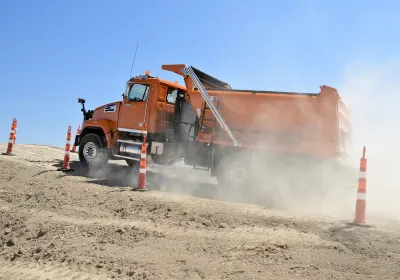

Five Ways Seat Belts Help Prevent Injuries
There are five ways seat belts protect occupants from injuries, according to the Tennessee Department of Safety and Homeland Security.
Read More →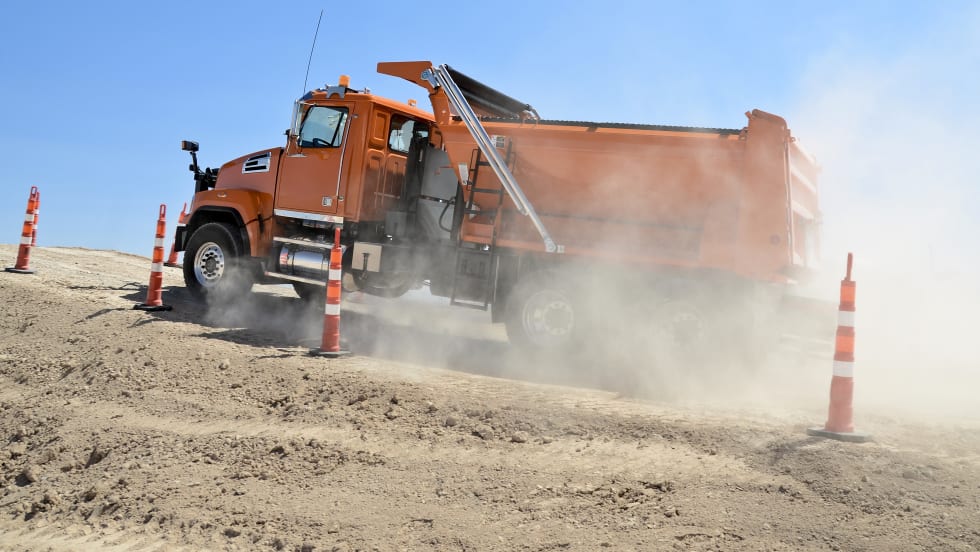
Basic Tracking vs Next Generation Fleet Technology
Fleet software is getting more sophisticated and effective than ever, tying big data models together to transform maintenance, safety, and the value of your existing tech stack. Fleet technology upgrades are undoubtedly an investment, but updated technology can offer a much higher return. Read how upgrading your fleet technology can increase the return on your investment.
Read More →
It’s here: The 2026 Fleet Technology Trends Report
What does AI mean for fleets? Get the answer — and learn other top tech trends.
Read More →
Small Fleets, Big Impact: How Independent Drivers Power Wreaths Across America
Check out how small fleets and independent drivers power Wreaths Across America each December and why their impact matters more than ever.
Read More →
VMS Survey Finds 65% of Small Fleet Managers Run Operations Alone
A new VMS survey shows small fleet managers are stretched thin, with most handling operations solo and eager to adopt digital tools for relief.
Read More →
Tips for Driving Safely on Halloween Night
This video features a reminder from the Connecticut Department of Transportation (DOT) and the Connecticut Police Chiefs Association, urging drivers to prioritize safety this Halloween.
Read More →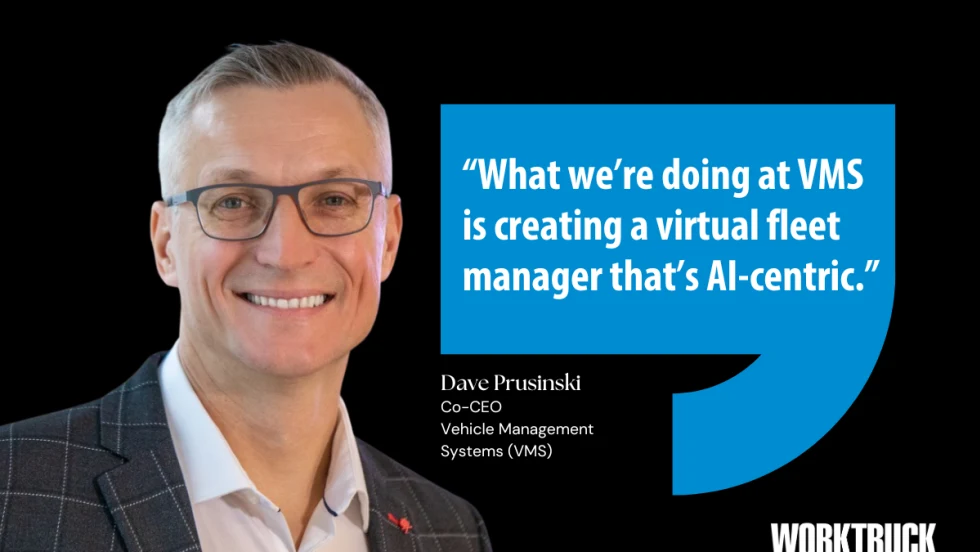
AI, Access, and Uptime: VMS’s Next Chapter with David Prusinski
VMS’s new Co-CEO, David Prusinski, shares how an AI-first approach will give small fleets and repair shops the tools to compete like big players.
Read More →