




Ill., Ore., and D.C. Draw Top Scores for Safety Laws
Advocates for Highway and Auto Safety releases its 11th annual report evaluating state regulatory efforts to decrease road fatalities and injuries.
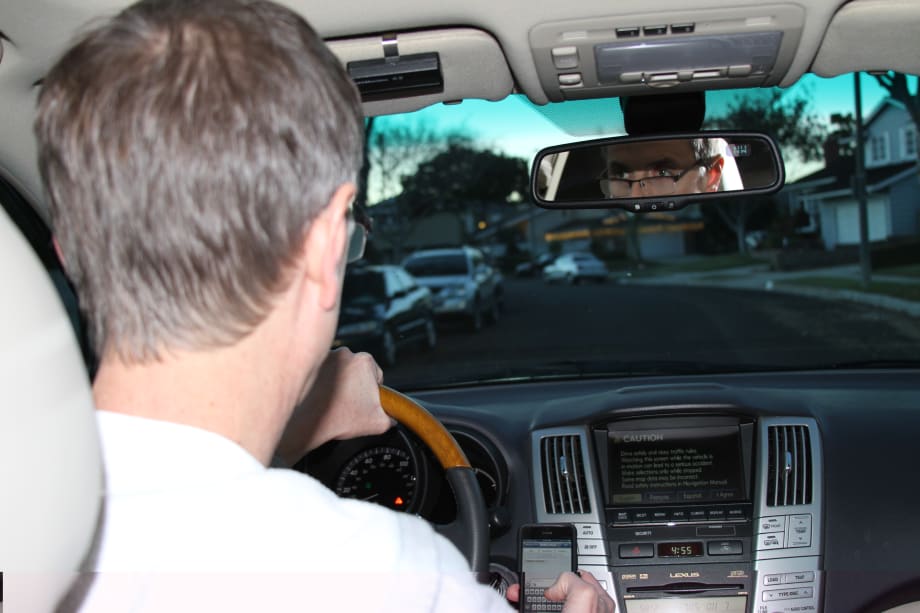
In 2013, Hawaii and Virginia adopted driver text messaging restrictions. But 13 states have still not passed such legislation.
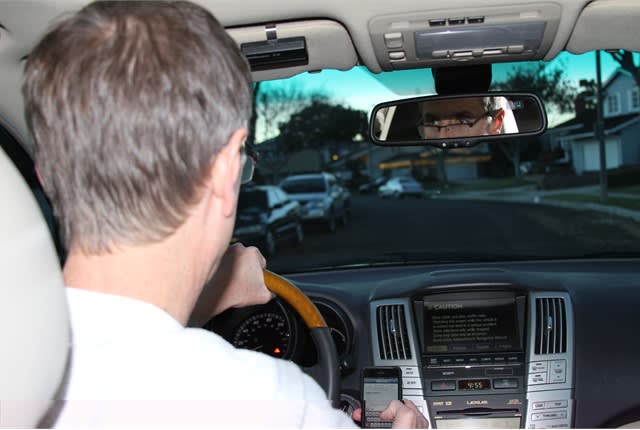
In 2013, Hawaii and Virginia adopted driver text messaging restrictions. But 13 states have still not passed such legislation.
Advocates for Highway and Auto Safety, a group that annually grades states for their regulatory efforts to improve traffic safety, awarded the highest scores this year to Illinois, Oregon and the city of Washington, D.C. The state with the lowest score was South Dakota.
In its newly released report, titled “2014 Roadmap of State Highway Safety Laws,” the safety group recommends universal adoption of 15 state safety laws. They include an all-driver text messaging restriction, a booster seat requirement for children 4-7, an all-rider motorcycle helmet requirement, graduated driver licensing (GDL) provisions, an ignition interlock device requirement for all impaired driving offenders, and primary enforcement of seat belts – front and rear.
The group assigned each state a rating of green (good), yellow (caution) or red (danger), based on the state’s total safety score. That score hinged on how many of those laws the state has adopted. A state without a primary enforcement seat belt law covering all passengers is ineligible for a green rating.
No state has all 15 laws on the books yet. However, Illinois, Oregon and the District of Columbia each have 12 of the laws. Delaware, Hawaii, Indiana, Maine, Rhode Island and Washington are all close behind with 11. California and Louisiana each have nine.
At the other end of the spectrum, South Dakota has just two of the recommended laws on its books. The state lacks front and rear primary enforcement seat belt laws, an all-rider motorcycle helmet law, a booster seat law, six of the seven recommended teen driving provisions, an ignition interlock law, a child endangerment law and an all-driver text messaging restriction.
Mississippi has just four of the laws, lacking a rear primary enforcement seat belt law, a booster seat law, six of the seven teen driving provisions, an ignition interlock law, an open container law and an all-driver text messaging restriction.
“We release this report at a critical time as the nation’s motor vehicle fatalities climbed for the first time in 2012 after six consecutive years of decline,” said Jackie Gillan, the organization’s president. “The Roadmap Report provides practical and proven solutions to reduce the highway death and injury toll.”
Click here to download the full report.
Originally posted on Automotive Fleet
More Small Fleet


Developing Budget-Friendly Driver Safety Programs
From driver training and safety meetings to one-on-one coaching and incentive programs, several small fleets share how they have developed a safety culture with their drivers using low- to no-cost resources.
Read More →
Boosting Last-Mile Fleet Uptime, Safety, and Value with AI Vehicle Inspections
AI-powered inspections are transforming last-mile fleets by replacing manual checks with highly accurate automated scans that detect defects in seconds. By giving fleet operations visibility into the daily condition of their vehicles, you can identify trends over the vehicle’s lifecycle that enable improved procurement decisions, route management, driver training and accountability.
Read More →

Five Ways Seat Belts Help Prevent Injuries
There are five ways seat belts protect occupants from injuries, according to the Tennessee Department of Safety and Homeland Security.
Read More →
Basic Tracking vs Next Generation Fleet Technology
Fleet software is getting more sophisticated and effective than ever, tying big data models together to transform maintenance, safety, and the value of your existing tech stack. Fleet technology upgrades are undoubtedly an investment, but updated technology can offer a much higher return. Read how upgrading your fleet technology can increase the return on your investment.
Read More →
It’s here: The 2026 Fleet Technology Trends Report
What does AI mean for fleets? Get the answer — and learn other top tech trends.
Read More →
Small Fleets, Big Impact: How Independent Drivers Power Wreaths Across America
Check out how small fleets and independent drivers power Wreaths Across America each December and why their impact matters more than ever.
Read More →
VMS Survey Finds 65% of Small Fleet Managers Run Operations Alone
A new VMS survey shows small fleet managers are stretched thin, with most handling operations solo and eager to adopt digital tools for relief.
Read More →
Tips for Driving Safely on Halloween Night
This video features a reminder from the Connecticut Department of Transportation (DOT) and the Connecticut Police Chiefs Association, urging drivers to prioritize safety this Halloween.
Read More →
AI, Access, and Uptime: VMS’s Next Chapter with David Prusinski
VMS’s new Co-CEO, David Prusinski, shares how an AI-first approach will give small fleets and repair shops the tools to compete like big players.
Read More →