




How One Small Fleet Stays Green
A large dairy company in New England announced this week that it will have transitioned 130 delivery trucks, or more than 90 percent of its fleet, to B20 biodiesel fuel (20 percent biodiesel and 80 percent petroleum diesel) by the end of 2006.
Oakhurst Dairy, a large dairy company in New England, announced this week that it will have transitioned 130 delivery trucks, or more than 90 percent of its fleet, to B20 biodiesel fuel (20 percent biodiesel and 80 percent petroleum diesel) by the end of 2006.
This switch will make the Oakhurst Dairy fleet the largest private biodiesel fleet in New England, reducing carbon dioxide (CO2) emissions by 1332 tons per year.
The company made the switch as part of its commitment to the Governor's Carbon Challenge, a first-in-the-nation voluntary carbon dioxide emissions reduction program initiated in 2004.
Oakhurst says it was one of the first corporations in Maine to sign on to the Governor's Carbon Challenge, agreeing to cut direct emissions by 15 percent and indirect emissions by 5 percent (below year 2000 levels).
Oakhurst also cited the 8-cent per gallon reduction in the excise tax for motor fuel that contains at least 2 percent biodiesel, a provision of Maine Governor Baldacci's energy bill last session, as a reason for the switch to biodiesel.
The Maine DOT also plans to begin using biodiesel in the spring in some of its regions.
The greenhouse gas emissions to be saved by Oakhurst annually are estimated to be equivalent to avoiding the use of 137,628 gallons of gasoline.
Oakhurst said its goal is to increase the biodiesel ratio in their fuel beyond 20 percent in the future, as long as no engine problems arise.
Oakhurst's carbon reduction efforts are part of the company's overall commitment to healthy communities and the environment. Over the years, the dairy has taken several steps toward increasing efficiency of the fleet and meeting clean air standards.
A few of these include:
* Recycling oil filters, anti-freeze and waste oil
* Installing equipment in refrigeration units to improve efficiency
* Purchasing retreaded tires, which often help produce better gas mileage
* Switching truck refrigeration systems to avoid ozone-depleting Freon gas; Oakhurst Dairy has been CFC-free for more than 10 years
* Employing re-routing software to improve efficiency, saving 44,000 gallons of diesel fuel per year, representing more than 200 tons of avoided CO2
* Installing idle regulators to reduce emissions
· Switching to hybrid cars for the company sales vehicles
Since 2001, Oakhurst has been working in partnership with Clean Air-Cool Planet to find ways to reduce its "carbon footprint." Clean Air-Cool Planet is the region's leading organization dedicated to finding and promoting solutions to global warming.
More Small Fleet

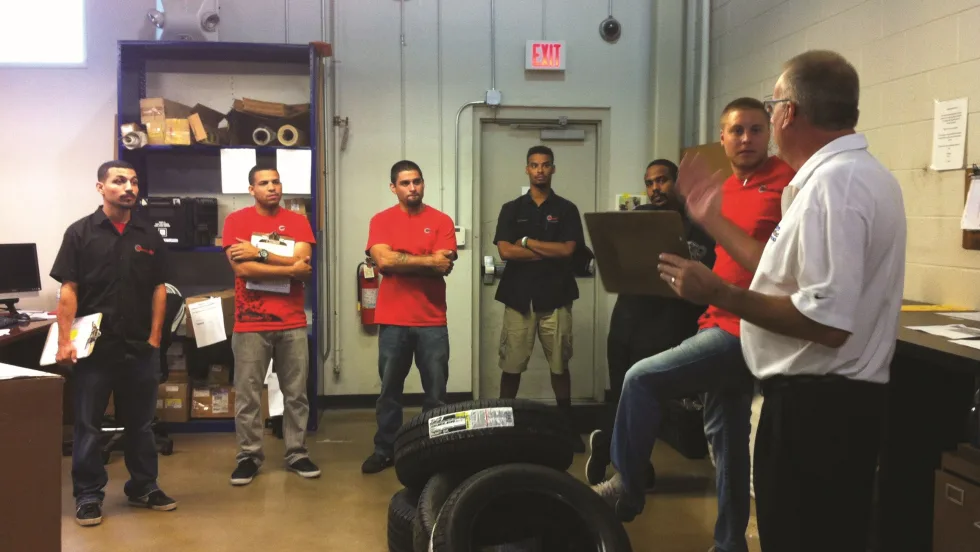
Developing Budget-Friendly Driver Safety Programs
From driver training and safety meetings to one-on-one coaching and incentive programs, several small fleets share how they have developed a safety culture with their drivers using low- to no-cost resources.
Read More →
Boosting Last-Mile Fleet Uptime, Safety, and Value with AI Vehicle Inspections
AI-powered inspections are transforming last-mile fleets by replacing manual checks with highly accurate automated scans that detect defects in seconds. By giving fleet operations visibility into the daily condition of their vehicles, you can identify trends over the vehicle’s lifecycle that enable improved procurement decisions, route management, driver training and accountability.
Read More →

Five Ways Seat Belts Help Prevent Injuries
There are five ways seat belts protect occupants from injuries, according to the Tennessee Department of Safety and Homeland Security.
Read More →
Basic Tracking vs Next Generation Fleet Technology
Fleet software is getting more sophisticated and effective than ever, tying big data models together to transform maintenance, safety, and the value of your existing tech stack. Fleet technology upgrades are undoubtedly an investment, but updated technology can offer a much higher return. Read how upgrading your fleet technology can increase the return on your investment.
Read More →
It’s here: The 2026 Fleet Technology Trends Report
What does AI mean for fleets? Get the answer — and learn other top tech trends.
Read More →
Small Fleets, Big Impact: How Independent Drivers Power Wreaths Across America
Check out how small fleets and independent drivers power Wreaths Across America each December and why their impact matters more than ever.
Read More →
VMS Survey Finds 65% of Small Fleet Managers Run Operations Alone
A new VMS survey shows small fleet managers are stretched thin, with most handling operations solo and eager to adopt digital tools for relief.
Read More →
Tips for Driving Safely on Halloween Night
This video features a reminder from the Connecticut Department of Transportation (DOT) and the Connecticut Police Chiefs Association, urging drivers to prioritize safety this Halloween.
Read More →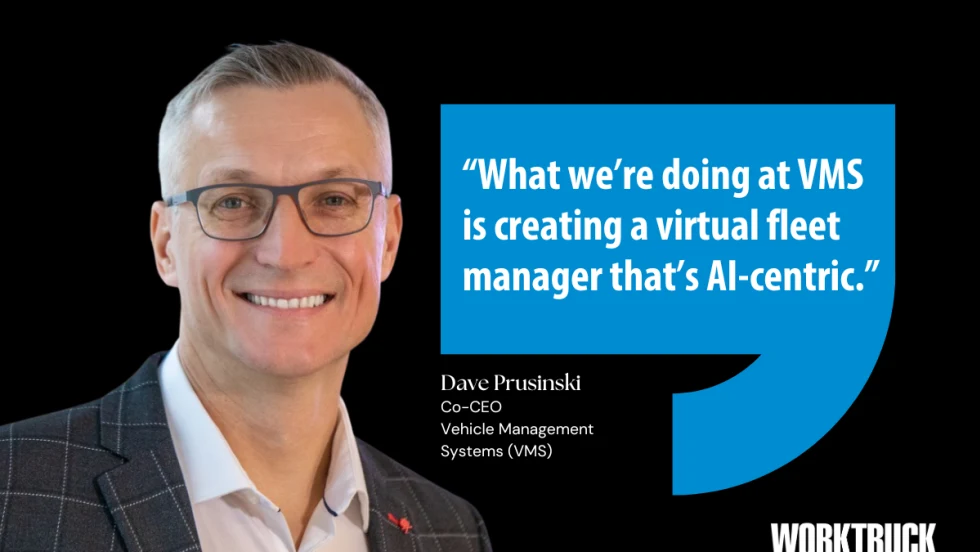
AI, Access, and Uptime: VMS’s Next Chapter with David Prusinski
VMS’s new Co-CEO, David Prusinski, shares how an AI-first approach will give small fleets and repair shops the tools to compete like big players.
Read More →