




How NV Energy Extended Fleet Maintenance Intervals
In this Q&A, NV Energy’s fleet maintenance team leader Randy Koss details the utility’s exportable power initiatives and findings, and how hybrid boom truck technology contributes to longer maintenance intervals.

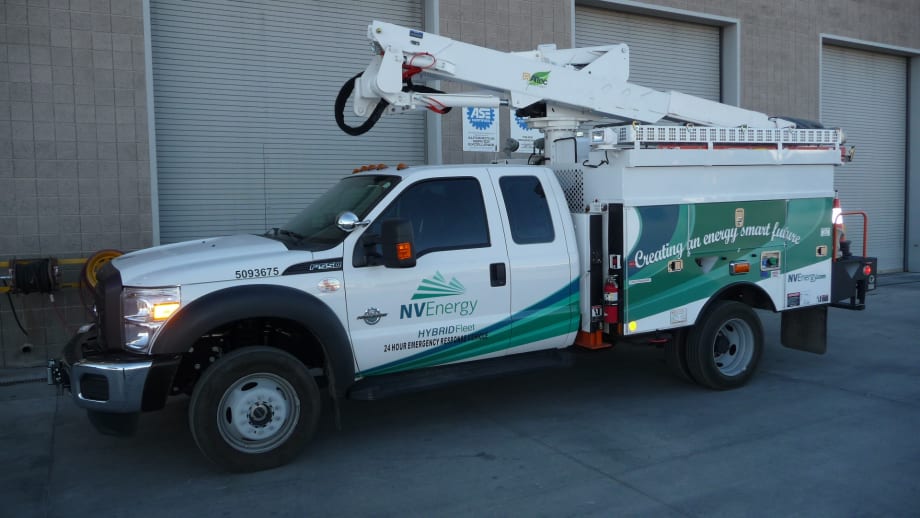
Photos courtesy of NV Energy.
This is an NV Energy hybrid trouble truck.
Photos courtesy of NV Energy.
This is an NV Energy hybrid trouble truck.
- By Joanne Tucker
Randy Koss, fleet maintenance team leader for NV Energy (NVE), details the utility’s fleet and current initiatives and challenges within fleet management, such as reducing idle time on newer diesel trucks. Koss explains in this Q&A with Utility Fleet eNews how NVE is able to extend maintenance intervals and gain driver buy-in on hybrid equipment.
NVE has a total of about 1,450 units of rolling stock including service bucket trucks operating between Reno, Nev. and Las Vegas. Within the fleet, 30 trucks have electrified booms and Koss says there’s another 22 hybrid bucket trucks in the pipeline over the next year and a half. Four of the newest trucks hold canopy bodies with auxiliary power on the trucks, which will serve as mobile substations.
Q: When and why did you first begin adopting hybrid bucket trucks?
A: We ordered our first ones in 2008. A lot of it first had to do with problems we were facing with the diesel engines due to the high idle time and emissions restrictions.
Basically, the new diesels aren’t the old diesels. With the old diesels from 20 years ago, you could turn them on and walk away and fuel up and check the oil a week from now and it would still be running just fine. But the new ones aren’t designed that way with all the emissions restricting equipment on them.
The less idle time you can put on them, the better because they’re not burning the emissions back through the motor. So the hotter they run or the more extensively they run on the highway, the better off you are. But that’s not our use — we drive five miles to the jobsite and idle for six hours and leave the jobsite and come back. The trucks never really get to burn the emissions efficiently and that’s not good for these motors.
Another thing we are seeing positive results from are the newest diesel engines that use diesel exhaust fluid (DEF) technology with urea, and that’s actually helping us because it’s washing more of that through the exhaust instead of trying to put that back through the motor. We’ll see long term how it works, but technology everyone was scared of is something that is actually helping us.
Q: So why hybrids and not another fuel type, such as natural gas?
A: Utility fleets are such a perfect fit for hybrid technology because we run so much auxiliary power off the units, such as with the power take-offs (PTOs). We are one of the few markets where it doesn’t necessarily have to be tied to the drivetrain to see a return on investment. The mileage isn’t what kills us, it’s the engine hours.
We’ve looked at compressed natural gas (CNG) but there’s no CNG infrastructure yet really, though everyone is putting their eggs in that basket, which is kind of funny because the exportable power part of the electrified hybrid systems is what really works for us. If I can cut the idle time, that’s where it really helps us — that’s where my fuel savings are.
Q: What kind of savings are you seeing with the hybrid bucket trucks?
A: On my regular trucks, we are idling an average of 46-76% of the time, whereas the hybrids are hitting around 36% with some of the best utilized units at 19%. We’re just looking at percentage of idle time right now, and fuel savings we will figure out down the road. Right now it’s about maintenance and being able to extend my regular maintenance intervals.
The maintenance on those new diesel units are so expensive when you start talking about oil changes at 250-hour service intervals. I have people trying to sell me all kinds of products, but if I have to change the oil at every 250 hours to keep my warranty, what am I really saving? So going to the hybrid trucks, it’s reducing those engine hours.[PAGEBREAK]
Q: Are your replacement cycles any different with the hybrids?
A: Where I’m at in Vegas, we usually run the trucks off a seven-year change-out on the smaller booms, but we may be able to extend that to 10 or 12 years because we don’t have the engine hours.
Most of our guys in those trouble trucks, the boom hours are a tenth of what the engine hours are. So it’s not like you’ve worn out any components on the boom, you’ve worn out the chassis. You’re likely going to go to body swaps, where you’d pull it off one chassis and roll another one underneath it, which is what we’re looking at with the hybrid stuff to be able to recoup that. So we’ll keep the boom in, but cycle out the chassis. But hopefully, if we kill enough of the idle time, we’ll be able to keep that chassis in for longer as well.
Q: What types of challenges did you face in procuring the hybrid technology?
One of the biggest challenges is getting the operators on board. Some of them love them and some of them want to run them in mechanical mode because you can still run it in regular diesel mode. So educating the operators to use them to their full potential has been important for us. Getting them to understand that all you need to do is drive up to the jobsite and push the button and let it turn the truck off and take over. It controls all the cab power too so their computer power, interior lights and emergency lights, all that stuff is powered off the auxiliary — from the hybrid battery pack.
It’s more of a perception on their part that ‘this is the way we’ve always done it.’ And then there’s that comfort factor of letting the technology help them instead of trying to go against the grain, shall we say.
Those who like it say they like it when they’re up in the air because now it’s quiet, because you can actually talk to someone down on the ground. The ones that have adopted them, love them — and probably wouldn’t have a regular truck again.
The other operators, we really have to guide the process. You educate them, and for some of them, honestly, we’ve taken the keys out of the part of the units that allow them switch the units from hybrid to mechanical mode while they’re working so they can’t switch it. How’s that for force feeding them?
But it’s really about continually educating them that it’s a tool for them to use; it’s for their benefit, and really everyone’s benefit. If you don’t want to suffer the downtime and transfer tools and have your truck in the shop, then utilize the technology we’re giving you. That truck shouldn’t see any shop time. We’ve been able to extend maintenance intervals now because we’re not doing the same kind of idle time. (This meaning time between visits for service not a change from hour requirements for warranty purposes.)
And when operators can stay in their trucks, they’re usually happier. When you start switching them, well, the world ends.
Q: What does the future look like in NV Energy’s procurement strategies?
A: Pretty much, we’ve included in our specs moving forward that we will have a hybrid option on pretty much every unit that we order in one way or another — whether it’s a foreman’s truck with just a regular service body or a bucket truck.
Basically, we’re looking at the hybrid options on everything that we purchase to be able to utilize that eliminating of idle time. We’re trying to keep the maintenance costs in check and with everything the way it is, that’s our toughest challenge.
Extending hybrids to the drivetrain on even larger trucks, that’s where I think it will be huge for this industry. If you can electrify buckets and put auxiliary power to those units from Class 8 down to Class 5, you’re really going to see your savings long term.
Q: Are there any other ways that you’re able to control costs?
A: We’ve been linked up to GPS since 2008 to track engine idling and mileage, and then engine alerts for maintenance. Plus, it has morphed into other things within the company for scheduling and jobs and locations, but we started using telematics in the fleet first to get a better handle on the maintenance concerns.
The data is also helpful with idling. It helps us enforce the drivers not keen on the hybrid booms, but we take that data to the leaders instead of going to the drivers. We work with leadership to pass that data down so they can say, “Hey, what are you guys doing? We’re paying for the technology and we need to use it because in the long term, it will keep you in your truck and reduce costs overall.”
More Utility Fleet
Reduce Noise & Idling with Viatec’s ePTO
Viatec's Workforce ePTO lets utility trucks power booms, outriggers, and auxiliary equipment using battery power instead of idling the engine. Learn how this technology helps reduce fuel use, noise, engine wear, and emissions while improving operator comfort.
Read More →
Why Utility Fleets Choose the Kenworth T380
The Kenworth T380 is engineered for utility fleets with custom chassis layouts, optimized frame rails, 4x4 capability, and improved driver visibility. See how its design helps maximize upfit flexibility and field performance.
Read More →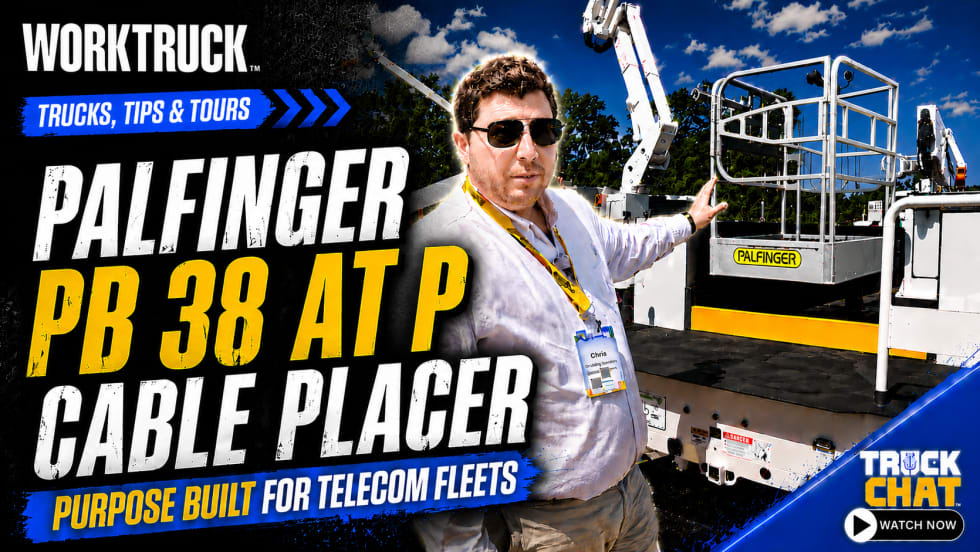
PALFINGER PB 38 AT P: Purpose-Built for Telecom Fleets
Purpose-built for telecommunications crews, the PALFINGER PB 38 ATP combines a 43-foot working height, flexible basket stowage, integrated cameras, and operator communication systems to improve productivity and safety during fiber and overhead cable installation.
Read More →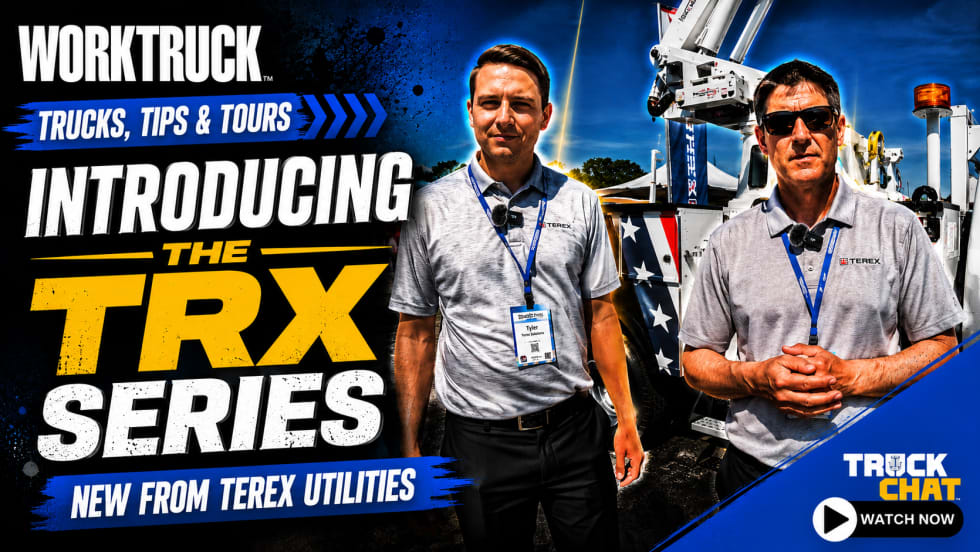
Inside Terex Utilities' Latest Work Truck Innovations
Terex Utilities is advancing utility fleet operations with its new TRX aerial platforms, Flex Pro controls, and AI-powered 3rd Eye safety technology. See how these innovations are helping fleets work safer, smarter, and more productively.
Read More →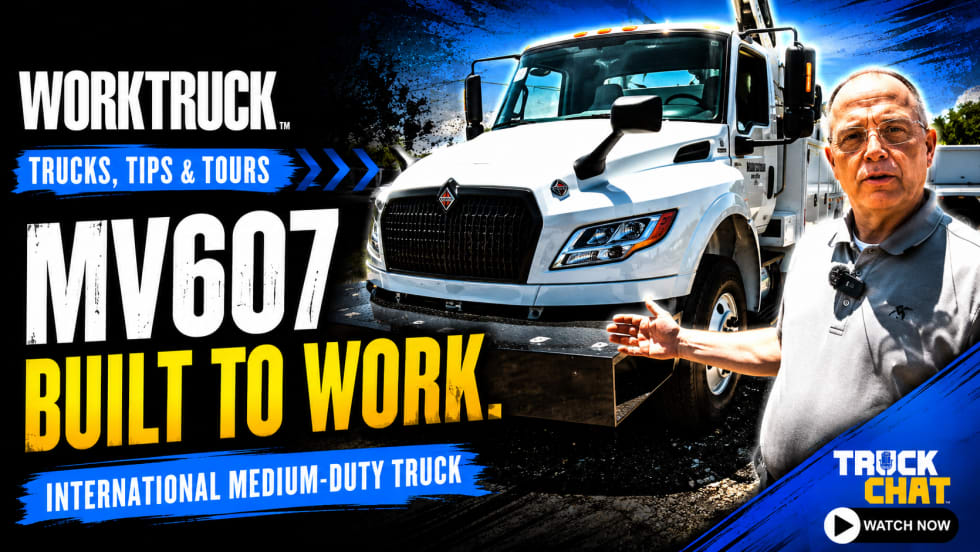
Walkaround of International MV607 Digger Derrick
The International MV607 combines advanced safety technologies, excellent visibility, vocational flexibility, and seamless body integration to create a powerful platform for utility fleet operations. Take a closer look at this Altec digger derrick configuration from EUFMC.
Read More →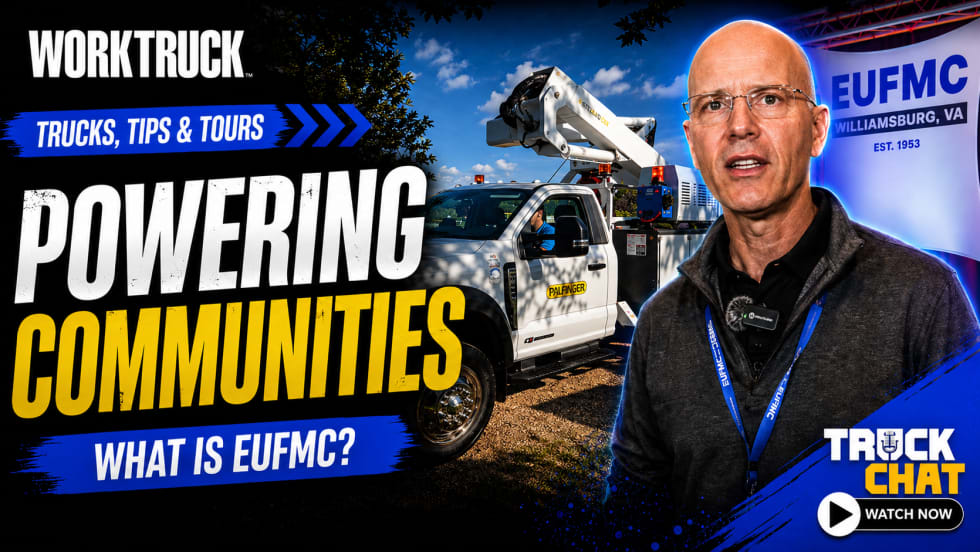
Inside the Electric Utility Fleet Managers Conference
What is EUFMC? For more than seven decades, the Electric Utility Fleet Managers Conference has served as a hub for collaboration, education, and innovation within the utility fleet industry. In this video, Work Truck talks to EUFMC President Greg Loew to learn more.
Read More →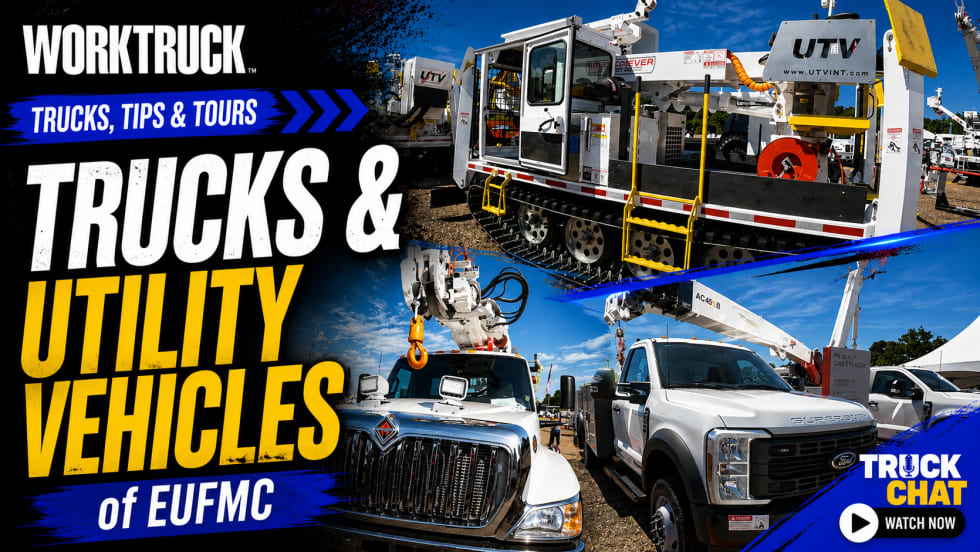
Inside the EUFMC Equipment Expo & Drive-Through
Follow Work Truck as we check out the trucks and other vehicles that were showcased at the Electric Utility Fleet Managers Conference in Williamsburg, Virginia. Whether looking for something on tires or treads, it was there for fleet managers to see.
Read More →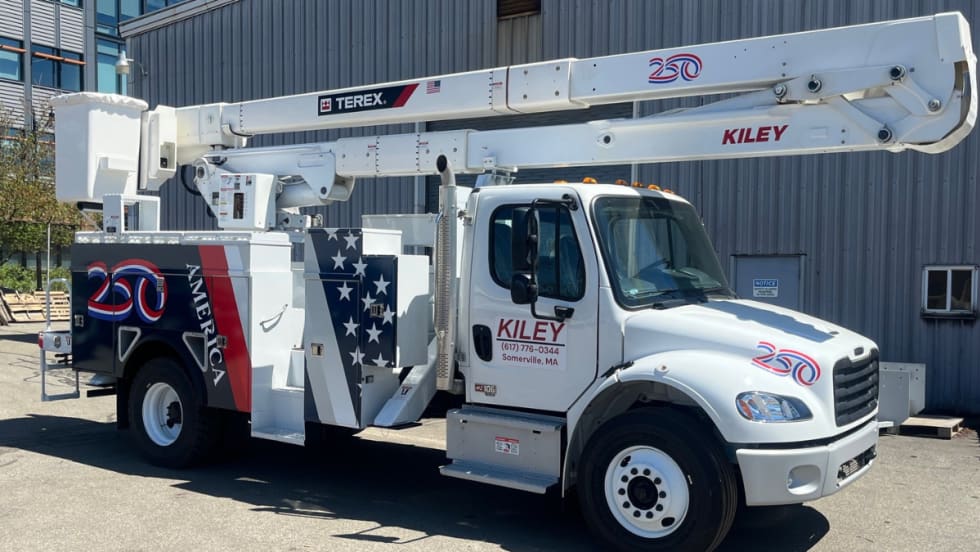
Terex Utilities & Kiley Unveil Custom America 250 Bucket Trucks at EUFMC 2026
Terex Utilities showcased a patriotic spirit in its booth this week during the Electric Utility Fleet Managers Conference in Williamsburg, Virginia, by debuting two custom-wrapped bucket trucks celebrating America’s upcoming 250th anniversary.
Read More →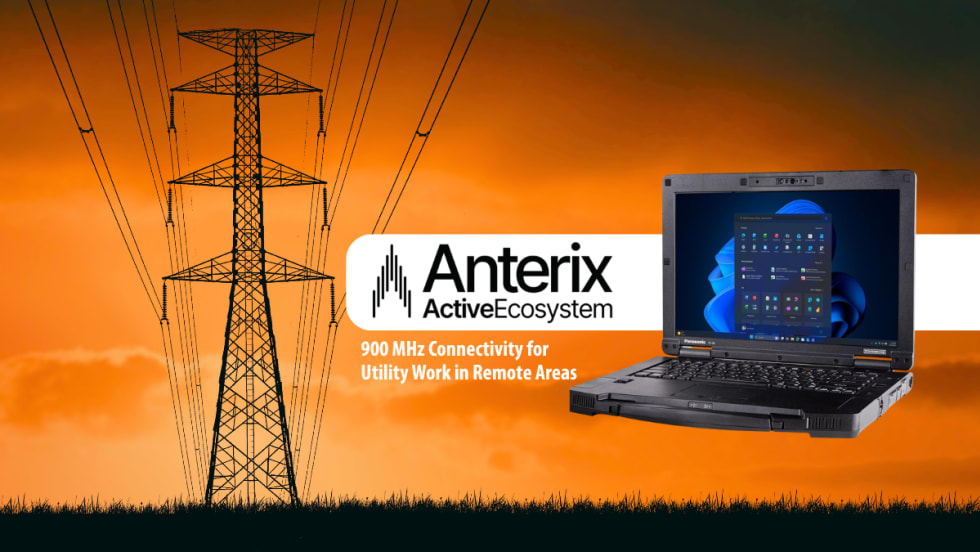
Panasonic Connect & Anterix Strengthen Connectivity Options for Utilities and Field Workers
The Panasonic Connect Toughbook 56 is the first Toughbook to earn the AnterixActive badge, which means it can connect to and operate on Anterix’s 900 MHz network even in the most remote locations.
Read More →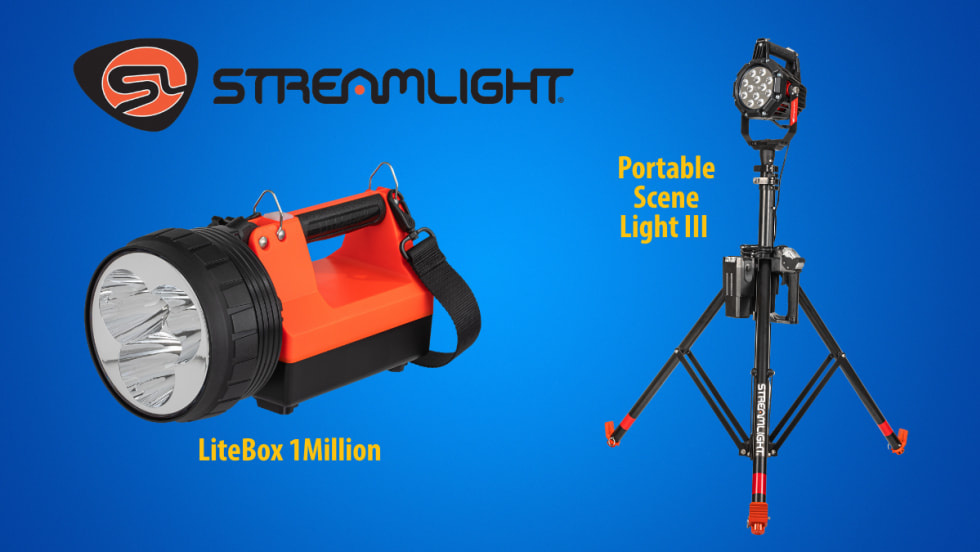
Streamlight Launches Portable Scene Light III & LiteBox 1Million
Streamlight has launched its Portable Scene Light III (PSL III), which delivers up to 10,000 lumens, and the LiteBox 1Million, a long-range search light that delivers one million candela.
Read More →