




High Tech: How Much is Too Much?
News that motorists soon will be able to track and trade stocks at the wheel offers more proof that the can't-take-it-with-you mentality doesn't apply to automobiles, according to a Feb. 20 Associated Press story by Jim Suhr. But as carmakers consider such high-tech offerings making vehicles extensions of one's offices these days, others sound a note of caution, maintaining that the race to equip vehicles with an array of telematics spells trouble down the road. Safety experts are giving increasing attention to the dangers of driver distraction. Many say research on safety issues surrounding in-vehicle telematics has not kept pace with the innovation itself. "I just don't see people putting the brakes on applications of this," said Paul Green, a University of Michigan Transportation Research Institute scientist. Paul Green, a University of Michigan Transportation Research Institute (UMTRI) scientist, says government should impose regulations on in-vehicle technology. Green fears that telematics may go too far. Automakers, parts companies and electronics firms have been rushing to fashion vehicles with various wireless telecommunications and online services being developed and heavily promoted. None of the players wants to miss out on a lucrative new source of income; UBS Warburg has estimated that worldwide revenue from telematics will grow from roughly $4 billion now to $47.2 billion in 2010. More than 1 million vehicles in the United States are equipped with telematic devices, mostly new OnStar-equipped General Motors Corp. vehicles. OnStar, which has about 800,000 subscribers in the U.S. and Canada, expects more than 4 million vehicles to be equipped with the service by 2003, spokesman Nick Richards said. Many analysts say at least half of all U.S. vehicles could have at least basic telematics by 2006. All the while, the technology keeps evolving, according to Suhr. With the recent announcement by GM and Fidelity Investments unveiling their alliance to provide in-vehicle stock quotes and financial information through OnStar's Virtual Advisor service, concerns are increasing in some quarters over the potential for driver distraction. The service, already is available in the Northeast, will be rolled out nationwide in April. It will be expanded to let Fidelity clients retrieve account balances and do wireless trading. Among other things, OnStar offers automatic notification of airbag deployment, tracking of stolen vehicles, emergency services, roadside assistance with location, and remote door unlock and diagnostics. Virtual Advisor offers Web-based information such as e-mail, news, sports reports and weather. OnStar uses voice-activated, hands-free software allowing drivers to keep their eyes on the road as the information is read to them -- which the providing companies say makes the service safe to use while driving. Ford Motor Company, joining the telematics fray, last summer announced a joint venture with Qualcomm Inc. to offer telematics-equipped vehicles. And DaimlerChrysler AG's Chrysler arm last month showed off a test version of telematics. It has a voice-responsive dashboard computer unit and two touchscreen computer systems in the back on which occupants can play games, surf the Internet or download digital audio files. At the Tokyo auto show last fall, Isuzu Motors showed off a futuristic offering with a steering wheel that sets off an alarm system when the driver begins swerving out of the lane or gets an irregular heartbeat. And a Nissan Motor Company concept taxi gets weather forecasts, news and other information through a cell phone, all while letting riders watch digital video disk movies with surround-sound. Automakers, with an ongoing National Highway Transportation Safety Administration (NHTSA) study and possible regulatory legislation hanging over their heads, have launched investigations into how much of a distraction such technologies create. The Network of Employers for Traffic Safety -- campaigning to encourage responsible use of new vehicle technologies -- says distracted drivers cause at least 4,000 accidents a day, perhaps as many as 8,000. A 1997 study in the New England Journal of Medicine found that talking on a phone while driving quadrupled the risk of an accident and was almost as dangerous as being drunk behind the wheel. And a recent study said the unusual acts required for talking with a computer -- understanding a digitized voice, speaking slowly, remembering a list of spoken commands -- takes more thought than talking to a passenger. While automakers have integrated phones in cars to take hand-held ones out of play, Green said more can be done. His suggestion: Develop computerized "workload managers" that assess real-time, individualized driving demands, then adjust flow of telematics information accordingly. During heavy traffic, for instance, the system might route incoming cell phone calls to an answering machine. Without detailing its research plans, GM said it has been cognizant of driver distraction for decades but recognizes that motorists increasingly want more information. Industry experts have argued that cell phones and telematics unfairly are being targeted when activities like using a CD player, eating, putting on makeup, dealing with unruly children, and even reading while driving are more distracting. GM plans to spend $10 million over three years to educate motorists about the hazards of distracted driving and study the issue's breadth. Ford will spend the same amount on a driving simulator and research to measure how drivers interact with cell phones, in-car Internet services and other electronic gadgets while behind the wheel, according to Suhr.
More Small Fleet


Developing Budget-Friendly Driver Safety Programs
From driver training and safety meetings to one-on-one coaching and incentive programs, several small fleets share how they have developed a safety culture with their drivers using low- to no-cost resources.
Read More →
Boosting Last-Mile Fleet Uptime, Safety, and Value with AI Vehicle Inspections
AI-powered inspections are transforming last-mile fleets by replacing manual checks with highly accurate automated scans that detect defects in seconds. By giving fleet operations visibility into the daily condition of their vehicles, you can identify trends over the vehicle’s lifecycle that enable improved procurement decisions, route management, driver training and accountability.
Read More →
Five Ways Seat Belts Help Prevent Injuries
There are five ways seat belts protect occupants from injuries, according to the Tennessee Department of Safety and Homeland Security.
Read More →
It’s here: The 2026 Fleet Technology Trends Report
What does AI mean for fleets? Get the answer — and learn other top tech trends.
Read More →
Small Fleets, Big Impact: How Independent Drivers Power Wreaths Across America
Check out how small fleets and independent drivers power Wreaths Across America each December and why their impact matters more than ever.
Read More →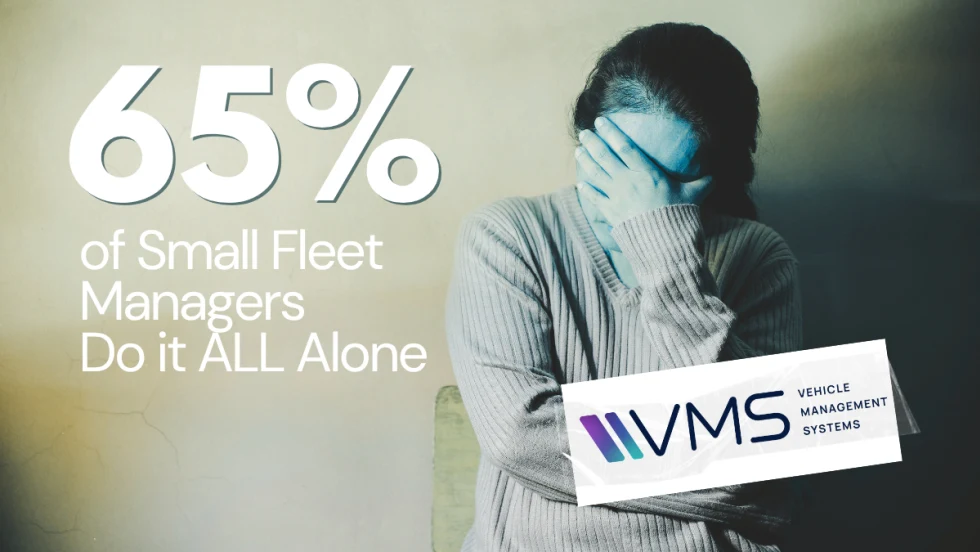
VMS Survey Finds 65% of Small Fleet Managers Run Operations Alone
A new VMS survey shows small fleet managers are stretched thin, with most handling operations solo and eager to adopt digital tools for relief.
Read More →
Tips for Driving Safely on Halloween Night
This video features a reminder from the Connecticut Department of Transportation (DOT) and the Connecticut Police Chiefs Association, urging drivers to prioritize safety this Halloween.
Read More →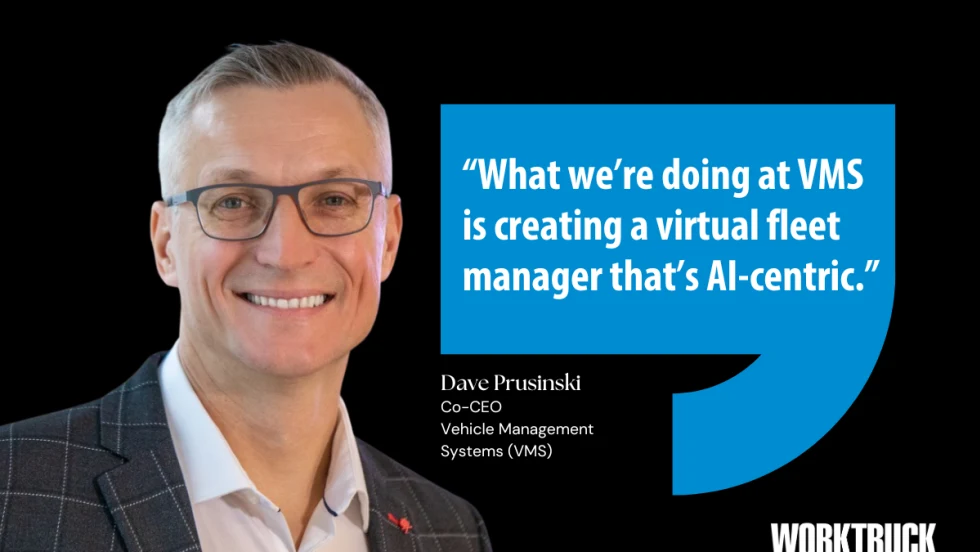
AI, Access, and Uptime: VMS’s Next Chapter with David Prusinski
VMS’s new Co-CEO, David Prusinski, shares how an AI-first approach will give small fleets and repair shops the tools to compete like big players.
Read More →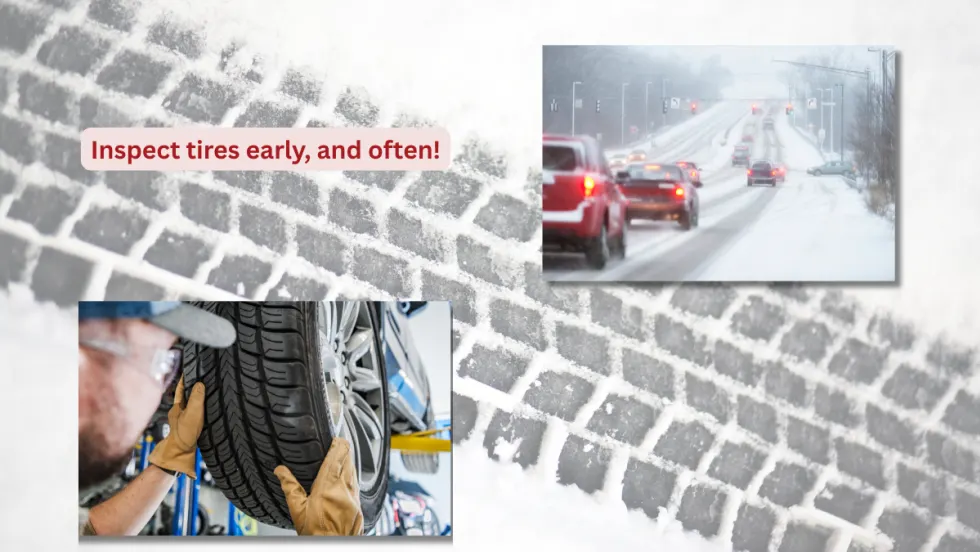
Fleet Managers Share Winter Prep Tips: It's Never Too Early!
Three fleets share best practices to prep vehicles for winter and prevent downtime when the cold sets in.
Read More →