




High Fatality Rate Found in Cars That Crash With Explorers
A new federal study of how vehicles interact in crashes has found that Ford Explorer sport utility vehicles seem to be especially deadly to the occupants of cars they hit, even compared with other midsize sport utility vehicles, according to a Feb. 13 story by Keith Bradsher in The New York Times. The statistical study calculated that four-door Explorers with four-wheel drive killed 10 car drivers for every 1,000 crashes between Explorers and cars that were reported to police from 1991 through 1997. According to the study, several other midsize SUVs, like the Jeep Grand Cherokee, Toyota 4Runner and Chevrolet Blazer, killed five to seven car drivers for every 1,000 crashes with cars. The overall rate for car drivers in collisions with other cars was six-tenths of a death per 1,000 crashes, according to the study, which was issued by the National Highway Traffic Safety Administration (NHTSA). The analysis was performed by Hans Joksch, a University of Michigan researcher and traffic safety statistician, under a contract from NHTSA, which is a part of the Transportation Department. Limited numbers of crashes in the database for each model created a fairly wide range of error in the calculations. With the Explorer, for example, there was a 95 percent chance that the true death rate of car drivers was 7 to 13 per 1,000 crashes. The error range meant that it was statistically possible, although unlikely, that one or more of the other midsize sport utilities was deadlier than the Explorer. The study also cautioned that the error ranges themselves might be imprecise. But of the seven sport utilities for which adequate data existed to analyze death rates, only the Isuzu Trooper inflicted a low enough death rate on cars to be comparable with cars, according to the study. Ford dismissed the study as meaningless because of the wide ranges of error. The study also did not review any full-size SUVs, which might inflict more damage than the Explorer, according to Ford officials. Ford said there was not enough crash data yet for the larger models, which did not enter the market in very large numbers until 1995. And while error ranges may be wide for individual models, the errors in comparing models are likely to be much smaller, Ford noted. Ford has redesigned the 2002 Explorer, scheduled to go on sale later this month, to make it less deadly to the occupants of cars it hits. For example, the steel beams behind the new Explorer's bumper are within millimeters of the same height as the steel beams behind the bumper of a Ford Taurus sedan. Earlier Explorers, including all of those covered by the Feb. 13 study, had the steel beams 2.6 inches higher, increasing the risk that the Explorer would slide over cars' hoods and door sills during collisions. The study calculated safety records as part of an effort to learn the relative roles of vehicles' weight, stiffness and height in causing damage to other vehicles. The study failed to establish the relative roles, its primary objective, concluding that more research was needed. The study did conclude that the weight alone of the Explorer and other SUVs did not explain their deadliness: large cars that weigh as much as the Explorer typically kill two car drivers per 1,000 crashes reported to the police, the study found. Although SUV occupants fare well in crashes with cars, overall death rates for sport utility occupants are similar to death rates for car occupants, mainly because SUVs roll over much more often.
More Small Fleet


Developing Budget-Friendly Driver Safety Programs
From driver training and safety meetings to one-on-one coaching and incentive programs, several small fleets share how they have developed a safety culture with their drivers using low- to no-cost resources.
Read More →
Boosting Last-Mile Fleet Uptime, Safety, and Value with AI Vehicle Inspections
AI-powered inspections are transforming last-mile fleets by replacing manual checks with highly accurate automated scans that detect defects in seconds. By giving fleet operations visibility into the daily condition of their vehicles, you can identify trends over the vehicle’s lifecycle that enable improved procurement decisions, route management, driver training and accountability.
Read More →

Five Ways Seat Belts Help Prevent Injuries
There are five ways seat belts protect occupants from injuries, according to the Tennessee Department of Safety and Homeland Security.
Read More →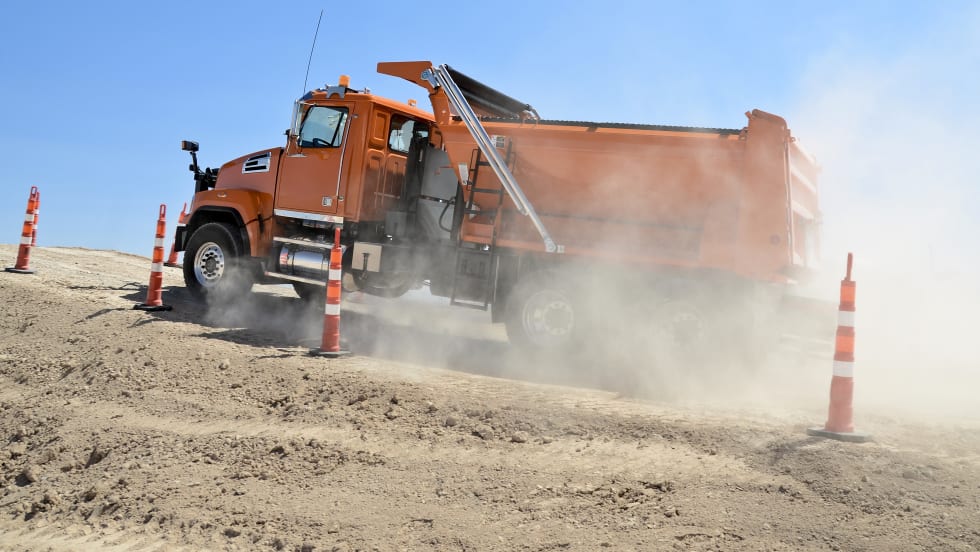
Basic Tracking vs Next Generation Fleet Technology
Fleet software is getting more sophisticated and effective than ever, tying big data models together to transform maintenance, safety, and the value of your existing tech stack. Fleet technology upgrades are undoubtedly an investment, but updated technology can offer a much higher return. Read how upgrading your fleet technology can increase the return on your investment.
Read More →
It’s here: The 2026 Fleet Technology Trends Report
What does AI mean for fleets? Get the answer — and learn other top tech trends.
Read More →
Small Fleets, Big Impact: How Independent Drivers Power Wreaths Across America
Check out how small fleets and independent drivers power Wreaths Across America each December and why their impact matters more than ever.
Read More →
VMS Survey Finds 65% of Small Fleet Managers Run Operations Alone
A new VMS survey shows small fleet managers are stretched thin, with most handling operations solo and eager to adopt digital tools for relief.
Read More →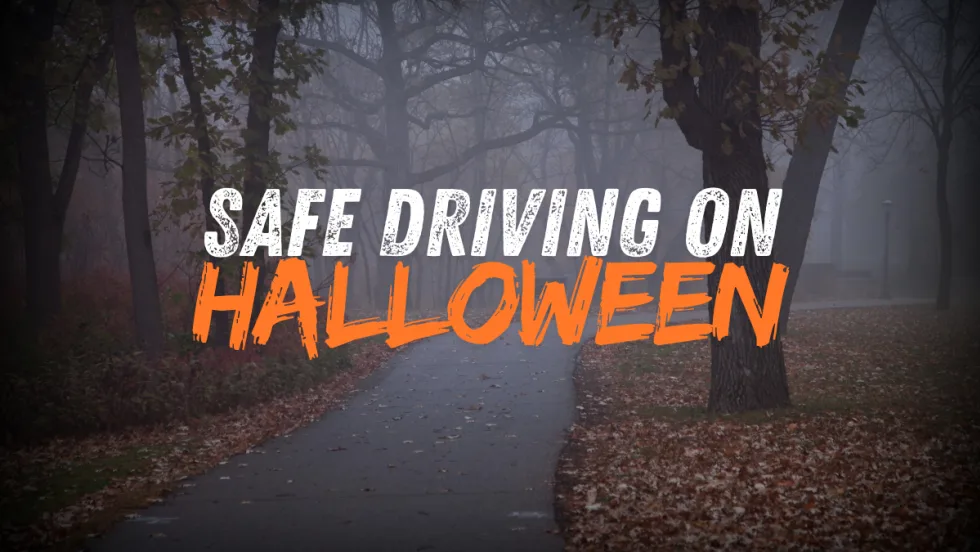
Tips for Driving Safely on Halloween Night
This video features a reminder from the Connecticut Department of Transportation (DOT) and the Connecticut Police Chiefs Association, urging drivers to prioritize safety this Halloween.
Read More →
AI, Access, and Uptime: VMS’s Next Chapter with David Prusinski
VMS’s new Co-CEO, David Prusinski, shares how an AI-first approach will give small fleets and repair shops the tools to compete like big players.
Read More →