




Headlights Improve on 2018 Models: IIHS
The best-available headlights on 32 of 165 2018 models evaluated by the Insurance Institute for Highway Safety (IIHS) earned the highest rating of good — marking a significant improvement over only two of 95 2016-model headlight systems that earned a good rating.

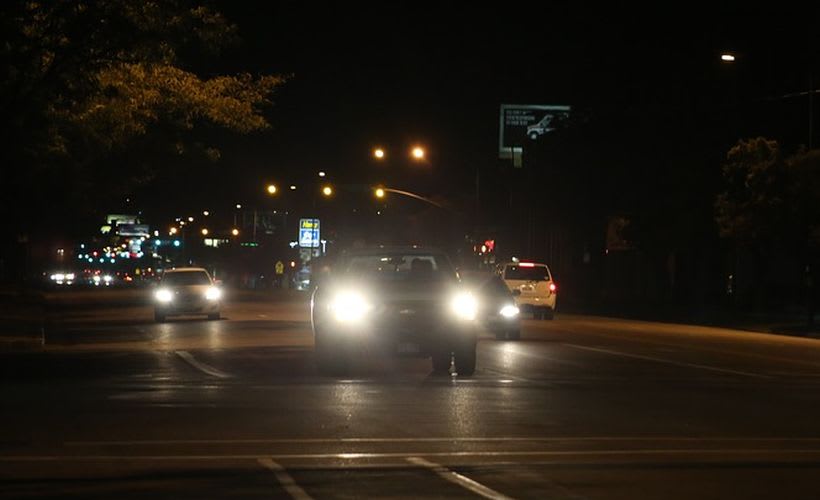
Vehicle headlights improved drastically in the 2018 model year compared to the 2016 model year.
Photo via Pixabay.
The best-available headlights on 32 of 165 2018 models evaluated by the Insurance Institute for Highway Safety (IIHS) earned the highest rating of good — marking a significant improvement over only two of 95 2016-model headlight systems that earned a good rating.
In addition, for the 2018-model year, the best-available headlights on 58 models garnered the second-highest rating of acceptable. Of the total, 32 models have only marginal-rated headlights, while poor-rated headlights are the only ones available for 43 models.
Approximately half of all fatal crashes nationwide occur in the dark and more than a quarter happen on unlit roads.
While more than 50% of 2018 models it evaluated are available with headlights that do an adequate job of lighting the roadway in the dark, most good-rated headlights are optional or bundled with other features — requiring an additional price tag, according to the institute.
Because a single vehicle model may offer different headlight options, institute engineers evaluated a total of 424 headlight variants on 2018 models. Of these, 67% got either a marginal or poor rating due to inadequate visibility, excessive glare from low beams for oncoming drivers, or both.
Another noteworthy finding, only two 2018 models evaluated — the Genesis G90 and the Lexus NX — come with good-rated headlights, despite the trim or options package.
The best-available headlights on the Chevrolet Volt, Genesis G80, Mercedes-Benz E-Class and Toyota Camry are rated good, while the lowest are rated acceptable. Also, 15 other models have acceptable-rated headlights across the board.
For most other vehicles, consumers have to select a top trim line to get the best available headlight performance, according to the institute.
Some 17 vehicles with good-rated headlights also have poor-rated variants. Among these is the Hyundai Kona, for example. While the LED projector headlights on the high-end Kona give a driver traveling at 65mph ample time to identify obstacles and brake to a stop, the halogen lights on the base-model means a driver would need to go 25 mph slower in order to stop.
Other key findings from the IIHS report include:
Toyota and its Lexus luxury brand lead the way with the most 2018 models that only offer headlights that rate good or acceptable.
The Honda Ridgeline is the only pickup with available headlights that earn a good rating. However, the price tag is nearly $12,000 more than the base model, which only comes with poor-rated headlights.
Correctly aimed low beams light up the road ahead without temporarily blinding drivers of oncoming vehicles. Subaru is among a handful of manufacturers that made running changes to certain 2018 models to improve ratings, mostly by readjusting headlight aim. The Crosstrek moved to a good rating from poor for its best-available headlights, the Forester climbed to acceptable from marginal, and the Outback rose to good from acceptable.
Additional manufacturers that made similar running changes include Hyundai/Kia, Mazda, Mercedes-Benz, Volkswagen and Volvo.
High-beam assist is quickly gaining traction — 45% of the 2018 models evaluated have the feature as compared with just 37% in 2017. Vehicles with high-beam assist earn extra credit in IIHS headlight evaluations.
Originally posted on Automotive Fleet
More Small Fleet


Developing Budget-Friendly Driver Safety Programs
From driver training and safety meetings to one-on-one coaching and incentive programs, several small fleets share how they have developed a safety culture with their drivers using low- to no-cost resources.
Read More →
Boosting Last-Mile Fleet Uptime, Safety, and Value with AI Vehicle Inspections
AI-powered inspections are transforming last-mile fleets by replacing manual checks with highly accurate automated scans that detect defects in seconds. By giving fleet operations visibility into the daily condition of their vehicles, you can identify trends over the vehicle’s lifecycle that enable improved procurement decisions, route management, driver training and accountability.
Read More →
Five Ways Seat Belts Help Prevent Injuries
There are five ways seat belts protect occupants from injuries, according to the Tennessee Department of Safety and Homeland Security.
Read More →
It’s here: The 2026 Fleet Technology Trends Report
What does AI mean for fleets? Get the answer — and learn other top tech trends.
Read More →
Small Fleets, Big Impact: How Independent Drivers Power Wreaths Across America
Check out how small fleets and independent drivers power Wreaths Across America each December and why their impact matters more than ever.
Read More →
VMS Survey Finds 65% of Small Fleet Managers Run Operations Alone
A new VMS survey shows small fleet managers are stretched thin, with most handling operations solo and eager to adopt digital tools for relief.
Read More →
Tips for Driving Safely on Halloween Night
This video features a reminder from the Connecticut Department of Transportation (DOT) and the Connecticut Police Chiefs Association, urging drivers to prioritize safety this Halloween.
Read More →
AI, Access, and Uptime: VMS’s Next Chapter with David Prusinski
VMS’s new Co-CEO, David Prusinski, shares how an AI-first approach will give small fleets and repair shops the tools to compete like big players.
Read More →
Fleet Managers Share Winter Prep Tips: It's Never Too Early!
Three fleets share best practices to prep vehicles for winter and prevent downtime when the cold sets in.
Read More →