




HazMat Transport Permits Converted into Fed Regulations
WASHINGTON - The U.S. Department of Transportation's Pipeline and Hazardous Materials Safety Administration (PHMSA) on Feb. 1 announced it was incorporating the provisions of six widely used cargo tank special permits into federal hazardous materials regulations.
WASHINGTON - The U.S. Department of Transportation's Pipeline and Hazardous Materials Safety Administration (PHMSA) on Feb. 1 announced it was incorporating the provisions of six widely used cargo tank special permits into federal hazardous materials regulations.
The PHMSA described the move as "another step in its efforts to improve the safe transport of hazardous materials." This new regulation will cut down on thousands of special permit applications per year, according to the department.
The special permits incorporated into regulations have long-established safety records, PHMSA said. Like all special permits, these were used to approve processes for hazmat transport not explicitly spelled out in PHMSA regulations. Over the years, the practices approved in these permits became commonplace.
"This rulemaking is another step in incorporating tested transportation technologies and operations from longstanding special permits into the regulations, promoting safety and streamlining our processes," said PHMSA Administrator Cynthia Quarterman.
Streamlining the hazardous materials special permit and approvals process has been a stated priority for PHMSA. Last year, the Department of Transportation released an action plan to improve PHMSA's safety oversight, processes, and procedures and policies for its hazardous materials special permits and approvals program.
Listed below are the six special permits that will be incorporated into the hazardous materials regulations pertaining to the shipment of certain hazardous materials in cargo tanks.
Two of the special permits cover hazardous materials mounted on farm trucks used exclusively for agricultural purposes:
-- Liquefied petroleum gas (LPG)
-- Liquid soil pesticide (toxic substances)
One special permit covers the transportation of hazardous materials used for striping roads.
One special permit authorizes private motor carrier companies to transport propane tanks most commonly used for home heating and cooking.
Two special permits address nurse tanks:
-- The first covers the transportation of nurse tanks securely mounted on field trucks.
-- The second authorizes the use of the nurse tanks carrying anhydrous ammonia under certain conditions when the tanks are missing or have illegible identification plates.
The final rule becomes effective 30 days after the date of publication in the Federal Register. The final rule is available on the PHMSA Web site at www.phmsa.dot.gov.
Originally posted on Automotive Fleet
More Small Fleet

Tips for Driving Safely on Halloween Night
This video features a reminder from the Connecticut Department of Transportation (DOT) and the Connecticut Police Chiefs Association, urging drivers to prioritize safety this Halloween.
Read More →
Simple Tire Checks That Help Keep Your Business Fleet Moving
A survey found that nearly one in every 10 passenger vehicles has at least one bald tire. What's more, 27% -- more than one in four -- of vehicles are driven with one or more severely under-inflated tires.
Read More →
Developing Budget-Friendly Driver Safety Programs
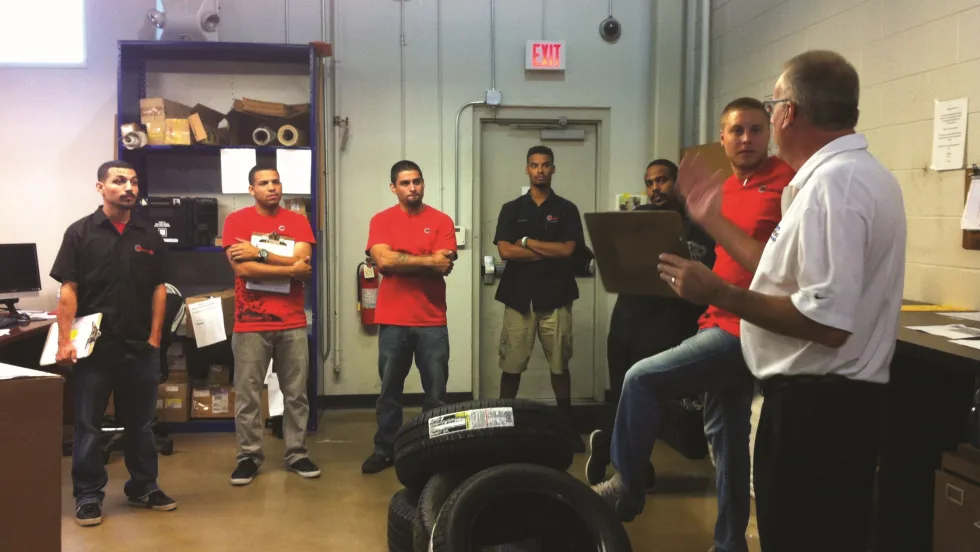
From driver training and safety meetings to one-on-one coaching and incentive programs, several small fleets share how they have developed a safety culture with their drivers using low- to no-cost resources.
Read More →
Boosting Last-Mile Fleet Uptime, Safety, and Value with AI Vehicle Inspections
AI-powered inspections are transforming last-mile fleets by replacing manual checks with highly accurate automated scans that detect defects in seconds. By giving fleet operations visibility into the daily condition of their vehicles, you can identify trends over the vehicle’s lifecycle that enable improved procurement decisions, route management, driver training and accountability.
Read More →
Five Ways Seat Belts Help Prevent Injuries
There are five ways seat belts protect occupants from injuries, according to the Tennessee Department of Safety and Homeland Security.
Read More →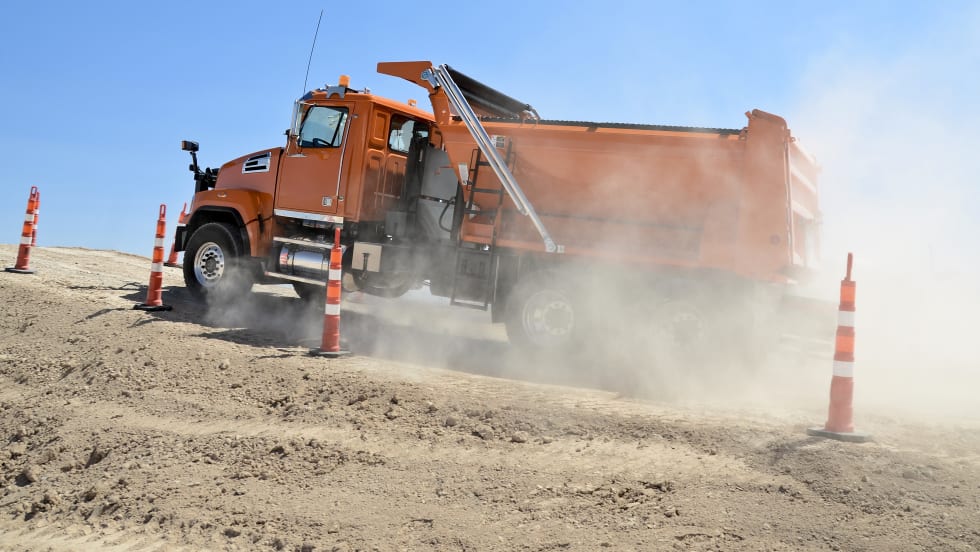
Basic Tracking vs Next Generation Fleet Technology
Fleet software is getting more sophisticated and effective than ever, tying big data models together to transform maintenance, safety, and the value of your existing tech stack. Fleet technology upgrades are undoubtedly an investment, but updated technology can offer a much higher return. Read how upgrading your fleet technology can increase the return on your investment.
Read More →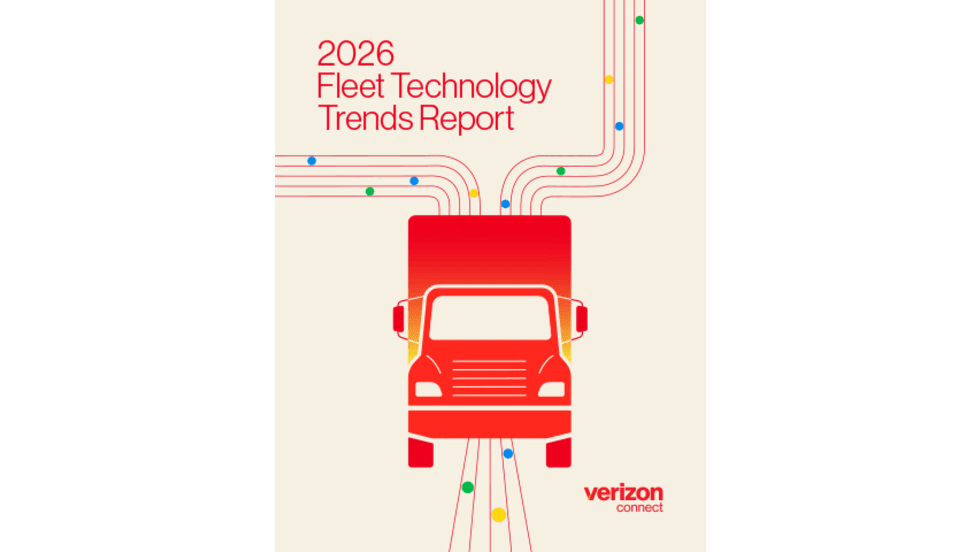
It’s here: The 2026 Fleet Technology Trends Report
What does AI mean for fleets? Get the answer — and learn other top tech trends.
Read More →
Small Fleets, Big Impact: How Independent Drivers Power Wreaths Across America
Check out how small fleets and independent drivers power Wreaths Across America each December and why their impact matters more than ever.
Read More →
VMS Survey Finds 65% of Small Fleet Managers Run Operations Alone
A new VMS survey shows small fleet managers are stretched thin, with most handling operations solo and eager to adopt digital tools for relief.
Read More →