




GPS Tracker Monitors Temperature in Refrigerated Vans
The Haas H1410-RVS combines traditional business tracking information such as location, engine on/off, and speed violations, with automatic and on-demand real-time temperature reports.
Haas GPS has announced the availability of an advanced business tracker aimed at users of refrigeration vans. The new unit combines traditional business tracking information such as location, engine on/off, and speed violations, with automatic and on-demand real-time temperature reports. The system can be configured to send text message and e-mail alerts if thermal readings exceed the range set by managers, according to the company.
Shippers of valuable perishable product will appreciate the benefits of the Haas H1410-RVS (refrigerated van sensor). Immediate notification of a refrigeration unit failure could result in the rescue of a full truckload of merchandise. Transport and delivery policies and procedures can be formulated based on the facts as presented on strip chart reports.
The H1410-RVS consists of a GPS tracker, an integrated cell phone, a built-in back-up battery re-charged by the vehicle alternator, a temperature probe, and an antenna. Clients are assigned a password protected control station accessible at www.HaasGPS.com. An electronic strip chart report is updated every ten minutes while the vehicle engine is on. It remains available for 90 days and until then is downloadable to an Excel spreadsheet. Temperatures outside of a configurable pre-set range can result in immediate e-mail and cell phone text message alert sent to fleet managers. The information provided can result in the prevention of a major loss, or at the very least, lead to more efficient practices.
The RVS is only the latest GPS tracker Haas makes available to provide asset management and protection information for individuals and businesses. It joins a line-up including the H1000 Personal Vehicle Tracker, the H1400 Business Fleet Tracker, and the H1420 Water Pump Sensor.
More Small Fleet


Developing Budget-Friendly Driver Safety Programs
From driver training and safety meetings to one-on-one coaching and incentive programs, several small fleets share how they have developed a safety culture with their drivers using low- to no-cost resources.
Read More →
Boosting Last-Mile Fleet Uptime, Safety, and Value with AI Vehicle Inspections
AI-powered inspections are transforming last-mile fleets by replacing manual checks with highly accurate automated scans that detect defects in seconds. By giving fleet operations visibility into the daily condition of their vehicles, you can identify trends over the vehicle’s lifecycle that enable improved procurement decisions, route management, driver training and accountability.
Read More →

Five Ways Seat Belts Help Prevent Injuries
There are five ways seat belts protect occupants from injuries, according to the Tennessee Department of Safety and Homeland Security.
Read More →
Basic Tracking vs Next Generation Fleet Technology
Fleet software is getting more sophisticated and effective than ever, tying big data models together to transform maintenance, safety, and the value of your existing tech stack. Fleet technology upgrades are undoubtedly an investment, but updated technology can offer a much higher return. Read how upgrading your fleet technology can increase the return on your investment.
Read More →
It’s here: The 2026 Fleet Technology Trends Report
What does AI mean for fleets? Get the answer — and learn other top tech trends.
Read More →
Small Fleets, Big Impact: How Independent Drivers Power Wreaths Across America
Check out how small fleets and independent drivers power Wreaths Across America each December and why their impact matters more than ever.
Read More →
VMS Survey Finds 65% of Small Fleet Managers Run Operations Alone
A new VMS survey shows small fleet managers are stretched thin, with most handling operations solo and eager to adopt digital tools for relief.
Read More →
Tips for Driving Safely on Halloween Night
This video features a reminder from the Connecticut Department of Transportation (DOT) and the Connecticut Police Chiefs Association, urging drivers to prioritize safety this Halloween.
Read More →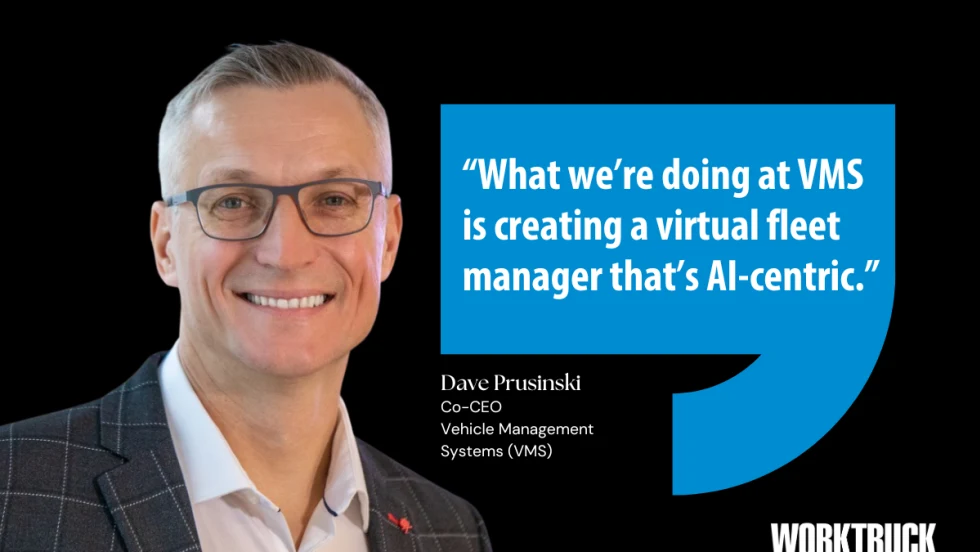
AI, Access, and Uptime: VMS’s Next Chapter with David Prusinski
VMS’s new Co-CEO, David Prusinski, shares how an AI-first approach will give small fleets and repair shops the tools to compete like big players.
Read More →