




Government Fleets Find Obstacles When Trying To Add Hybrids
Price, regulations and shrinking budgets make buying hybrids a difficult decision for government fleet managers trying to be environmentally responsible.
Government fleet managers are finding that they must take into account a number of factors when considering the addition of hybrid vehicles to their existing fleets, according to hybridcars.com. Those factors include taking into account laws such as the federal Energy Policy Act, increasingly tighter state, county, or city budgets and balancing employee-drivers’ wants and needs. In addition, local state, county, or city laws may stipulate that a certain number of vehicles in a governmental fleet must be hybrid or alternative fuel vehicles. The federal Energy Policy Act (EPAct) requires that 70 percent of vehicles found in Metropolitan Statistical Areas (MSA) must be comprised of alternative fuel vehicles, such as compressed natural gas (CNG) or flex-fuel vehicles. Hybrids are not considered alternative-fuel vehicles. New York City will soon change the wording in its fleet rules to replace the term “alt fuel” with “the cleanest vehicle in each category,” according to the hybridcars.com report. The biggest obstacle, however, appears to be the significant difference in price between hybrids and fuel-efficient cars. While hybrids boast higher miles per gallon, lower maintenance costs, and better resale value, the price can sometimes be between five and seven thousand dollars more than a regular fuel-efficient car. Hybrids have a high enough resale value to potentially offset the higher purchase price. But many government fleets drive vehicles until the maintenance costs become prohibitive—often past the 100,000-mile mark. Most hybrids have not yet been sold to benefit from the higher residuals. This price difference forces government fleet managers to decide what’s more important – fiscal or environmental responsibility. The environmental benefits of a hybrid or alt-fuel vehicle over a conventional vehicle are distinct. Yet the differences are very small when comparing a hybrid with another green vehicle, making the hybrids’ higher price tag more difficult to swallow. In comparison, the regular consumer usually looks into hybrids because of their personal views regarding such factors as global warming, air quality, and oil dependency, and must simply decide if the extra expense is warranted, the hybridcars.com report said.
More Small Fleet

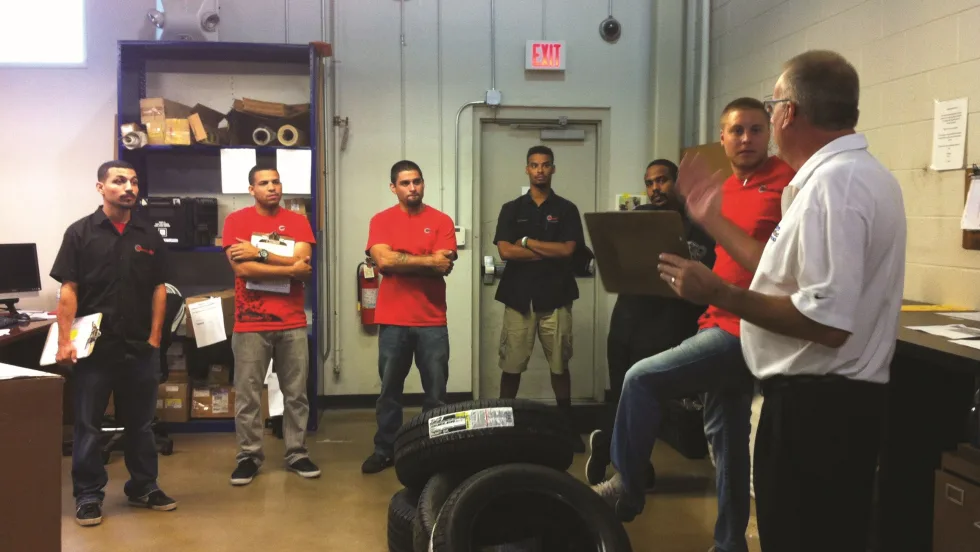
Developing Budget-Friendly Driver Safety Programs
From driver training and safety meetings to one-on-one coaching and incentive programs, several small fleets share how they have developed a safety culture with their drivers using low- to no-cost resources.
Read More →
Boosting Last-Mile Fleet Uptime, Safety, and Value with AI Vehicle Inspections
AI-powered inspections are transforming last-mile fleets by replacing manual checks with highly accurate automated scans that detect defects in seconds. By giving fleet operations visibility into the daily condition of their vehicles, you can identify trends over the vehicle’s lifecycle that enable improved procurement decisions, route management, driver training and accountability.
Read More →

Five Ways Seat Belts Help Prevent Injuries
There are five ways seat belts protect occupants from injuries, according to the Tennessee Department of Safety and Homeland Security.
Read More →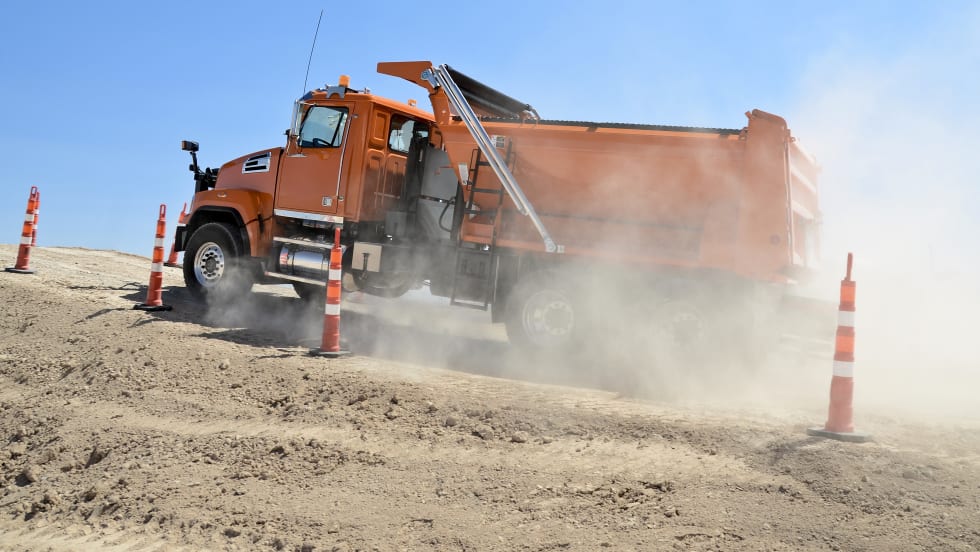
Basic Tracking vs Next Generation Fleet Technology
Fleet software is getting more sophisticated and effective than ever, tying big data models together to transform maintenance, safety, and the value of your existing tech stack. Fleet technology upgrades are undoubtedly an investment, but updated technology can offer a much higher return. Read how upgrading your fleet technology can increase the return on your investment.
Read More →
It’s here: The 2026 Fleet Technology Trends Report
What does AI mean for fleets? Get the answer — and learn other top tech trends.
Read More →
Small Fleets, Big Impact: How Independent Drivers Power Wreaths Across America
Check out how small fleets and independent drivers power Wreaths Across America each December and why their impact matters more than ever.
Read More →
VMS Survey Finds 65% of Small Fleet Managers Run Operations Alone
A new VMS survey shows small fleet managers are stretched thin, with most handling operations solo and eager to adopt digital tools for relief.
Read More →
Tips for Driving Safely on Halloween Night
This video features a reminder from the Connecticut Department of Transportation (DOT) and the Connecticut Police Chiefs Association, urging drivers to prioritize safety this Halloween.
Read More →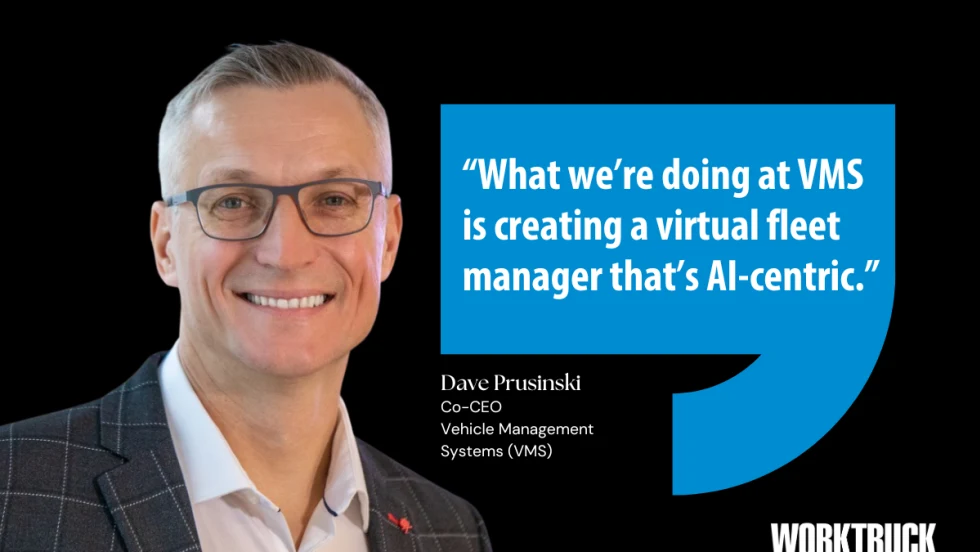
AI, Access, and Uptime: VMS’s Next Chapter with David Prusinski
VMS’s new Co-CEO, David Prusinski, shares how an AI-first approach will give small fleets and repair shops the tools to compete like big players.
Read More →