




GM, Toyota Tops in Initial Quality Study
The Lexus SC 430 was the highest-ranking model for the second consecutive year. GM earned five top model segment awards.
General Motors and Toyota captured 15 of the 18 top model segment awards, according to the J.D. Power and Associates 2005 Initial Quality Study (IQS) released on Wednesday.
In the study, Toyota Motor Corporation earned 10 of the top model segment awards, with the Lexus SC 430 honored as the highest-ranking model for the second consecutive year, at 54 problems per 100 vehicles (PP100). Other Toyota models earning segment awards include the Toyota Prius (Compact Car), Scion tC (Sporty Car) and Toyota RAV4 (Entry SUV).
General Motors earned five top model segment awards, including those for the Chevrolet Malibu/Malibu Maxx (Entry Midsize Car), Buick Century (Premium Midsize Car) and Chevrolet Suburban (Full-Size SUV).
HUMMER improved dramatically, with a 36 percent reduction in reported problems. Since its debut in the 2003 IQS, HUMMER has reduced reported problems by 115 PP100.
Ford Motor Company captured two model awards, with the Ford Explorer Sport Trac (Midsize Pickup) and Ford F-150 LD (Full-Size Pickup) ranking highest in their respective segments.
The Chrysler Group maintained the quality levels of its products. The Chrysler Group's score of 125 was unchanged from last year. Overall DaimlerChrysler vehicle quality (including Mercedes-Benz and smart) improved one point to 122.
Nissan performed dramatically better in the 2005 study, with the Nissan Quest as the most-improved model, recording an impressive 104 PP100 improvement.
Other models showing notable improvements are the Kia Spectra (64 PP100 improvement), the HUMMER H2 (63 PP100 improvement), and the Scion xA (62 PP100 improvement).
Overall, the automotive industry garners only a minor increase in industry-wide initial quality in 2005. After showing an 11 percent quality improvement from 2003 to 2004, the overall industry average has improved only one PP100 in 2005 to 118 PP100.
Among the nine problem categories surveyed, ride/handling/braking and exterior problems continue to cause the greatest challenge to manufacturers. Consumers report that the transmission causes the least number of problems.
IQS is a model-level study. It measures 135 attributes across nine categories, including ride/handling/braking, engine and transmission, and a broad range of quality problems symptoms reported by vehicle owners. Survey results in chart form.
More Small Fleet

Tips for Driving Safely on Halloween Night
This video features a reminder from the Connecticut Department of Transportation (DOT) and the Connecticut Police Chiefs Association, urging drivers to prioritize safety this Halloween.
Read More →
Simple Tire Checks That Help Keep Your Business Fleet Moving
A survey found that nearly one in every 10 passenger vehicles has at least one bald tire. What's more, 27% -- more than one in four -- of vehicles are driven with one or more severely under-inflated tires.
Read More →

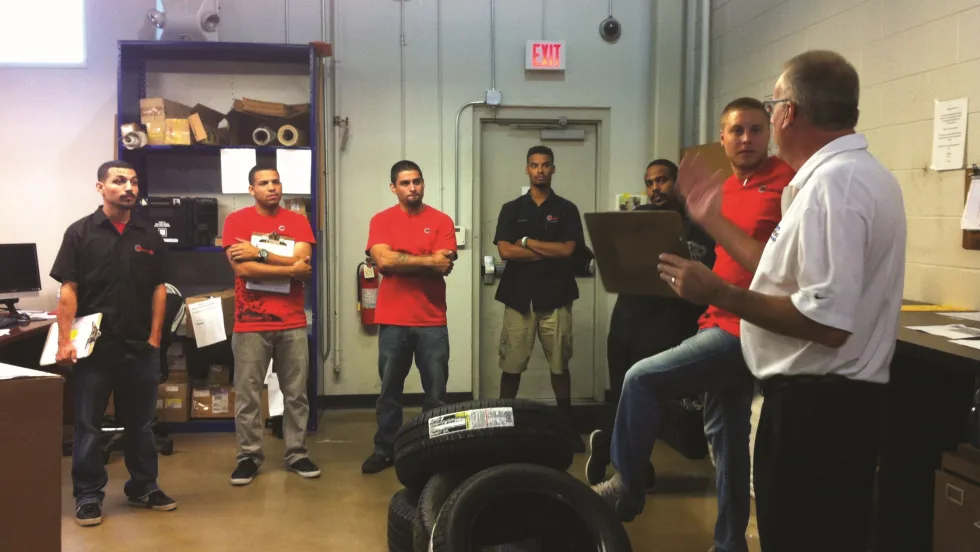
Developing Budget-Friendly Driver Safety Programs
From driver training and safety meetings to one-on-one coaching and incentive programs, several small fleets share how they have developed a safety culture with their drivers using low- to no-cost resources.
Read More →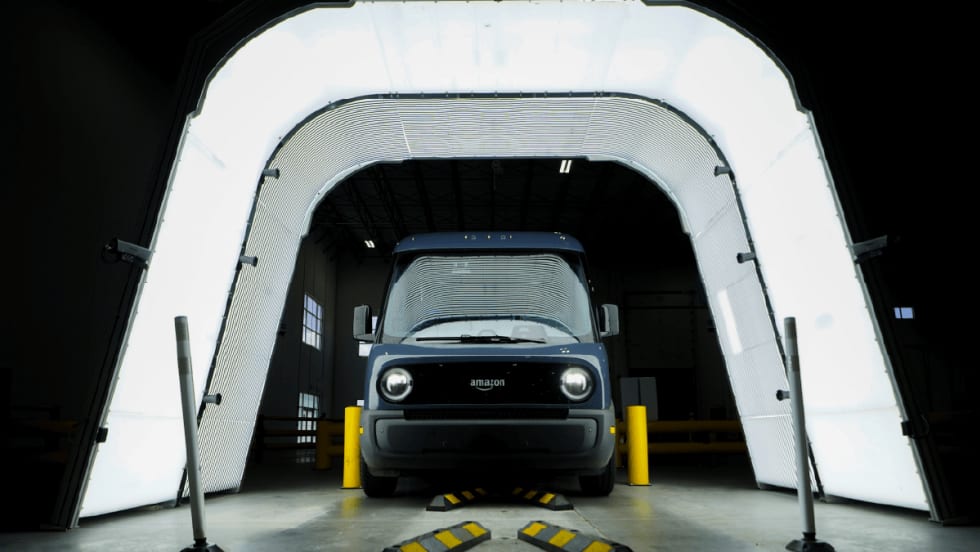
Boosting Last-Mile Fleet Uptime, Safety, and Value with AI Vehicle Inspections
AI-powered inspections are transforming last-mile fleets by replacing manual checks with highly accurate automated scans that detect defects in seconds. By giving fleet operations visibility into the daily condition of their vehicles, you can identify trends over the vehicle’s lifecycle that enable improved procurement decisions, route management, driver training and accountability.
Read More →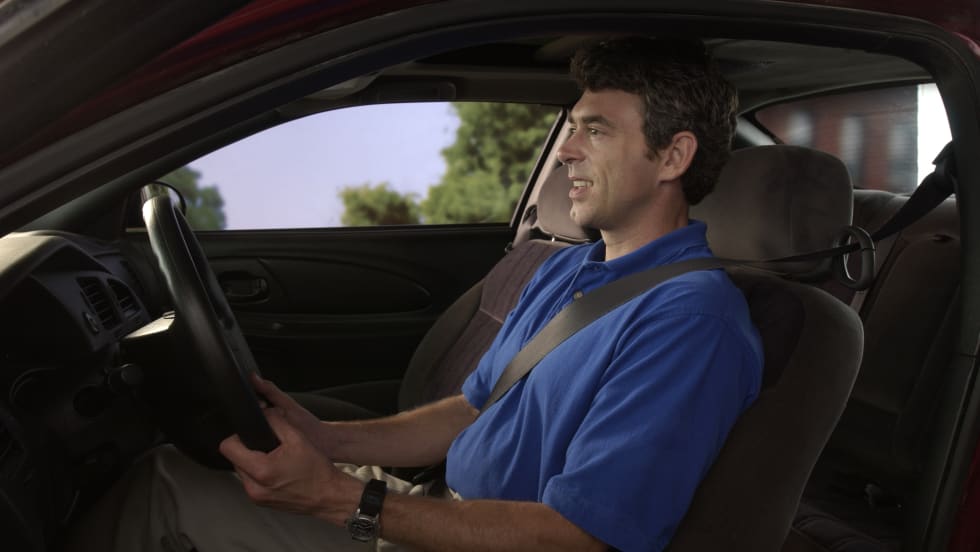
Five Ways Seat Belts Help Prevent Injuries
There are five ways seat belts protect occupants from injuries, according to the Tennessee Department of Safety and Homeland Security.
Read More →
Basic Tracking vs Next Generation Fleet Technology
Fleet software is getting more sophisticated and effective than ever, tying big data models together to transform maintenance, safety, and the value of your existing tech stack. Fleet technology upgrades are undoubtedly an investment, but updated technology can offer a much higher return. Read how upgrading your fleet technology can increase the return on your investment.
Read More →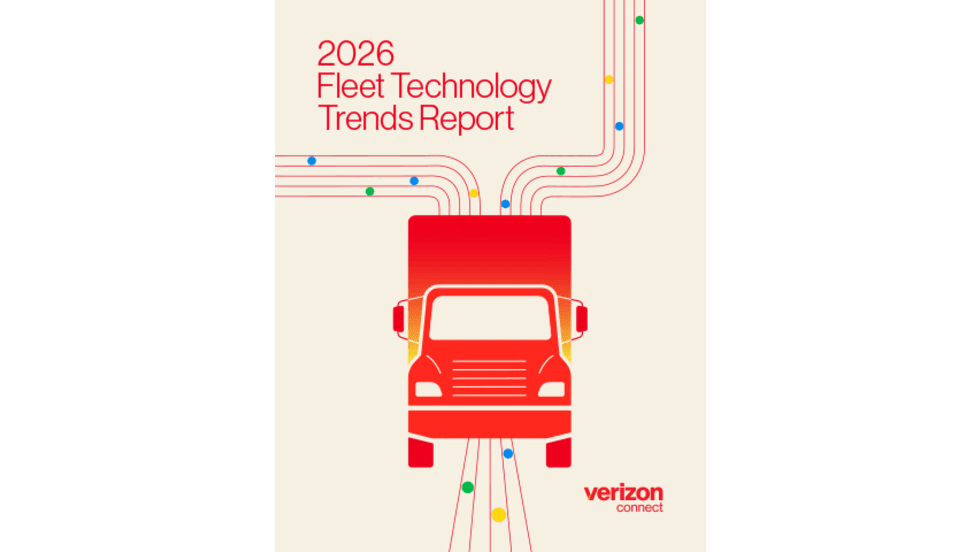
It’s here: The 2026 Fleet Technology Trends Report
What does AI mean for fleets? Get the answer — and learn other top tech trends.
Read More →
Small Fleets, Big Impact: How Independent Drivers Power Wreaths Across America
Check out how small fleets and independent drivers power Wreaths Across America each December and why their impact matters more than ever.
Read More →
VMS Survey Finds 65% of Small Fleet Managers Run Operations Alone
A new VMS survey shows small fleet managers are stretched thin, with most handling operations solo and eager to adopt digital tools for relief.
Read More →