




GM to Upgrade Volt to Protect Battery and Related Coolant System
WARREN, MI – GM stated it conducted four successful crash tests between Dec. 9 and 21 with these structural changes in place.
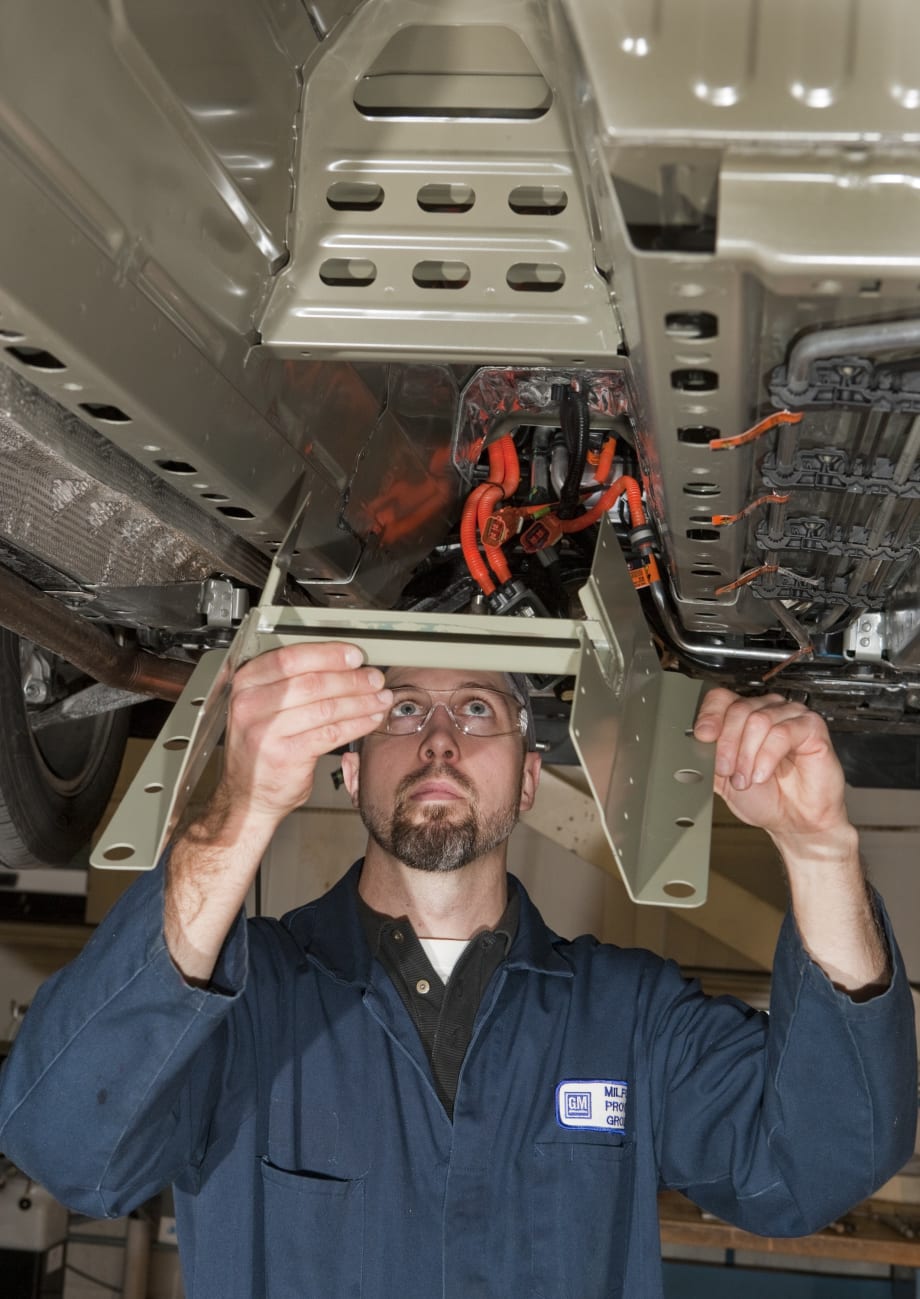
The structural enhancements more evenly distribute crash energy following a severe side impact, according to GM.
The structural enhancements more evenly distribute crash energy following a severe side impact, according to GM.
WARREN, MI – General Motors said it will enhance the Chevrolet Volt’s structure and battery coolant system to further protect the battery from a possible electrical fire occurring days or weeks after a crash. GM said it is adding these enhancements following a National Highway Traffic Safety Administration (NHTSA) “preliminary evaluation” to examine post-crash battery performance.
The modifications include the following measures: First, GM is strengthening an existing portion of the Volt’s vehicle safety structure to further protect the battery pack in a severe side collision. Next, the automaker is adding a sensor in the reservoir of the battery coolant system to monitor coolant levels. Lastly, GM is adding a tamper-resistant bracket to the top of the battery coolant reservoir to help prevent potential coolant overfill.
GM stated it conducted four crash tests between Dec. 9 and 21 of Volts with the structural enhancement, and that the enhancement performed as intended. The battery pack wasn’t damaged via intrusion during the crash tests, and no coolant leakage occurred, according to GM.
The National Highway Traffic Safety Administration (NHTSA) also released a statement on Jan. 5. NHTSA reported that based on testing the Volt, equipped with GM's upgrades, on Dec. 22, 2011, the results also showed no intrusion into the vehicle’s battery compartment and no apparent coolant leakage. NHTSA said that under the observation of GM representatives, and in working with experts from the Department of Energy and the Department of Defense, both battery intrusion and coolant leakage must be present to cause a post-crash fire in the Volt.
The organization said it plans to complete its analysis of the overall research in the next few weeks and make its conclusions public after it closes the investigation.
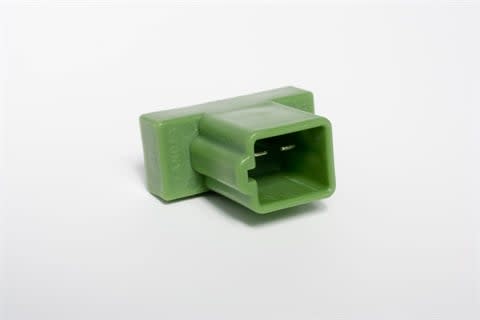
The automaker is also installing a battery-coolant sensor to monitor coolant levels in the battery cooling system.
“The Volt has always been safe to drive. Now, we will go the extra mile to ensure our customers’ peace of mind in the days and weeks following a severe crash,” said Mary Barra, GM senior vice president of Global Product Development. These enhancements and modifications will address the concerns raised by the severe crash tests. There are no changes to the Volt battery pack or cell chemistry as a result of these actions. We have tested the Volt’s battery system for more than 285,000 hours, or 25 years, of operation. We’re as confident as ever that the cell design is among the safest on the market.”
In April 2011, the Volt received top crash test ratings from the Insurance Institute for Highway Safety and was named the North American Car of the Year in 2011 as well.
Article updated at 4:20 pm, 1/5/2011
Originally posted on Automotive Fleet
More Small Fleet


Developing Budget-Friendly Driver Safety Programs
From driver training and safety meetings to one-on-one coaching and incentive programs, several small fleets share how they have developed a safety culture with their drivers using low- to no-cost resources.
Read More →
Boosting Last-Mile Fleet Uptime, Safety, and Value with AI Vehicle Inspections
AI-powered inspections are transforming last-mile fleets by replacing manual checks with highly accurate automated scans that detect defects in seconds. By giving fleet operations visibility into the daily condition of their vehicles, you can identify trends over the vehicle’s lifecycle that enable improved procurement decisions, route management, driver training and accountability.
Read More →
Five Ways Seat Belts Help Prevent Injuries
There are five ways seat belts protect occupants from injuries, according to the Tennessee Department of Safety and Homeland Security.
Read More →
It’s here: The 2026 Fleet Technology Trends Report
What does AI mean for fleets? Get the answer — and learn other top tech trends.
Read More →
Small Fleets, Big Impact: How Independent Drivers Power Wreaths Across America
Check out how small fleets and independent drivers power Wreaths Across America each December and why their impact matters more than ever.
Read More →
VMS Survey Finds 65% of Small Fleet Managers Run Operations Alone
A new VMS survey shows small fleet managers are stretched thin, with most handling operations solo and eager to adopt digital tools for relief.
Read More →
Tips for Driving Safely on Halloween Night
This video features a reminder from the Connecticut Department of Transportation (DOT) and the Connecticut Police Chiefs Association, urging drivers to prioritize safety this Halloween.
Read More →
AI, Access, and Uptime: VMS’s Next Chapter with David Prusinski
VMS’s new Co-CEO, David Prusinski, shares how an AI-first approach will give small fleets and repair shops the tools to compete like big players.
Read More →
Fleet Managers Share Winter Prep Tips: It's Never Too Early!
Three fleets share best practices to prep vehicles for winter and prevent downtime when the cold sets in.
Read More →