




GM to Oppose Efforts to Raise Fuel Economy Standards
General Motors Corp. is opposing efforts to raise federal fuel-economy standards, according to a story by Keith Bradsher in the June 18 edition of The New York Times. The Times reported that GM's chief executive, Rick Wagoner, said on June 15 that the company would oppose not only any move to increase fuel-economy standards for automobiles, but also any effort to tighten the definition under which vehicles are considered light trucks, which qualify for more lenient gas-mileage standards than cars. Wagoner said that federal regulation of automotive fuel economy had been a failure and should be scrapped, not reworked. He argued that Americans don't want fuel-efficient vehicles as long as gasoline prices remain very low in the United States by international standards. The fuel-economy rules are receiving increased attention in Congress because gasoline prices rose during the spring, although they have fallen back slightly the last two weeks and still remain far below the $5 or more a gallon charged in Europe. Automobiles also emit global-warming gases with each gallon of gasoline they burn, so their efficiency has become controversial as President Bush has sought to clarify American policy on global warming. By federal mandate, the average fuel efficiency of all the cars sold by each automaker must be at least 27.5 miles a gallon. But the standard is relaxed to 20.7 miles a gallon for light trucks, a category including minivans, pickup trucks and traditional sport utility vehicles, which are based on pickup truck underbodies instead of car designs. With a shift toward vehicles classified as light trucks, the overall fuel economy of vehicles on the road has fallen to 24.5 miles a gallon, the lowest level since 1980, after peaking at 26.2 miles a gallon in 1987. Advocates of higher fuel efficiency standards point out that these averages are calculated using special rules that allow automakers to add an extra 18 percent to the actual mileage figures that appear on window stickers. Automakers have considerable discretion to decide what is a car and what is a light truck under rules issued in 1977 by the National Highway Traffic Safety Administration (NHTSA), which is part of the Department of Transportation. Joan Claybrook, the president of Public Citizen, a consumer advocacy group founded by Ralph Nader, was the safety agency's administrator when the rules were issued. She said in a telephone interview that when her staff drafted the lengthy definition of a light truck, it was intended for commercial vehicles, not passenger vehicles. It would be politically easier now, according to Claybrook, to narrow the definition of a light truck than to raise the mileage standard for all light trucks to 27.5 miles a gallon, as some in Congress have proposed.
More Small Fleet

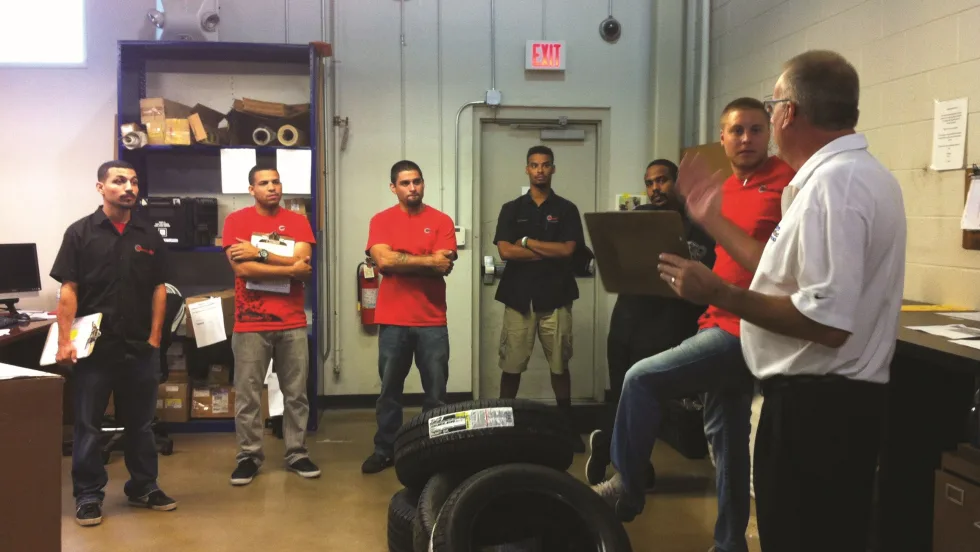
Developing Budget-Friendly Driver Safety Programs
From driver training and safety meetings to one-on-one coaching and incentive programs, several small fleets share how they have developed a safety culture with their drivers using low- to no-cost resources.
Read More →
Boosting Last-Mile Fleet Uptime, Safety, and Value with AI Vehicle Inspections
AI-powered inspections are transforming last-mile fleets by replacing manual checks with highly accurate automated scans that detect defects in seconds. By giving fleet operations visibility into the daily condition of their vehicles, you can identify trends over the vehicle’s lifecycle that enable improved procurement decisions, route management, driver training and accountability.
Read More →

Five Ways Seat Belts Help Prevent Injuries
There are five ways seat belts protect occupants from injuries, according to the Tennessee Department of Safety and Homeland Security.
Read More →
Basic Tracking vs Next Generation Fleet Technology
Fleet software is getting more sophisticated and effective than ever, tying big data models together to transform maintenance, safety, and the value of your existing tech stack. Fleet technology upgrades are undoubtedly an investment, but updated technology can offer a much higher return. Read how upgrading your fleet technology can increase the return on your investment.
Read More →
It’s here: The 2026 Fleet Technology Trends Report
What does AI mean for fleets? Get the answer — and learn other top tech trends.
Read More →
Small Fleets, Big Impact: How Independent Drivers Power Wreaths Across America
Check out how small fleets and independent drivers power Wreaths Across America each December and why their impact matters more than ever.
Read More →
VMS Survey Finds 65% of Small Fleet Managers Run Operations Alone
A new VMS survey shows small fleet managers are stretched thin, with most handling operations solo and eager to adopt digital tools for relief.
Read More →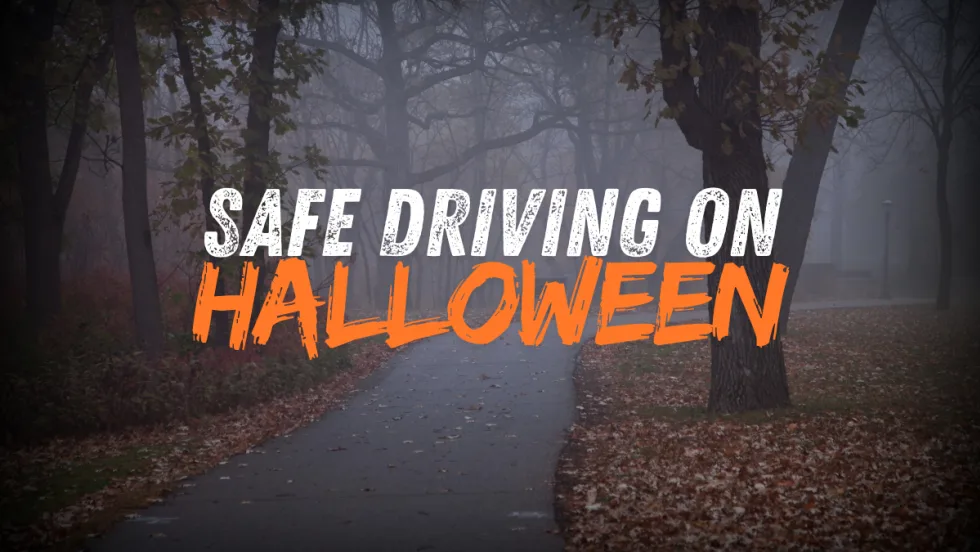
Tips for Driving Safely on Halloween Night
This video features a reminder from the Connecticut Department of Transportation (DOT) and the Connecticut Police Chiefs Association, urging drivers to prioritize safety this Halloween.
Read More →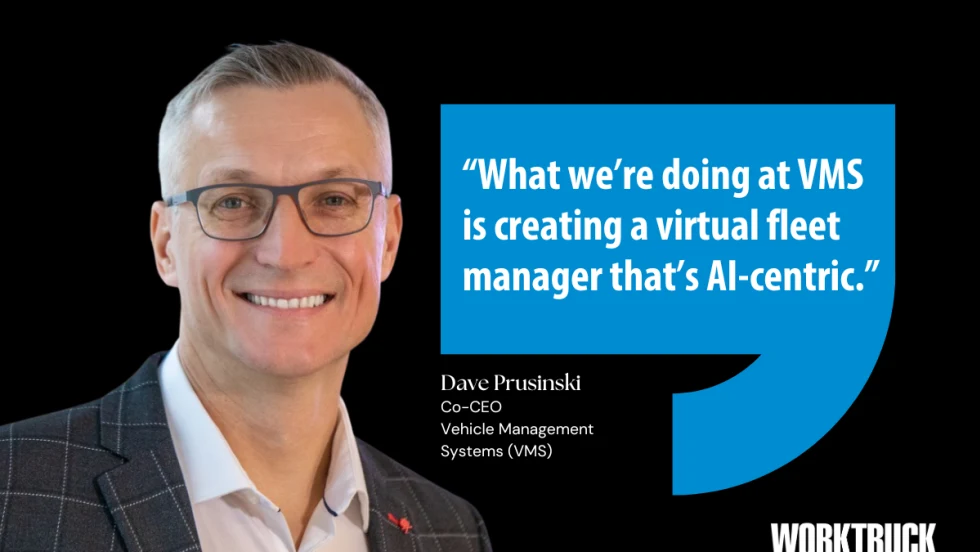
AI, Access, and Uptime: VMS’s Next Chapter with David Prusinski
VMS’s new Co-CEO, David Prusinski, shares how an AI-first approach will give small fleets and repair shops the tools to compete like big players.
Read More →